
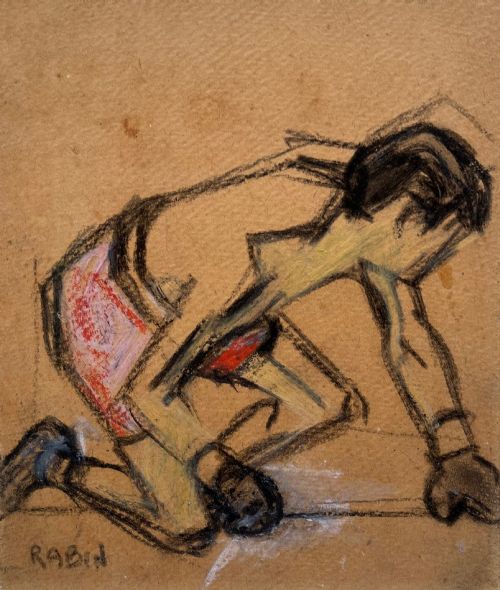
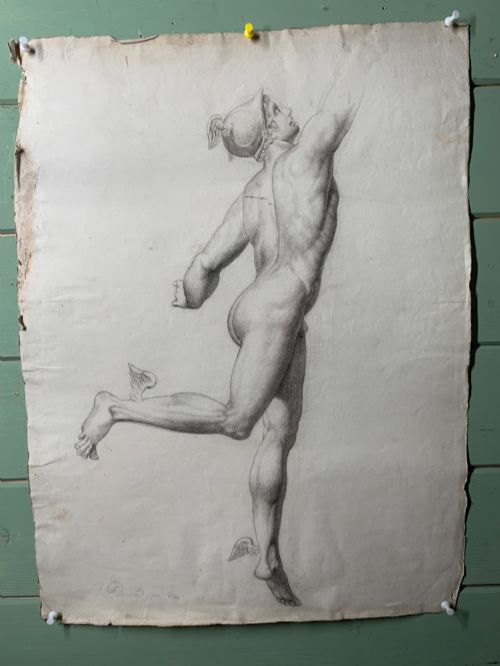
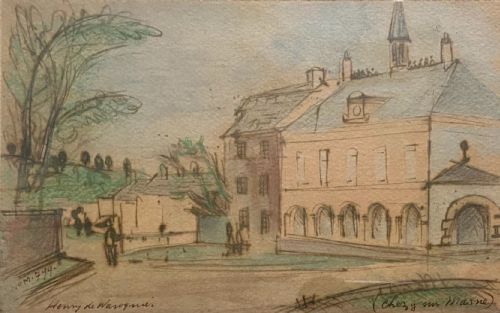
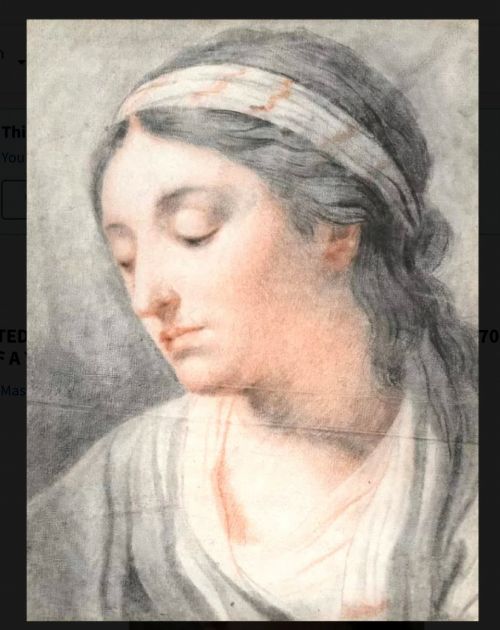




Vintage Figure Drawing Paper
Vintage figure drawing paper preserves the immediacy of the human form through studies rendered by artists across several centuries.
Vintage Figure Drawing Paper
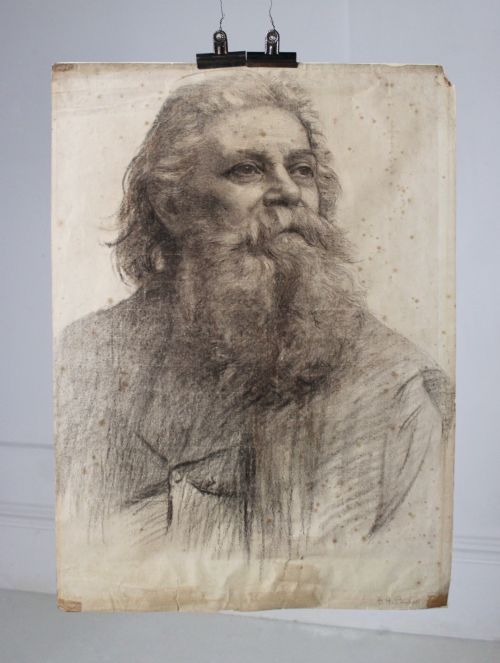
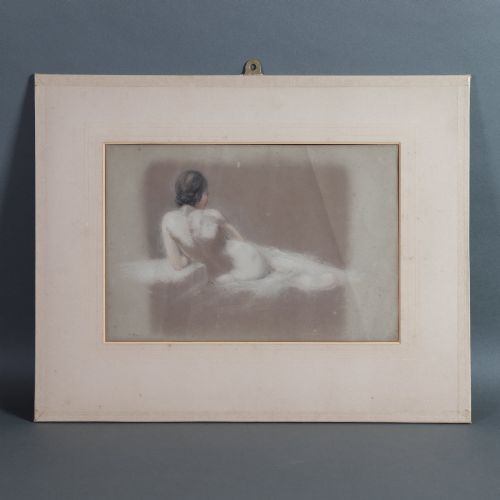
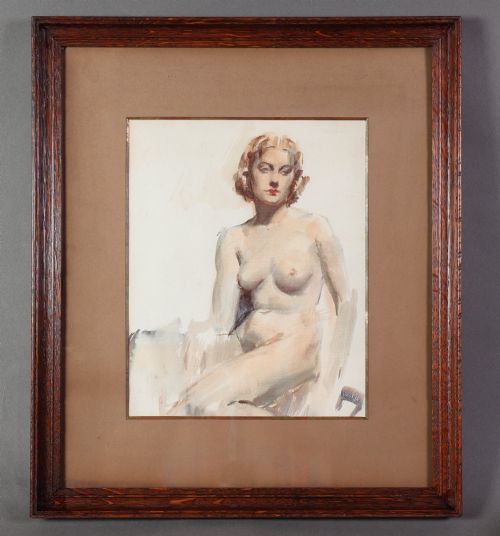
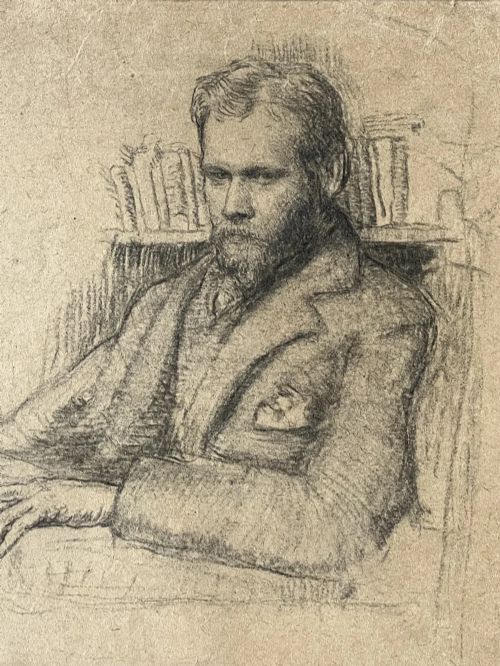
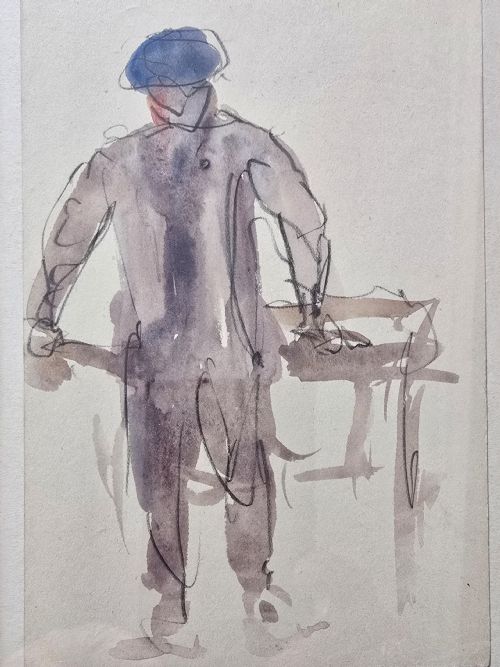
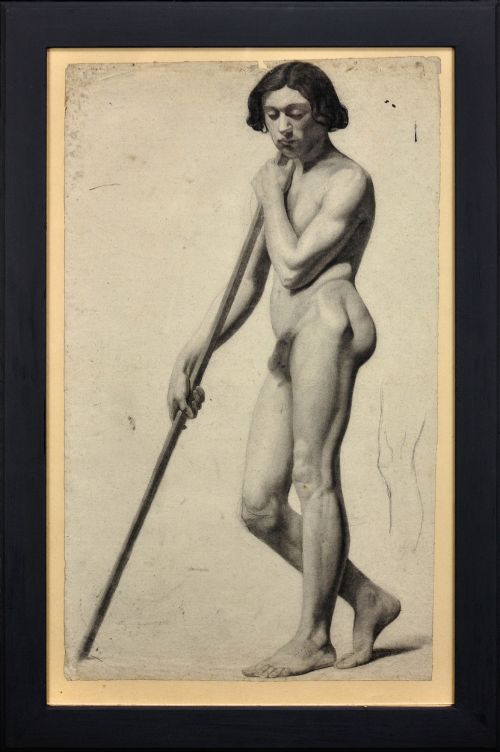
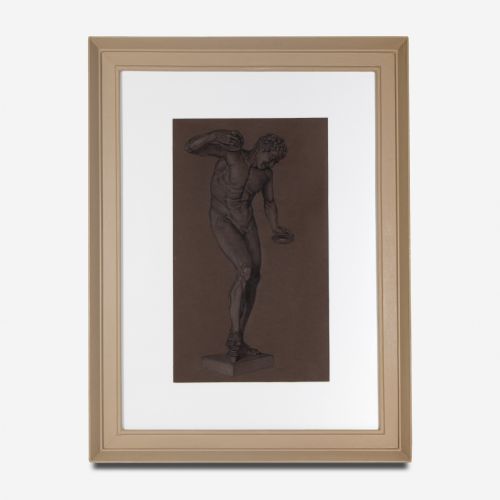
When you examine vintage figure drawing paper on this page, you encounter works spanning from the eighteenth century through the mid-twentieth century. The selection encompasses academic life studies, portraiture, and anatomical sketches created in various European and British schools.
The forms range from loose pencil sketches and charcoal renderings to finished watercolours and mixed media compositions. Framed artwork and original drawings dominate the selection, capturing human figures in repose, motion, or classical pose.
Buyers seeking vintage figure drawing paper will find examples executed in styles ranging from Neoclassical and Romanticism to Academic Realism and Modernist abstraction. These sheets reveal the preparatory thoughts and rigorous training of artists working directly from life.
How they were made
The fundamental support for these works is paper, serving as the receptive surface for dry media such as graphite, charcoal, chalk, and sanguine. Artists frequently combined these elements on a single sheet, utilising crayon alongside ink washes or watercolours to build depth.
The selection includes academic life studies, portraits, and abstract compositions representing British, French, Italian, and Spanish schools.
What varies in quality
Quality in these works rests upon the sureness of the line and the anatomical conviction of the rendering. Superior sheets demonstrate an economy of stroke where the artist captures weight, tension, and structure without hesitation or excessive correction.
The relationship between the subject and the edges of the paper also defines excellence, showing how the composition occupies the sheet. Stronger examples reveal the hand moving with purpose and understanding, whereas lesser studies rely on mechanical copying rather than direct observation.
William Etty·Augustus John·Samuel Rabin·Henry de Waroquier·François-André Vincent·Michael Healy·Henry Arthur Roberts·John Merrifield·Demetrios Galanis·Lucien Freud·Winifred Eugene Ballard·Faeq Hassan·Frank Dobson·Kees van Dongen·Dame Laura Knight
The Vintage Figure Drawing Paper Glossary
- Academic Realism
- A style of painting and drawing produced under the influence of European academies of art, emphasising traditional techniques, anatomical accuracy, and classical subjects.
- Sanguine
- A reddish-brown chalk used in drawing, favoured for capturing warm skin tones and soft flesh contours.
- Deux crayon
- A drawing technique utilising two coloured chalks or pencils, typically black and white or red and black, on tinted paper to create highlights and shadows.
- Mixed media
- An artwork in which more than one medium or material has been employed, such as ink combined with watercolour or charcoal with pastel.
- Life study
- An artwork depicting the nude or clothed human figure drawn directly from a live model in a studio or classroom setting.
Vintage Figure Drawing Paper: Frequently Asked Questions
How should I frame antique drawing paper?
Protect delicate charcoal, graphite, and chalk drawings by using acid-free mount board that keeps the glass from touching the surface of the paper. Frame the work away from direct sunlight to prevent the fading of fugitive pigments and the yellowing of older paper supports.
Choose conservation-grade glazing with UV-filtering properties to preserve the integrity of the media. Professional framing ensures the paper can expand and contract naturally with changes in humidity.
What is an academic life study?
An academic life study is a rigorous drawing or painting of a human model produced as part of an artist's training in a studio or academy. These works prioritize proportion, musculature, and chiaroscuro over finished narrative content.
Students and established artists alike used these sessions to master the complexities of human anatomy and gesture. Consequently, such drawings offer a direct window into the foundational skills of past practitioners.
How do I identify different drawing media?
Graphite leaves a silvery-grey metallic sheen that can reflect light, whereas charcoal produces a deep, velvety matte black with softer edges. Chalk and sanguine provide distinct linear marks that can be smudged or blended for tonal gradations.
Inks and watercolours penetrate the fibres of the paper more permanently than dry media. Close inspection with a magnifier often reveals the distinct texture left by the implement upon the sheet.