



Vintage Fender Seat
A vintage fender seat offers fireside seating and structural hearth protection, bringing period character and practical bench space directly to the chimney breast.
Vintage Fender Seat
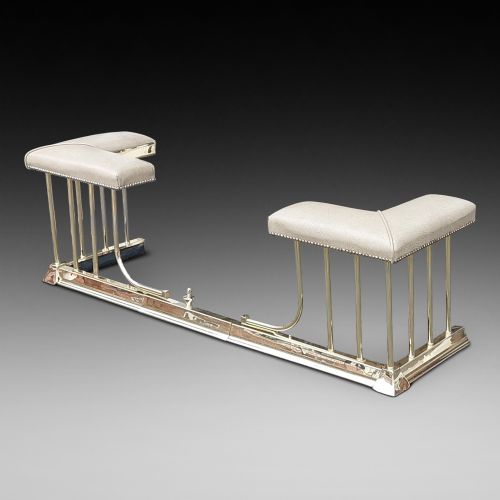
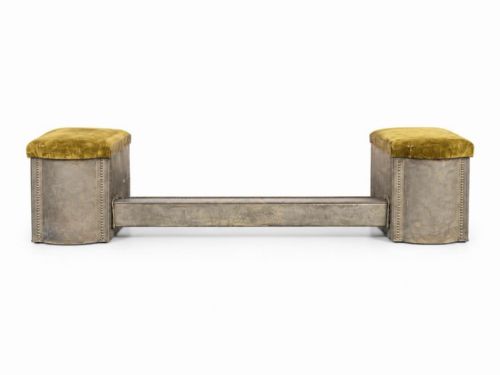
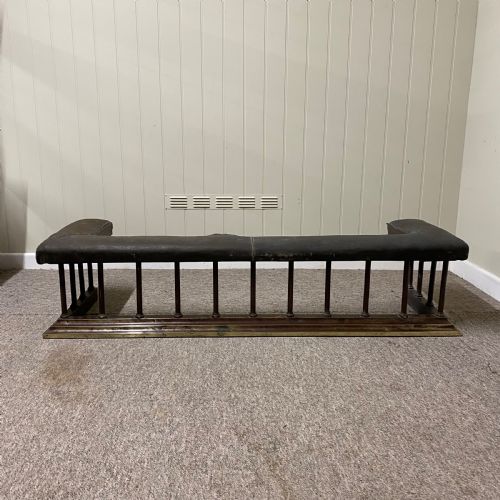
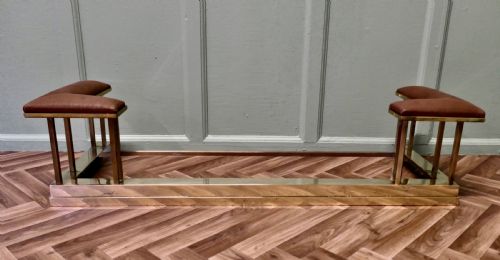
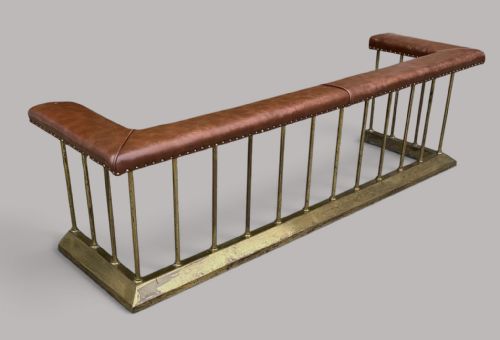
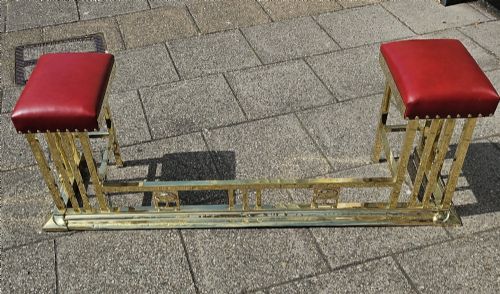
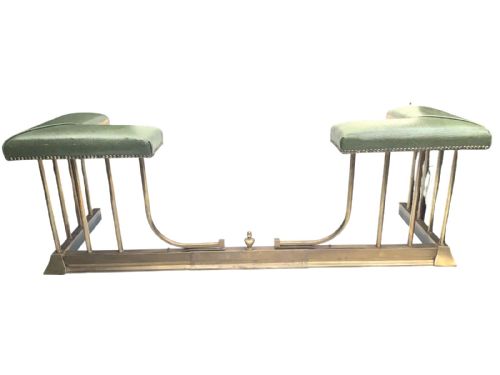
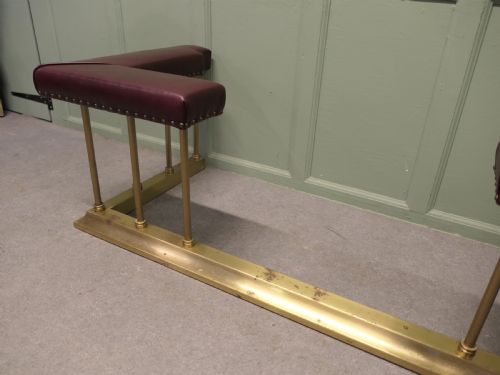
A vintage fender seat sits around the hearth, combining a metal frame with a padded top to create a low fireside bench. These pieces serve both to keep stray embers contained within the grate and to provide comfortable seating close to the warmth of the fire.
The selections available here span the nineteenth century through the early twentieth century, taking in Victorian, Edwardian, and Art Deco design periods. Buyers frequently encounter variations in club fenders, fireplace fenders, and occasional footstools adapted for hearth use.
Materials range from polished brass and wrought iron to solid oak and mahogany, often upholstered in mature tan or green leather. Forms include standard box frames, adjustable widths, and extended benches designed for larger country house fireplaces.
Materials and construction methods
Metal fabrication forms the structural core of these hearth surrounds, utilising heavy cast iron, wrought iron, and polished brass or copper tubing. Artisans joined these metallic components to create sturdy low frames capable of withstanding regular heat exposure and physical weight.
Woodworking traditions appear in oak and mahogany substructures, sometimes featuring hand-carved details or adjustable mechanisms that allowed the frame to fit specific hearth dimensions. Upholstery work utilised durable leathers stretched over padded seats, finished with traditional studding.
Vintage Fender Seat Retail Price Guide 2026
Typical asking prices for vintage fender seat among the pieces listed under this phrase on Sellingantiques today, from the lower quarter to the upper quarter. They describe what is for sale here now, not the wider market.
The listings span multiple periods from the nineteenth century through the 1940s, featuring oak, mahogany, brass, iron, and leather.
Assessing quality in hearth seating
Quality separates pieces by the substantial weight of the metal framework and the integrity of the joinery rather than surface appearance alone. Heavier gauge brass, thick wrought iron, and dense hardwoods indicate superior construction designed for long-term domestic use.
The refinement of the upholstery work and the presence of functional mechanisms, such as adjustable widths or heavy corner balusters, distinguish finer examples. Original leather patination and well-executed metal castings separate standard production items from workshop pieces.
William Birch
The Vintage Fender Seat Glossary
- Club fender
- A low fireside seat built around a metal hearth frame, featuring upholstered top rails for seating. This form became popular in gentlemen's clubs and large country houses.
- Baluster
- A vertical moulded post or pillar supporting the upper rail of a metal fender frame. These members often feature turned brass or cast iron profiles.
- Hearth
- The floor area immediately in front of a fireplace, typically paved in stone or brick. Fender seats are designed to enclose this space.
- Upholstery
- The materials including padding, springs, and leather covering that form the soft seat of the fender. Traditional examples utilise cattle hide secured with metal tacks.
Vintage Fender Seat: Frequently Asked Questions
How do I choose the right size fender seat?
Measure the width and depth of your fireplace hearth precisely before selecting a frame, ensuring adequate clearance around the fire opening.
Consider whether you require a fixed width or an adjustable model to achieve a proper fit against the chimney breast.
Can these seats withstand active daily use?
Most antique fender seats were built from heavy iron, brass, and hardwoods specifically to serve as functional fireside seating.
Heavier gauge metal frames and solid wood substructures provide the structural stability needed for regular sitting.
How do I clean the leather and metal?
Maintain brass and copper components using appropriate metal polishes applied sparingly to preserve the underlying aged finish.
Condition the leather seat pads periodically with specialised balms to prevent drying and cracking from fireplace heat.
How do I identify a Victorian fender seat?
Victorian examples typically display heavy brass construction, substantial proportions, and traditional dark leather upholstery.
Design motifs from this period often emphasise robust metal casting and formal architectural silhouettes.