



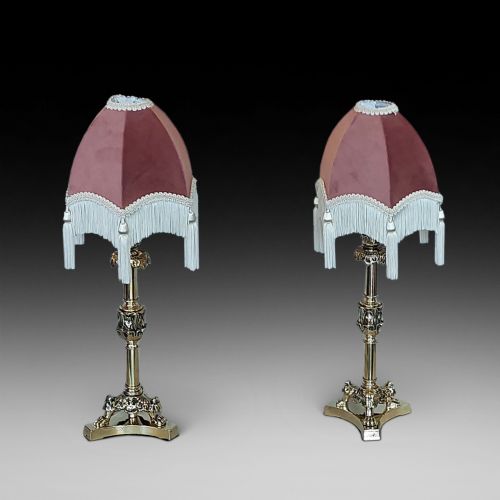


Vintage Fabric Shade Lamp
A vintage fabric shade lamp brings soft, diffused light and period character into a room, making it a favourite for atmospheric interiors.
Vintage Fabric Shade Lamp
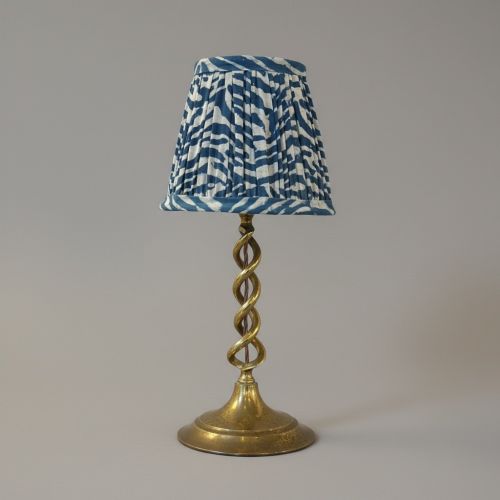
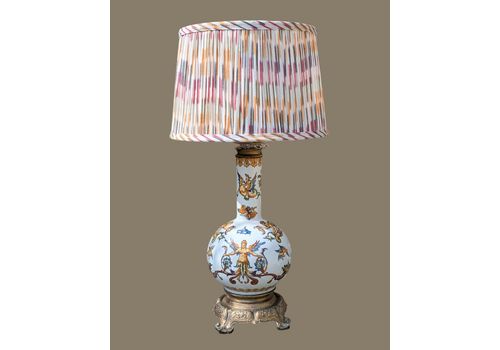
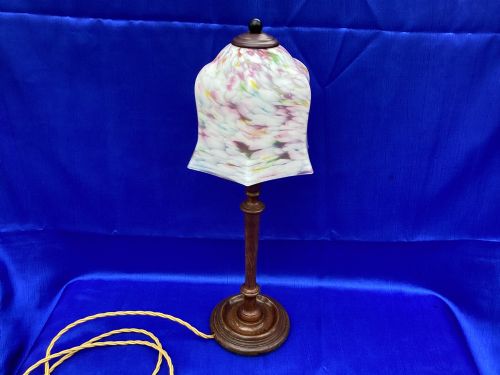
A vintage fabric shade lamp is a lighting fixture designed to sit on tables or stand directly on the floor, combining a sturdy base with a textile shade. When people search for a vintage fabric shade lamp, they encounter examples spanning from the Victorian and Edwardian eras through to the 1930s, including styles like Art Nouveau, Art Deco and Neoclassical Revival.
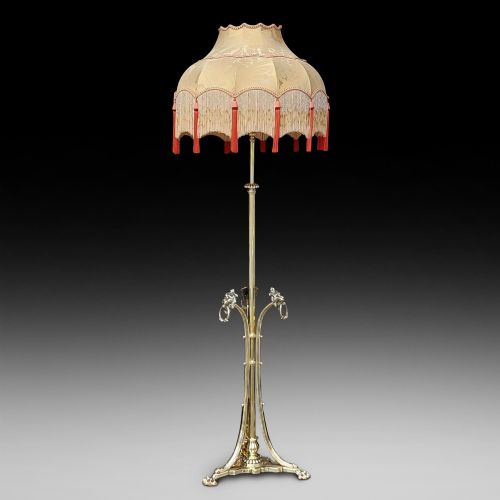
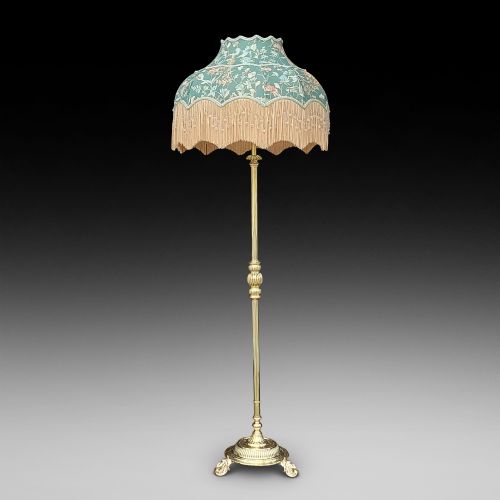
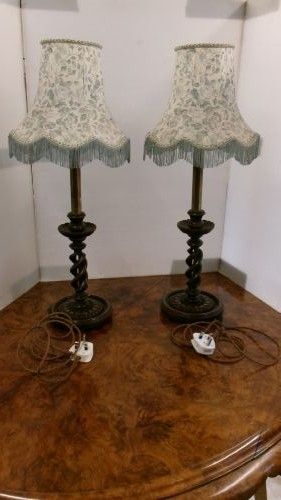
The selections available here showcase a variety of lighting forms, with table lamps and tall standard or floor lamps making up the bulk of the group. Many of these pieces began life as oil lamps or candlesticks before conversion to electricity, retaining their original proportions and heavy metal or wooden structures.
Origins stretch across British, French, and continental workshops, incorporating materials from the 19th Century up through the interwar decades. Buyers will find that standard lamps dominate the taller options, while smaller forms suit side tables and desks.
How they were made
The construction of these lamps relies heavily on cast and turned metals, primarily brass, alongside carved timbers such as oak, mahogany and walnut. Makers utilised heavy bases of bronze, spelter, marble and silver plate to ensure stability, particularly for tall standard lamps that carried substantial shades.
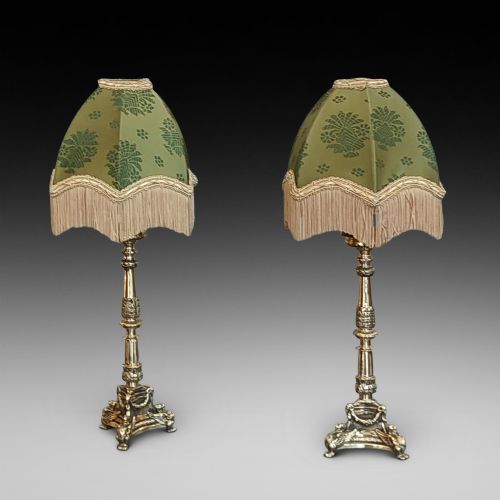
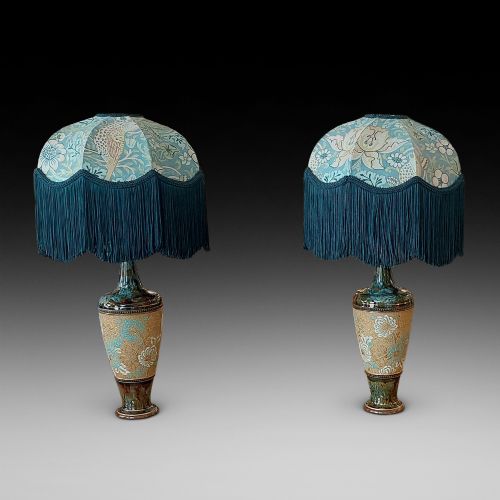
Textile shades incorporate traditional soft-furnishing techniques, pairing fabrics like silk with decorative additions such as fringe and glass beads to temper the glare of early electric bulbs or oil flames. Woodworking methods range from simple turned columns to intricate fretwork and giltwood carving.
Vintage Fabric Shade Lamp Retail Price Guide 2026
Typical asking prices for vintage fabric shade lamp among the pieces listed under this phrase on Sellingantiques today, from the lower quarter to the upper quarter. They describe what is for sale here now, not the wider market.
Several heavy brass columns once burned oil before trading their wicks for copper wire.
What varies in quality
Quality in these lighting pieces rests on the weight and finish of the materials, separating mass-produced items from finely detailed examples with cast decorative mounts like rams heads or classical columns. The integrity of the structure, whether a tightly turned wooden column or a heavy Corinthian brass casting, dictates how well the piece holds its form over decades.
The sophistication of the decorative work, from patinated copper to intricate fretwork and applied gilding, determines the distinction between standard domestic utility pieces and high-end design objects from periods like the Amsterdam School.
The Vintage Fabric Shade Lamp Glossary
- Standard lamp
- A tall floor-standing lamp designed to provide ambient room illumination. These pieces often feature heavy weighted bases to support extended shafts.
- Spelter
- An alloy of zinc used as a cheaper substitute for bronze. Makers cast it into figures and decorative bases before painting or plating the surface.
- Amsterdam School
- An architectural and design movement from the early 20th century known for expressive brickwork, organic forms and distinctive woodwork. Pieces from this tradition often feature patinated metals and complex wooden joinery.
- Corinthian column
- A classical architectural column style featuring ornate capitals decorated with acanthus leaves. Many metal table lamps from the Edwardian period mimic this ancient form.
- Fringe
- A border of hanging threads or tassels attached to the edge of a lampshade. This textile detail softens the transition of light and adds period texture.
Vintage Fabric Shade Lamp: Frequently Asked Questions
How do I choose between a table lamp and a floor lamp?
Table lamps suit side tables, desks and sideboards where they provide localized task or accent lighting. They rely on nearby furniture height to sit comfortably in a room.
Floor lamps, often called standard lamps, stand directly on the floor to fill dark corners or anchor seating areas. Their height allows them to distribute light across a wider space without needing a supporting surface.
What periods do these lamps come from?
The pieces span from the 19th Century and Victorian eras through the Edwardian period into the 1930s. Each era brings distinct stylistic touches, from ornate classical revival columns to clean Art Deco lines.
Design influences range from continental Art Nouveau and Amsterdam School craftsmanship to traditional British and French domestic forms.
Were these lamps originally electric?
Many older examples started as oil lamps, candlesticks or gas fittings before being converted to use electricity. This repurposing is common among metal and wooden pieces from the 1900s and earlier.
Later pieces from the 1920s and 1930s were frequently manufactured directly as electric light fittings.
How do I clean a vintage fabric shade?
Dust fabric shades gently using a soft brush or a low-suction vacuum attachment to protect delicate textiles, silk and attached trims. Avoid harsh chemical cleaners or water immersion, which can damage aged glues and fabrics.
Beaded and fringed elements require particular care to prevent tangling or pulling the threads loose from the shade frame.