


Vintage Embroidered Silk Art
Vintage embroidered silk art brings together centuries of hand-worked textile traditions, offering richly textured wall hangings and needlework pictures for interior display.
Vintage Embroidered Silk Art
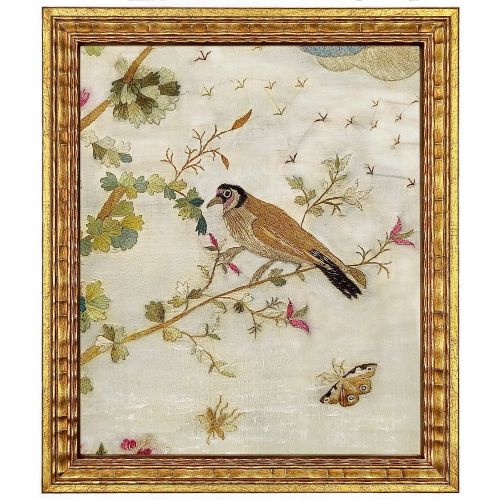
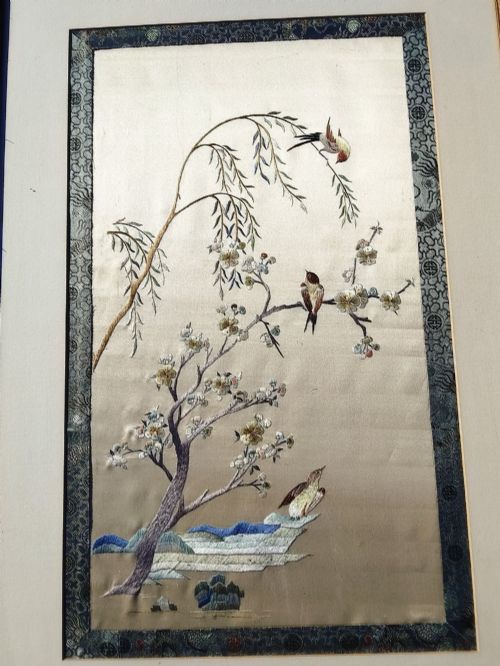
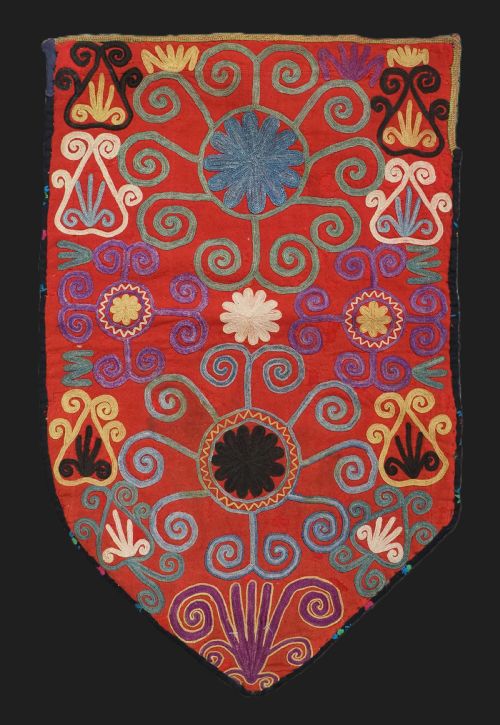
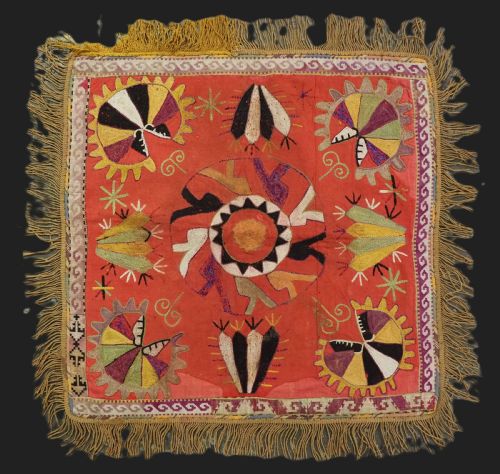
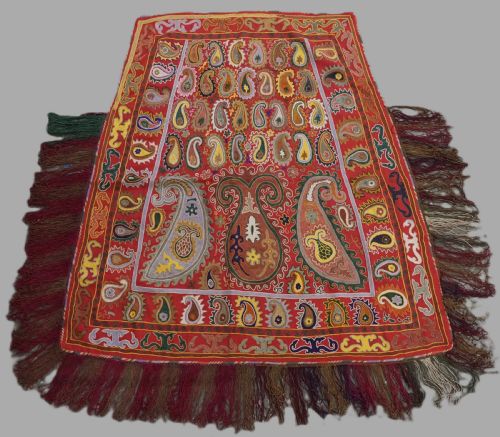
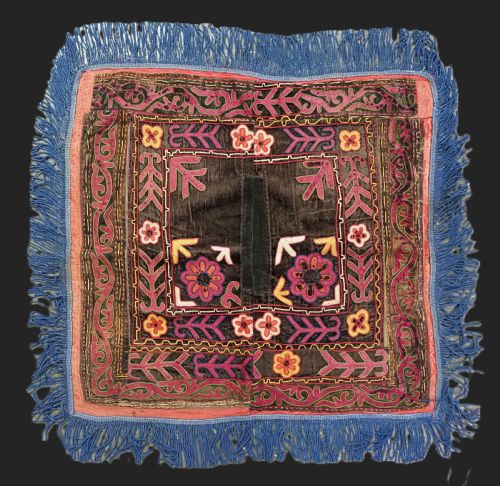
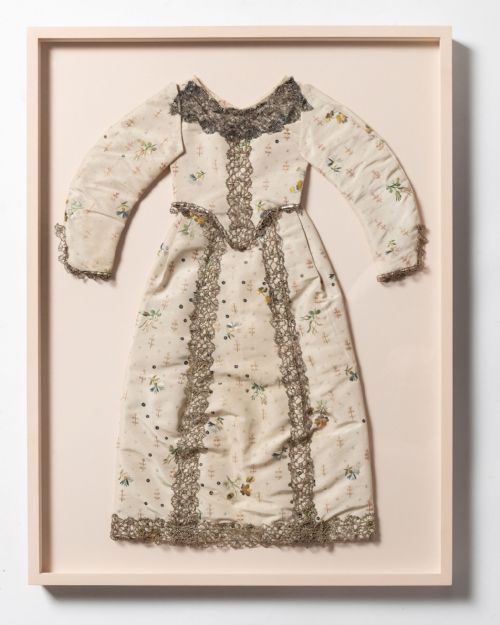
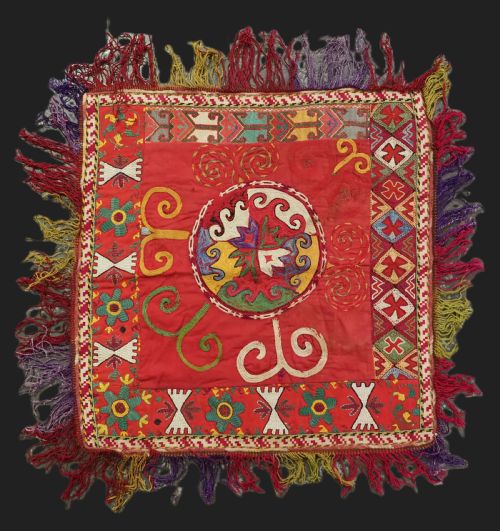
Buyers seeking vintage embroidered silk art encounter a diverse selection of needlework, ranging from Central Asian tribal wall hangings to framed English samplers and Chinese silk panels. The most prevalent pieces on this page are Central Asian Suzanis and Lakai tribe dowry embroideries, alongside 19th-century needlework pictures and ceremonial textiles.
Originating from regions including Uzbekistan, India, China, and Europe, these works serve primarily as decorative wall art, hangings, and framed textile pieces. Many items function as traditional domestic furnishings, such as yurt wall hangings, horse covers, and ceremonial coats adapted for display.
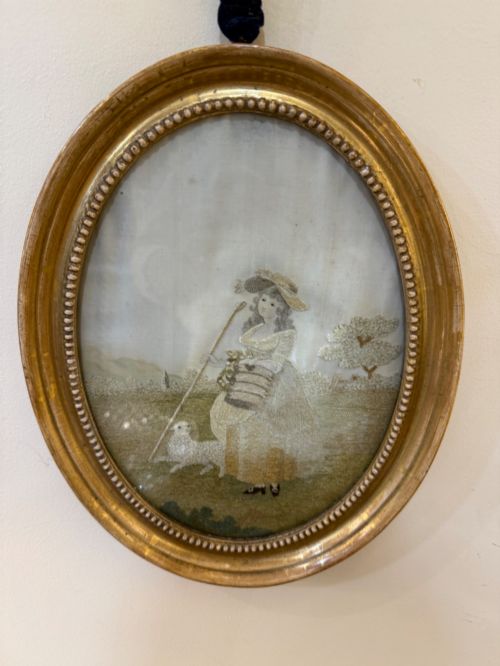
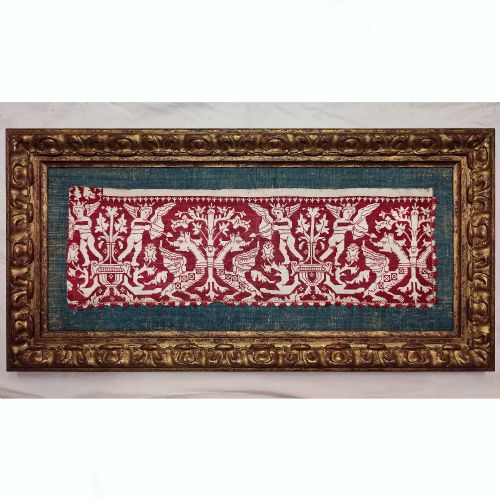
The assortment spans multiple centuries, with numerous examples dating from the 19th century and around 1900, alongside earlier Georgian and 17th-century needlework fragments. Each piece reflects the specific regional stitchwork and design vocabulary of its maker, from floral Suzani motifs to tribal geometric patterns.
Materials and construction methods
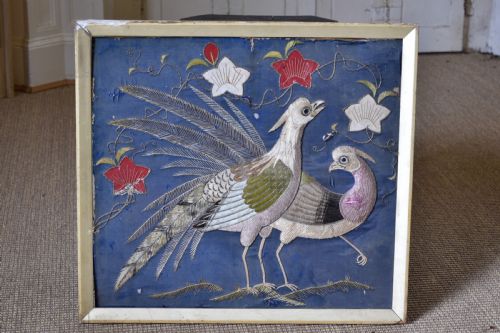
These textiles rely predominantly on silk threads worked onto foundational grounds of silk, cotton, linen, or wool, frequently mounted within wooden or gilt frames. Artisans utilised specialised needlework techniques, applying metallic thread and velvet accents to build complex pictorial and geometric surfaces.
Regional workshops and nomadic groups employed distinct methods, such as the dense chain-stitching seen in Central Asian Suzanis or the fine counted threads of English samplers. Ground fabrics varied from hand-woven red or black cotton to robust linen, supporting intricate needle-painted designs.
Vintage Embroidered Silk Art Retail Price Guide 2026
Typical asking prices for vintage embroidered silk art among the pieces listed under this phrase on Sellingantiques today, from the lower quarter to the upper quarter. They describe what is for sale here now, not the wider market.
Listings feature textiles spanning the 17th, 18th, 19th, and early 20th centuries, utilising silk, cotton, wool, linen, and metallic thread.
Distinctions in quality and execution
The standard of vintage embroidered silk art is defined by the density of the stitching, the intricacy of the design, and the preservation of the ground fabric. Superior examples display tight, precise needlework and vibrant, harmonious colour palettes that remain intact across the entire textile surface.
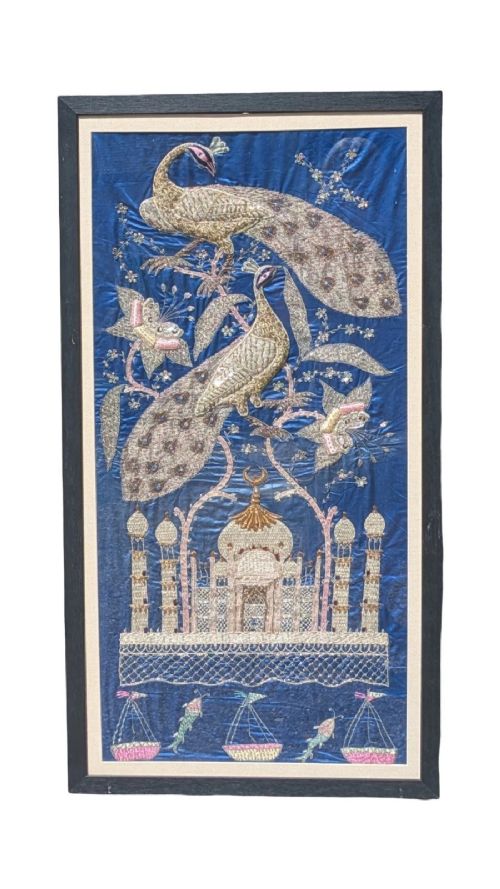
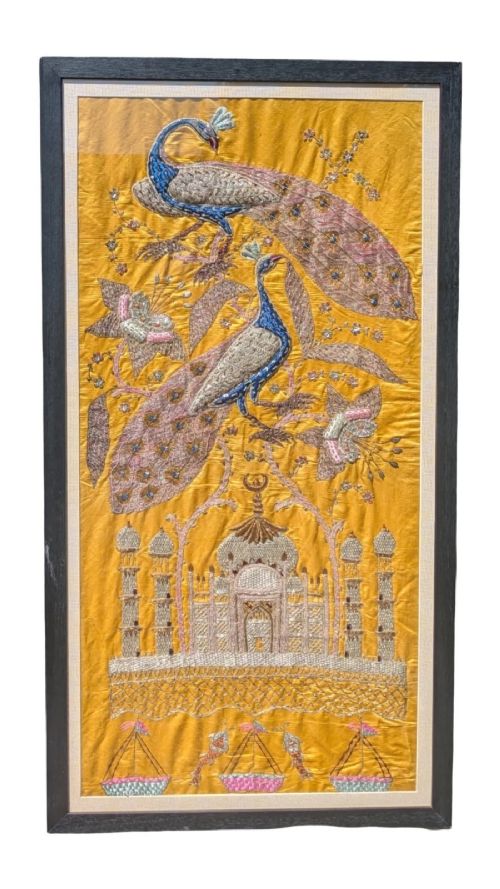
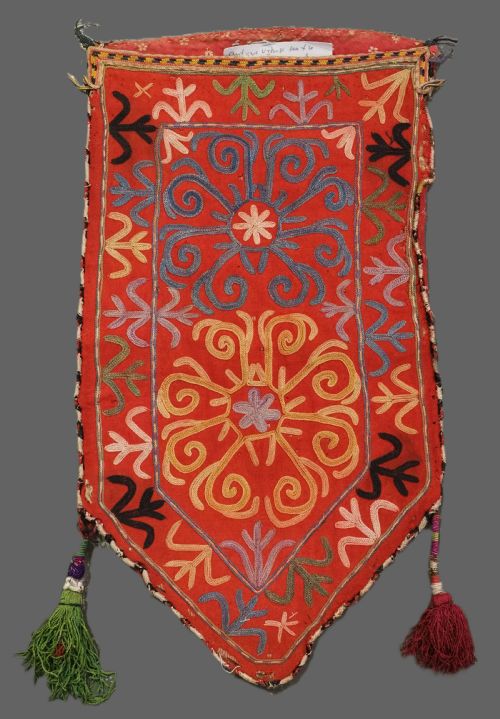
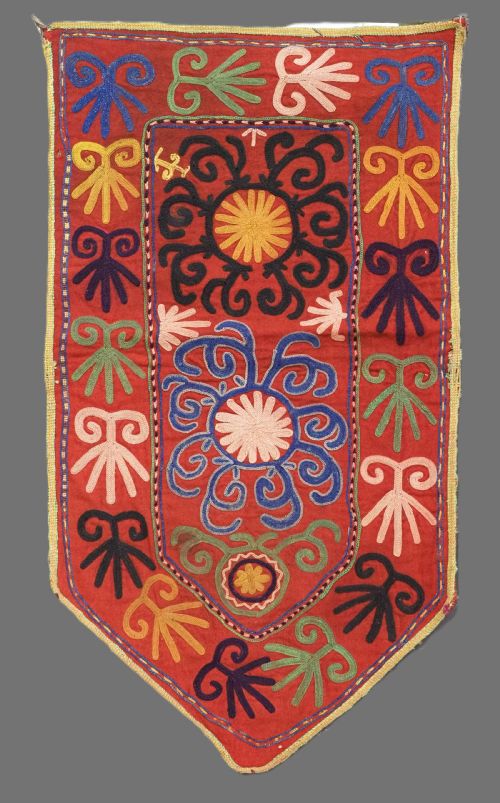
Execution varies between finely detailed professional workshop output, such as Chinese silk table screens and Indian Taj Mahal panels, and expressive tribal dowry pieces like Lakai ilgiches. Completeness of the textile, structural integrity of the base material, and the complexity of the original pattern elevate individual pieces within the range.
The Vintage Embroidered Silk Art Glossary
- Suzani
- A large, embroidered tribal wall hanging originating from Central Asia, typically worked in silk on a cotton or linen ground with floral motifs.
- Ilgich
- A specific type of Central Asian tribal embroidery, often created as dowry pieces by the Lakai people for wall display.
- Sampler
- A piece of needlework demonstrating various stitches and patterns, historically worked by individuals to practise or showcase technical skill.
- Crewel work
- A traditional form of surface embroidery utilising wool or silk yarn on a sturdy fabric ground, often featuring scrolling floral designs.
- Chyrpy
- A traditional ladies ceremonial coat from Turkmenistan, heavily embroidered with silk thread across a distinctive geometric layout.
Vintage Embroidered Silk Art: Frequently Asked Questions
What is a Suzani?
A Suzani is a large decorative tribal wall hanging originating from Central Asia, traditionally worked by hand with silk threads on a cotton or linen ground.
These textiles feature bold floral designs and were historically created as part of a bride's dowry before being repurposed as interior wall art.
How do I care for silk art?
Silk embroideries require careful placement away from direct sunlight to prevent the natural fibres and dyed threads from fading over time.
Mounting pieces behind protective glass within professional framing helps shield fragile textiles from dust, atmospheric moisture, and handling.
How can I tell the period?
Dating vintage embroidered art involves examining the type of ground fabric, the characteristics of the silk threads, and the regional stitch style.
Natural dyes, hand-spun base materials, and traditional tribal motifs typically indicate older 19th-century or earlier origins compared to later reproductions.