






Vintage Elm Coffee Table
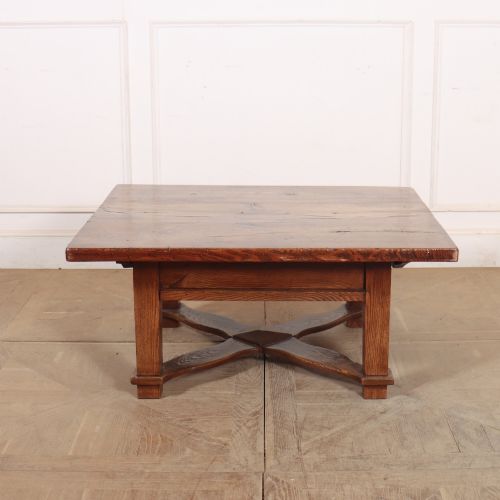
A vintage elm coffee table brings tactile warmth and heavy timber grain into a room, offering low-level utility grounded in centuries of practical craft.
Vintage Elm Coffee Table
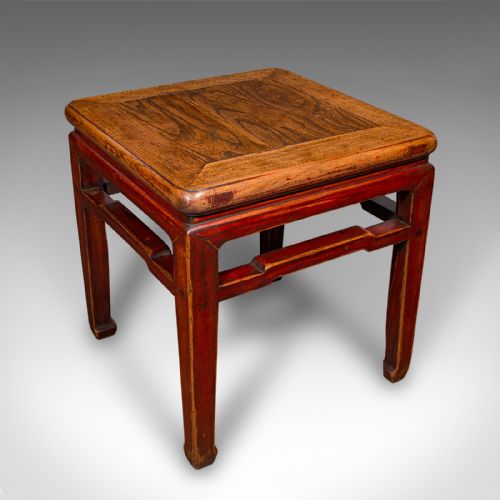
A vintage elm coffee table spans centuries of utilitarian design, taking the form of low tables, converted dough bins, modified trunks, and rustic trestles adapted for modern living. You encounter regional European pieces alongside Asian examples from Chinese regional workshops and the Japanese Meiji period, reflecting diverse domestic traditions.
The domestic selection on this page leans heavily toward nineteenth-century European country furniture and Asian low tables, utilising sturdy timbers originally built for hard daily work. These surfaces carry the dents, marks, and patination of genuine age rather than manufactured distress.
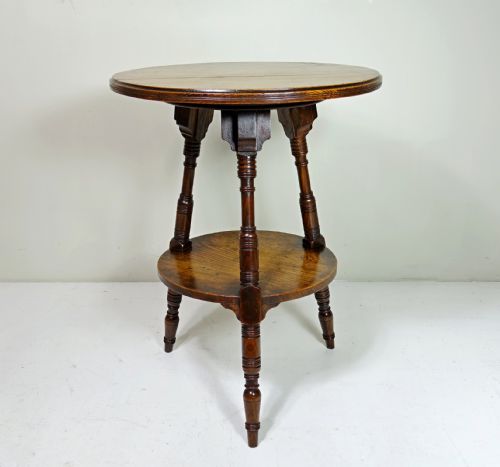
Forms range from simple three-legged cricket tables and low tea tables to substantial French scrubbed trestles and Chinese regional low tables. Each piece serves as a focal point for a sitting space while retaining the honest proportions of its original function.
Materials and construction methods
Elm timber forms the primary structure of these tables, valued for its interlocking grain and resistance to splitting under heavy use. Sycamore, birch veneer, and lacquer appear alongside the core elm, while wrought iron provides structural hardware such as hasps and carrying hoops on box forms.
Makers utilised traditional joinery suited to the tough nature of elm, combining solid plank tops with pegged frames, trestle supports, or turned legs. Scrubbed finishes leave the bare timber exposed, displaying the natural figure of the wood without heavy varnishes.
Vintage Elm Coffee Table Retail Price Guide 2026
Typical asking prices for vintage elm coffee table among the pieces listed under this phrase on Sellingantiques today, from the lower quarter to the upper quarter. They describe what is for sale here now, not the wider market.
A French cannonball box with iron hasps and carrying hoops finds a second life here as a low table, proving that sturdy military transport makes an excellent footrest.
Distinctions in quality and execution
Quality rests in the integrity of the timber selection and the restraint of any subsequent adaptation from taller furniture into a low table format. Tables retaining their original proportions and uncompromised structural joints stand apart from those heavily altered or hastily cut down.
The depth of the natural patination on the elm surface dictates the visual appeal, separating pieces with honest, undisturbed wear from those stripped aggressively down to bare wood. Superior craftsmanship shows in the tight fit of the joinery and the harmonious balance between top boards and supporting legs.
The Vintage Elm Coffee Table Glossary
- Patina
- The surface sheen and colour developed over decades of handling, cleaning, and exposure to light. It serves as a visual indicator of genuine age.
- Dough bin
- A deep wooden container with a lid, historically used for bread making, which is often repurposed as a low table base. These retain utilitarian hardware and heavy timber construction.
- Trestle table
- A table comprising two or more supports connected by a horizontal beam, holding a loose or fixed top. This form provides exceptional legroom and stability.
- Cricket table
- A small, lightweight three-legged table originating in Britain and Europe, designed for uneven floors. The three-legged format ensures the table remains steady without rocking.
- Meiji
- A Japanese historical period spanning from eighteen sixty-eight to nineteen twelve, associated in these listings with traditional low tea tables and compact furniture forms.
Vintage Elm Coffee Table: Frequently Asked Questions
How do I clean an antique elm table?
Dust the surface regularly with a dry, soft cloth to prevent grit accumulation in the grain. Apply a neutral beeswax sparingly when the timber appears dry, buffing it gently to maintain the natural finish without creating a glossy shine.
Avoid placing these tables near direct heat sources or strong sunlight, which can cause the solid elm boards to dry out and split. Use coasters to protect scrubbed or polished timber from moisture rings.
Can I use these low tables daily?
Elm is a tough, durable wood traditionally chosen for heavy domestic tasks, making these pieces well-suited for everyday living. Their sturdy construction handles the usual demands of a sitting room environment.
Keep in mind that many pieces began life as utilitarian containers, work benches, or tea tables, so their heights and dimensions vary. Check the specific measurements to ensure the surface matches your seating arrangement.
How do I identify the period of an elm table?
Dating relies on examining the tool marks, construction methods, and hardware integration rather than relying on uniform factory standards. Hand-sawn boards, forged iron nails, and pegged joinery point toward nineteenth-century or earlier craftsmanship.
Regional styles also offer clues, from French country scrubbed finishes to Asian low table proportions and Meiji era joinery details. Comparing the timber movement and wear patterns helps confirm the age of the piece.
Why are some elm tables scrubbed?
Scrubbing describes the historical process of vigorously cleaning kitchen and work tables with water and stiff brushes to maintain a hygienic surface. This treatment removes old finishes and ingrained dirt, leaving the pale elm and sycamore timber with a clean, matte texture.
Many antique tables found today retain this raw, scrubbed appearance because it highlights the natural grain and suits contemporary interior styles. It reflects the working history of the furniture rather than a modern intervention.