





Vintage Easel Back Frame
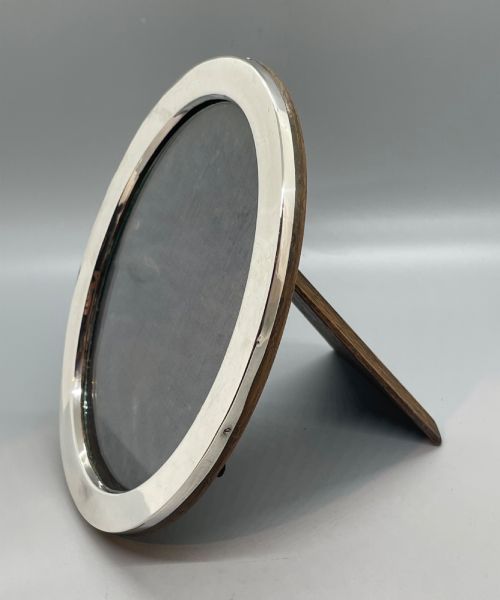
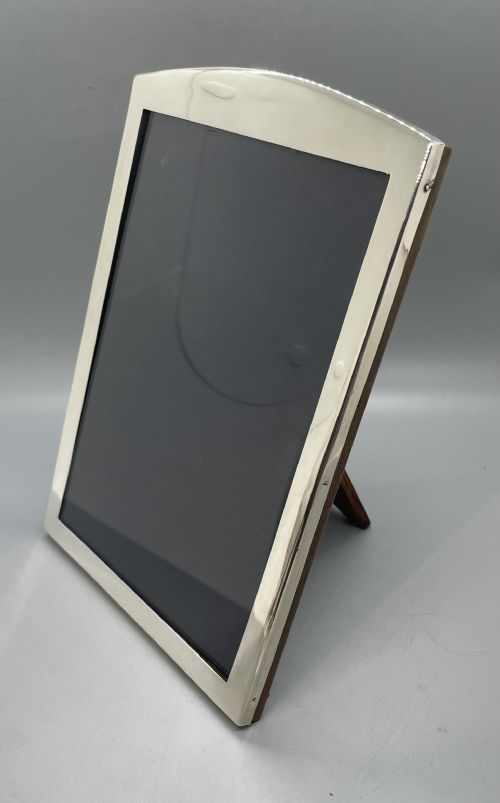
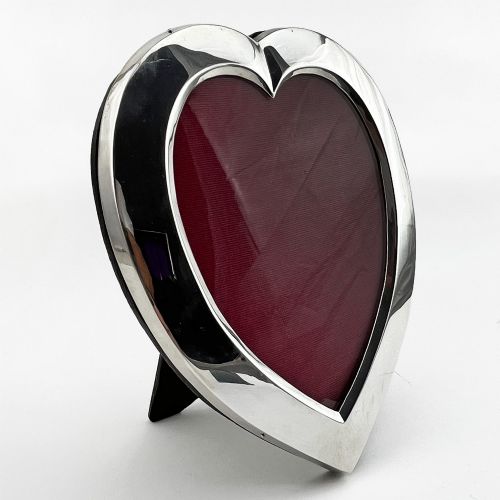
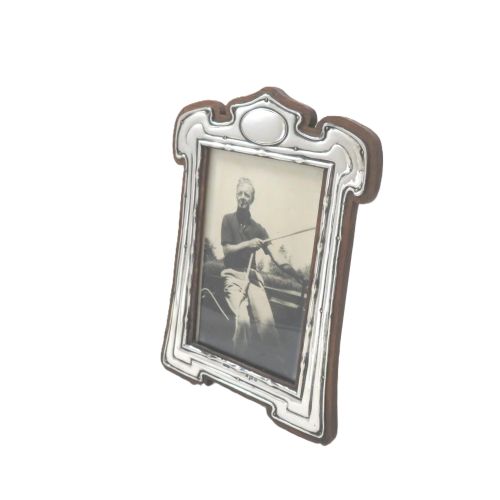
A vintage easel back frame offers a dependable way to display photographs or mirrors on a tabletop using a hinged support.
Vintage Easel Back Frame
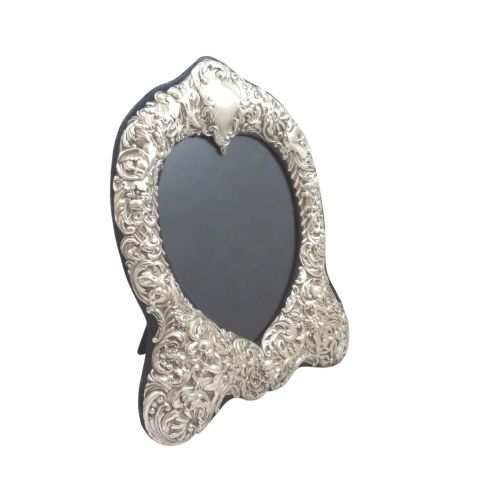
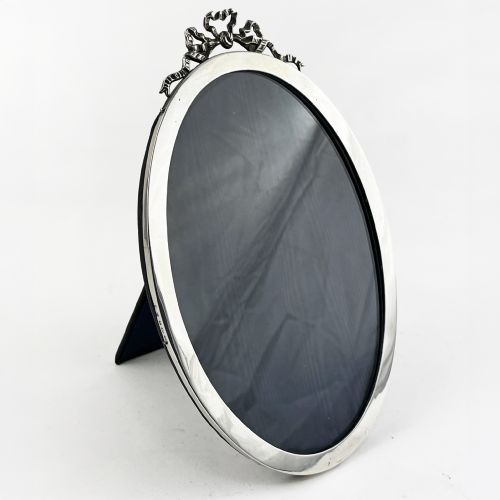
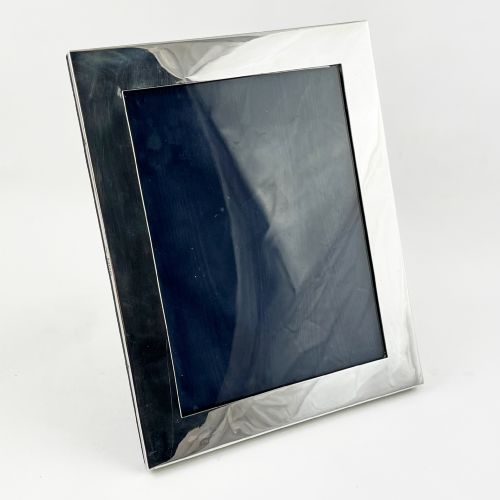
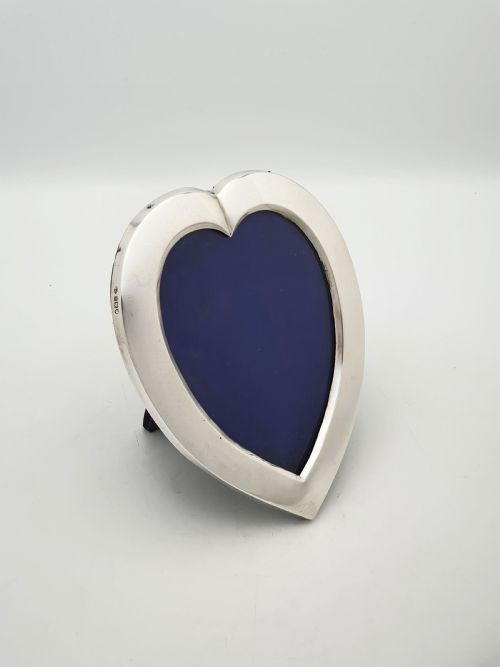
A vintage easel back frame is primarily designed as a picture frame, photo frame, or tabletop mirror intended for upright display. The selection spans domestic forms originating from Victorian and Edwardian periods, through George V examples, up to mid-twentieth-century Italian pieces.
The objects combine a decorative front face with a supportive rear stand, often utilising materials such as sterling silver, silver plate, or 800 silver for the visible housing. Supporting structures on the reverse typically incorporate wood, glass, leather, or velvet elements to complete the construction.
How they were made
Metalsmiths formed the metallic fronts through stamping, casting, or repoussé work, frequently incorporating hallmarks from assay offices like Birmingham or Chester. Artisans then integrated structural backs made from oak, leather, or velvet, attaching hinged metal struts to maintain stability.
Finishes range from plain polished silver borders to embossed motifs, engraved patterns, and applied enamel work. The backing materials are secured to the primary frame to enclose the glass and the photographic content.
One exceptional piece commemorates the alliances of 1914 in bright enamel and silver, turning a simple desk frame into a snapshot of history.
What varies in quality
The substance of the primary metal housing separates substantial silver items from lighter silver-plated alternatives. Heavier gauge sterling silver and solid construction elements denote higher manufacturing standards.
The integrity and originality of the backing materials, whether wood, leather, or velvet, influence the overall character. Details such as crispness in embossed or engraved decoration also distinguish finer examples.
William Comyns·Henry Matthews·Pinci, Roma·WMF
The Vintage Easel Back Frame Glossary
- Easel back
- A hinged structural prop attached to the rear of a frame that allows it to stand upright on a flat surface. This support mechanism is characteristic of tabletop mirrors and picture frames.
- Repoussé
- A metalworking technique where a design is hammered into relief from the reverse side of the material. This method creates tactile, raised patterns on silver photo frames.
- Assay office
- An official body that tests the purity of precious metals and stamps them with appropriate hallmarks. Birmingham and Chester are notable assay locations found on these pieces.
- Sterling silver
- An alloy consisting of pure silver and other metals, usually copper, meeting a specific fineness standard. Many Edwardian and Victorian frames utilise this material.
Vintage Easel Back Frame: Frequently Asked Questions
How do I clean a silver frame?
Use a soft cloth and a gentle, appropriate silver cleaner to remove tarnish from the metal surfaces. Take care to avoid applying cleaning liquids directly to velvet, leather, or wooden backing components.
Store the items in a stable environment away from excessive moisture to preserve both the metal finish and the integrity of the rear support.
Are these frames meant for desks?
These pieces function primarily as tabletop accessories designed to sit securely on flat surfaces such as desks, mantels, or chests of drawers. The integrated easel support holds the display at a slight backward angle for optimal viewing.
While many house family photographs, some variants serve as portable tabletop mirrors rather than picture holders.
What backs are used?
Backing materials vary considerably across the selection, featuring structural wood such as oak alongside rich textiles like blue velvet. Leather is another common material used to line the reverse of Edwardian examples.
These backing boards typically house the glass pane and secure the inserted photograph within the metallic housing.
How are periods identified?
Assay office hallmarks, style characteristics, and date letters stamped into the metal provide clear indicators of a piece's age. Edwardian and Victorian items often display distinct aesthetic traits like Art Nouveau curves or ornate floral embossing.
Materials and construction methods also help distinguish late nineteenth-century objects from mid-twentieth-century Italian designs.