
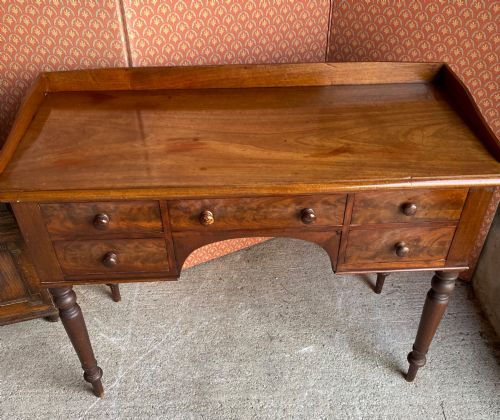
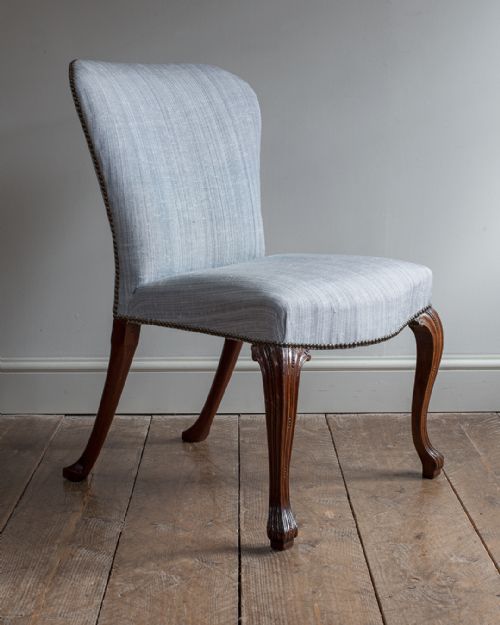
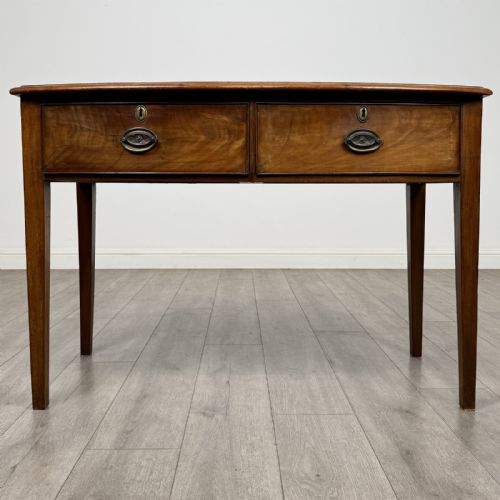
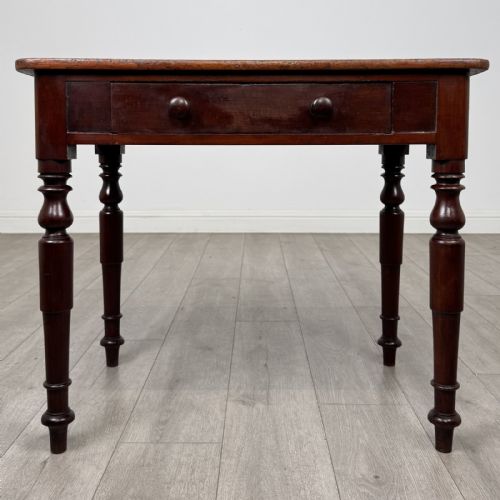
Vintage Dressing Table Desk
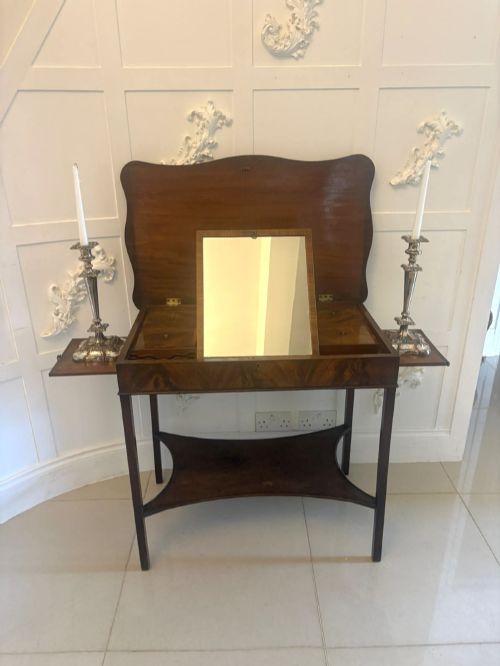
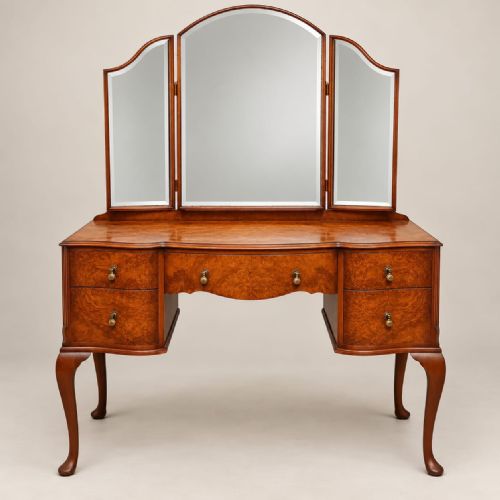
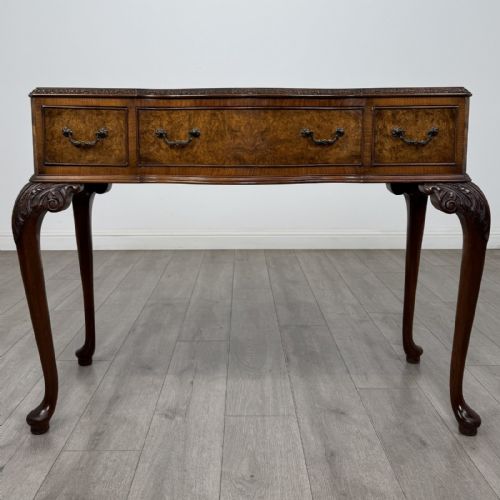
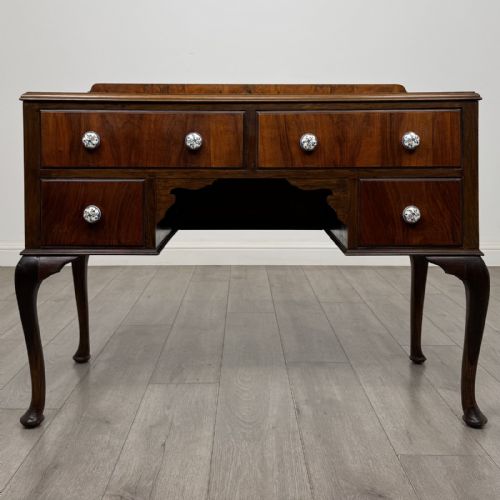
These vintage dressing table desk options combine practical workspace with a mirrored vanity surface, spanning multiple revival styles and eras.
Vintage Dressing Table Desk
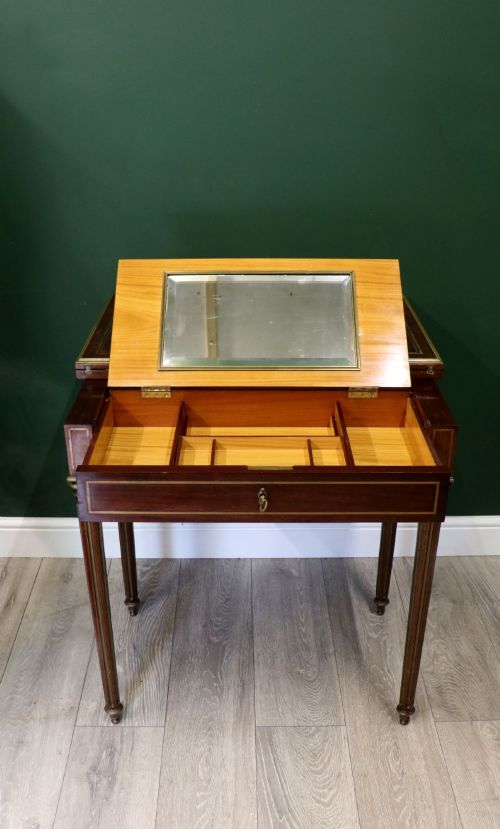
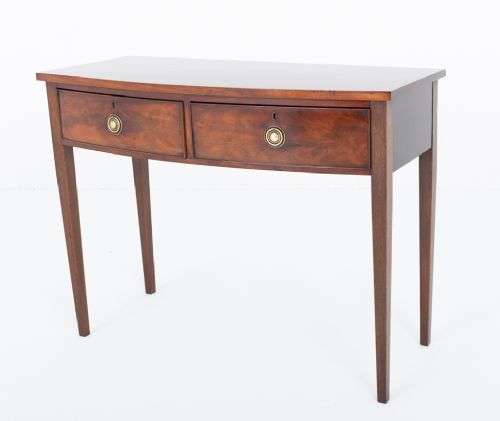
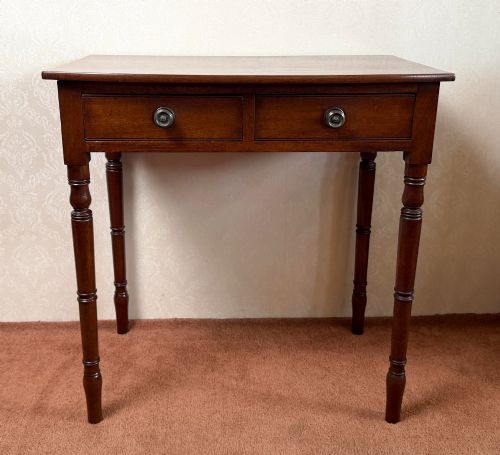
A vintage dressing table desk brings together the dual functions of a writing surface and a personal grooming station, often bridging the gap between a traditional desk and a vanity. You encounter forms ranging from pedestal desks and lowboys to console tables and writing tables fitted with mirrors, originating from eras spanning the eighteenth century through to the Art Deco period.
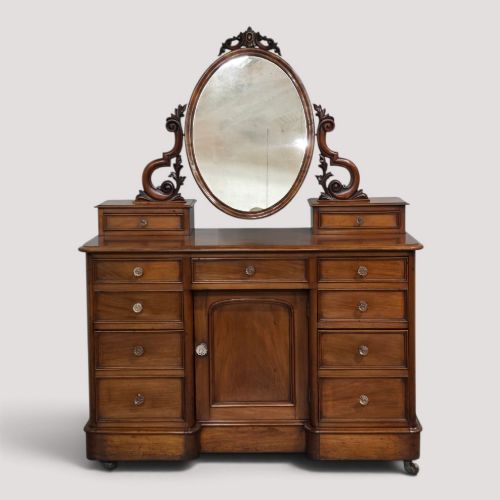
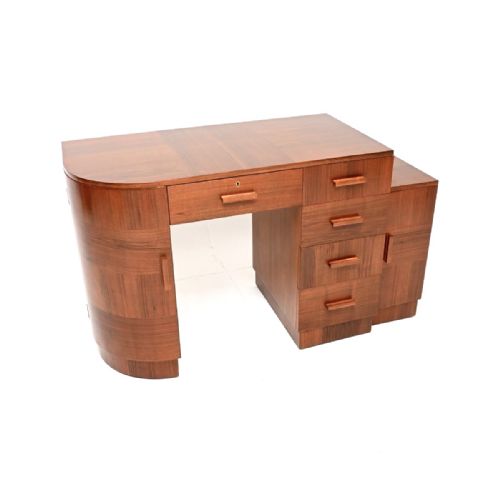
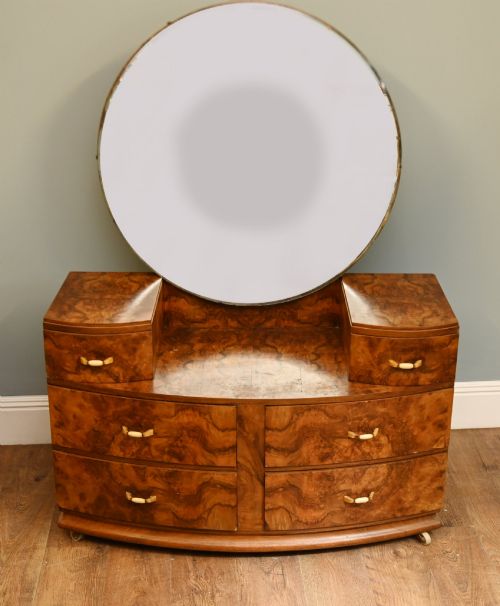
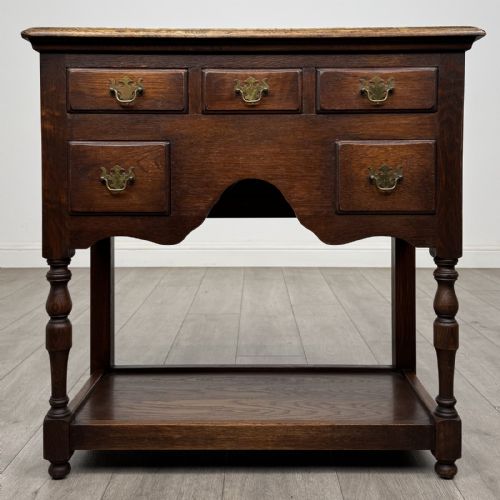
The pieces appearing on this page show distinct influences from Edwardian, Victorian, and Art Deco designs, utilising timbers such as mahogany, oak, and walnut. Many items bridge the boundary between utilitarian desks and decorative dressing tables, reflecting domestic requirements for private writing and grooming spaces in past decades.
Materials and Technique
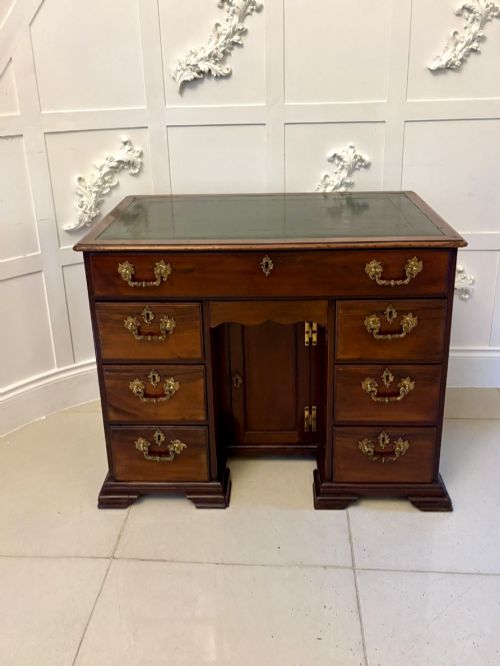
Cabinetmakers utilised solid timbers and decorative veneers, applying burr walnut, mahogany, oak, and maple over structural frameworks. Surfaces often incorporate inset leather or suede writing areas, accompanied by brass handles and swinging mirrors.
Construction techniques combine traditional joinery with period stylistic details such as cabriole legs, marquetry inlay, and carved ornamentation. Finish applications range from French polish on walnut and mahogany to painted surfaces on pine and console frames.
Several mirrors have survived decades of morning routines completely intact.
Evaluating Quality
Distinction across the range lies in the selection of figured wood veneers, such as burr walnut and birdseye maple, matched with solid secondary timbers and careful joinery. Superior examples maintain original hardware, mirrors, and fitted interior compartments.
Proportion and execution define the better specimens, where carved details remain crisp and secondary woods are chosen with care. Pieces displaying integrated design between the desk structure and the vanity mirror demonstrate higher craftsmanship than later adaptations.
The Vintage Dressing Table Desk Glossary
- Burr Walnut
- A timber obtained from the knot growths of walnut trees, yielding highly figured grain patterns favoured for decorative furniture panels.
- Lowboy
- A small side table or dressing table featuring a low profile with one or more rows of drawers beneath the top surface.
- Kneehole Desk
- A freestanding desk or dressing table featuring a central recess for the user's legs, flanked by pedestals of drawers.
- Pedestal Desk
- A heavy writing table built upon two supporting columns of drawers that extend down to the floor.
Vintage Dressing Table Desk: Frequently Asked Questions
How do I use a vintage dressing table desk today?
These pieces function well as compact writing desks in modern studies or bedrooms, offering surface space for a laptop alongside traditional drawer storage.
Removing or adjusting associated mirrors allows the furniture to serve strictly as a console or writing table depending on room layout.
Are these desks suitable for daily workspace use?
Many period writing tables provide adequate surface area and knee clearance for routine writing tasks and small computers.
Drawer configurations vary by piece, so verifying internal dimensions ensures the desk accommodates modern stationery needs.
How do I identify an Art Deco dressing table?
Art Deco examples typically display geometric symmetry, stepped pedestal structures, and exotic veneers like birdseye maple or burr elm.
These pieces often incorporate skyscrapers or curved mirror arrangements characteristic of the 1930s aesthetic.
What is the difference between a lowboy and a dressing table?
A lowboy is a small table with drawers designed originally for serving or dressing, usually lacking an attached superstructure or mirror.
Dressing tables often incorporate fixed or triple-plate mirrors and dedicated compartments for grooming accessories.