

Vintage Dressing Box
A vintage dressing box organises personal valuables and keepsakes, offering a tactile connection to past dressing rituals.
Vintage Dressing Box
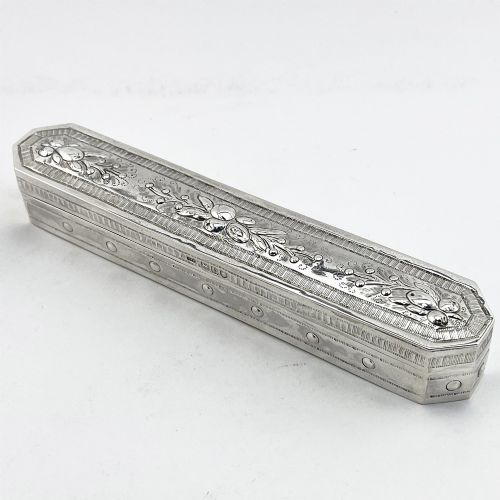
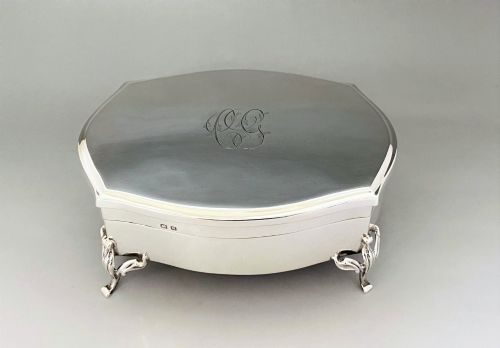
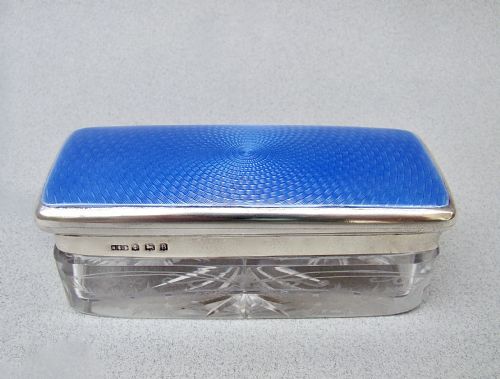
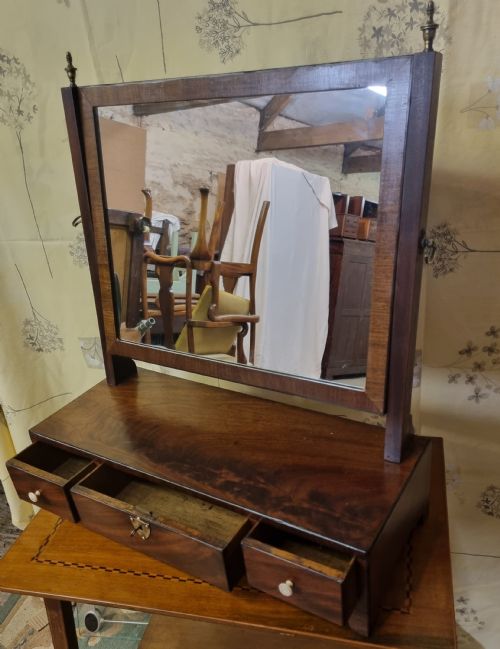
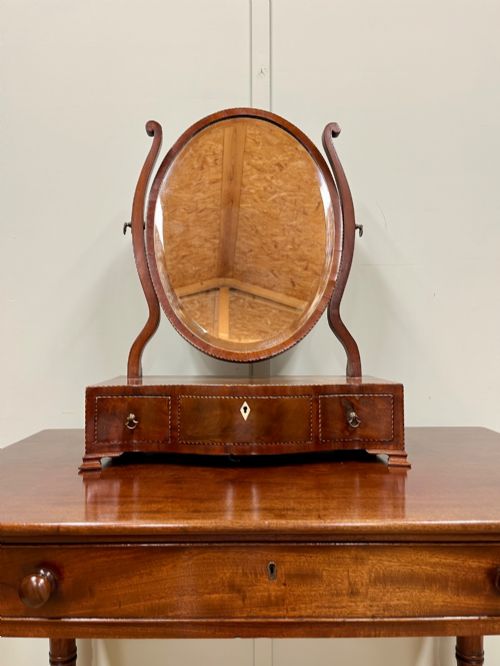
A vintage dressing box encompasses lidded containers, trinket boxes, and vanity cases designed to hold small personal effects. These pieces emerge across several periods, stretching from Georgian mahogany table mirrors to mid-century leather vanity cases and silver-mounted glass jars.
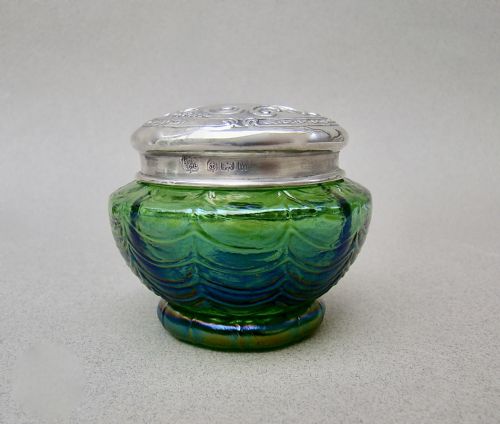
Buyers encountering this search phrase frequently meet Edwardian silver pieces, Art Deco enamel designs, and Victorian wooden caskets. The selection draws together diverse forms including heart-shaped silver containers, crystal powder boxes, and fitted travel cases.
Originating from domestic dressing rooms and boudoirs, these containers reflect the changing storage needs of personal adornment through the nineteenth and twentieth centuries.
Materials and construction
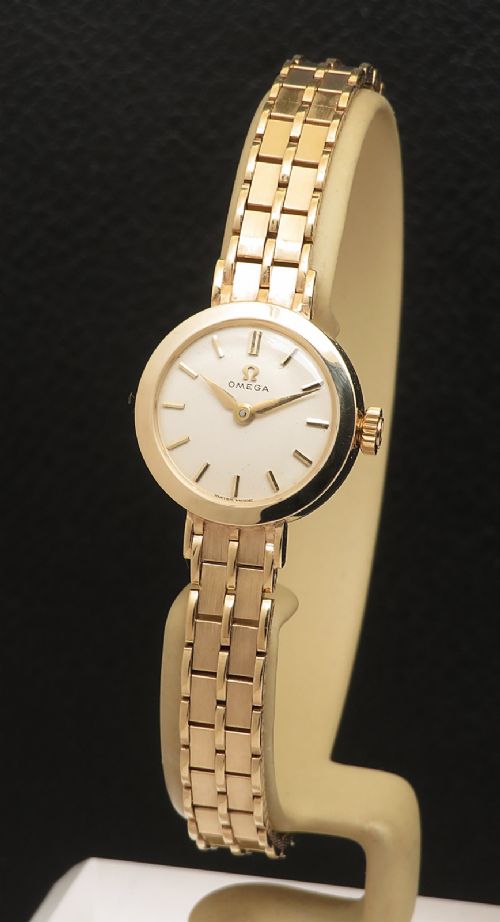
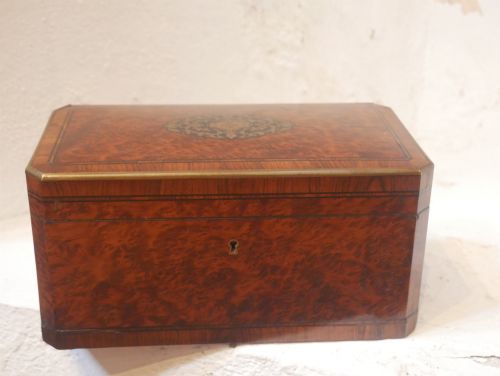
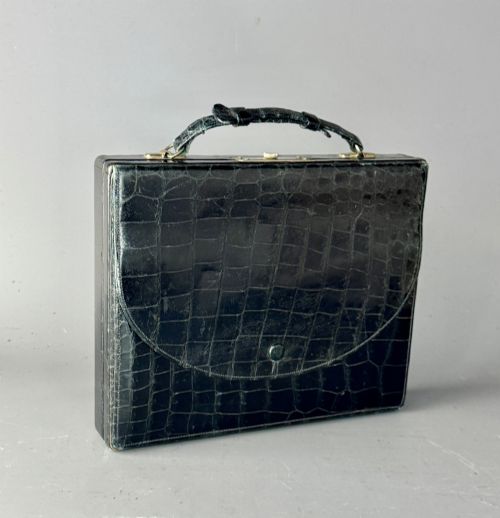
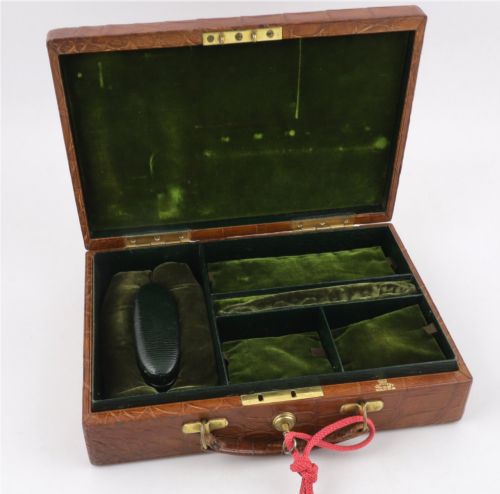
Craftsmen utilised traditional cabinet woods such as mahogany, walnut, and amboyna for the structural carcasses, often applying fine crossbanding and brass mounts. Leather, including crocodile skin, formed durable exteriors for portable vanity cases and watch boxes.
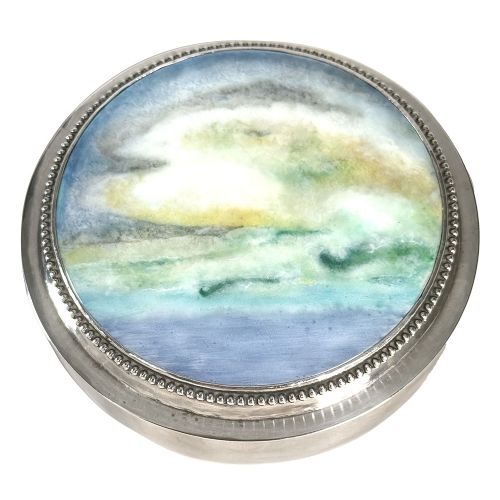
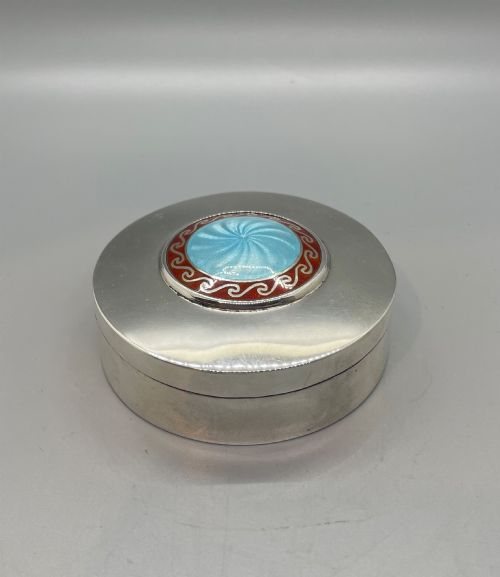
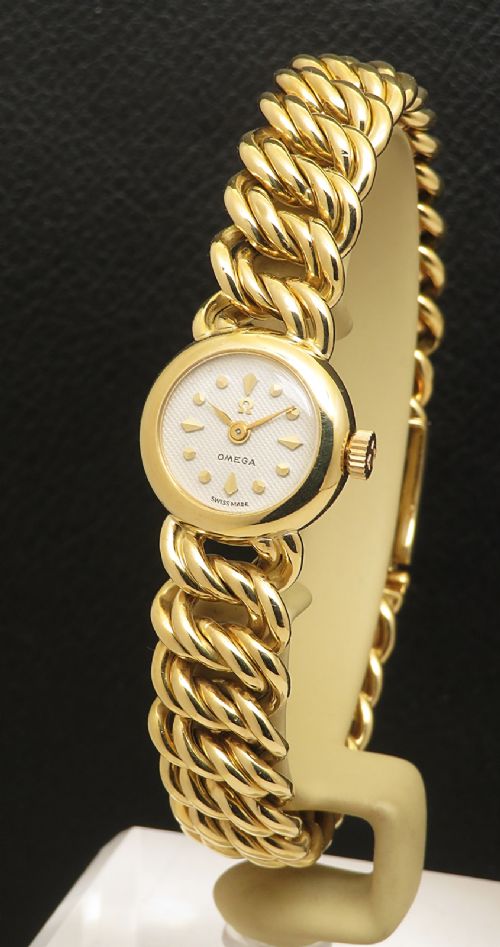
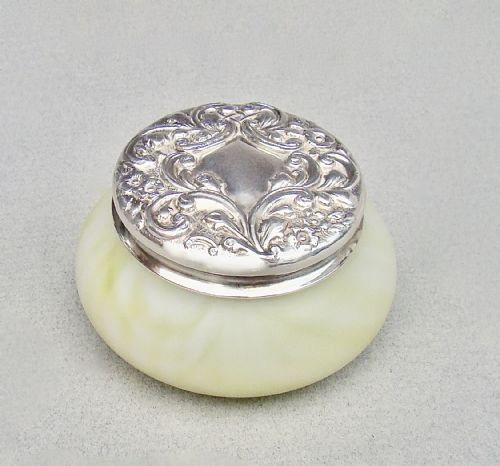
Metalwork played a central role, with sterling silver, solid gold, and gilt bronze shaping lids, frames, and intricate mountings. Glass and crystal provided bodies for powder jars and trinket pots, frequently combined with coloured guilloche enamel.
Listings feature items spanning from the Georgian period through the Victorian, Edwardian, and Art Deco eras up to mid-century designs.
Distinctions in quality
Superior examples demonstrate precision in metal gauge and joinery, where silver mounts fit snugly against glass bodies and wooden mitres remain tight. The weight of the metal and the clarity of the crystal or glass indicate the original tier of production.
Artistic execution sets finer pieces apart, visible in the depth of enamel work, the sharpness of cast bronze details, and the quality of internal linings such as velvet. Maker attribution and the retention of original fitted components elevate specific examples within the range.
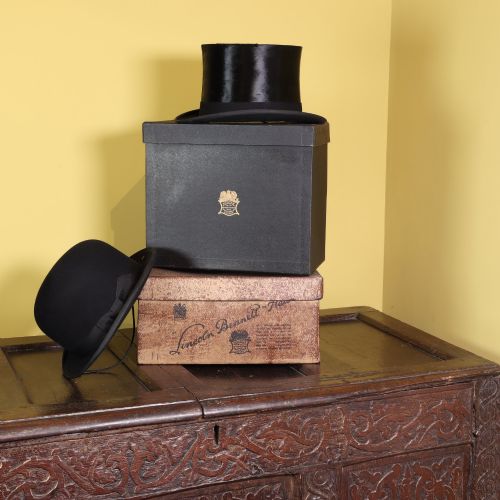
Tahan·Dunhill London·Lincoln Bennett of London·J C Vickery·Rene Lalique
The Vintage Dressing Box Glossary
- Guilloche enamel
- A decorative technique involving precise, intricate patterns engraved beneath a translucent layer of coloured enamel. This method was widely favoured during the Edwardian and Art Deco periods for vanity items.
- Sterling silver
- An alloy consisting of silver and other metals, predominantly copper, standardising at a purity proportion. Most British silver boxes bear hallmarks confirming this standard.
- Crossbanding
- A decorative border technique where thin strips of veneer are laid across the grain of the primary wood. This method frames the surfaces of Georgian and Victorian mahogany boxes.
Vintage Dressing Box: Frequently Asked Questions
What is a vintage dressing box?
A vintage dressing box is a container designed to hold jewellery, cosmetics, hairpins, or personal trinkets on a dressing table or during travel. They range from small silver lidded glass pots to large wooden caskets with fitted compartments.
These pieces reflect the personal grooming habits of past eras, often lined with velvet or satin to protect delicate items. Their varied materials mirror the design shifts from Georgian woodcraft to Art Deco metal and enamel.
How were these boxes used?
Owners kept daily accessories such as rings, watches, powder puffs, and vanity jars inside these containers to keep dressing surfaces orderly. Portable versions accompanied travellers, securing valuables during transit.
Many featured specialised internal sections for specific objects like cufflinks, watches, or hair brushes, keeping each item separate and secure.
How do I date a dressing box?
Dating relies on hallmarks on silver mounts, material choices, and prevailing stylistic indicators such as Art Nouveau curves or Art Deco geometric lines. Wood types and construction methods also point to specific periods like the Georgian era or the Victorian period.
Maker marks and engraved presentation inscriptions frequently provide exact chronological anchors for individual pieces.
How do I clean silver mounts?
Silver mounts require gentle cleaning with a soft cloth formulated for silver to avoid abrasive damage to surrounding glass, enamel, or wood. Chemical dips should be avoided to prevent stripping patinas or damaging glued components.
Care must be taken to keep cleaning agents away from fabric linings and vulnerable materials like crocodile leather or tortoiseshell.