
Vintage Display Unit
A vintage display unit brings architectural order to a room, holding books and curiosities behind glass or upon open shelves.
Vintage Display Unit
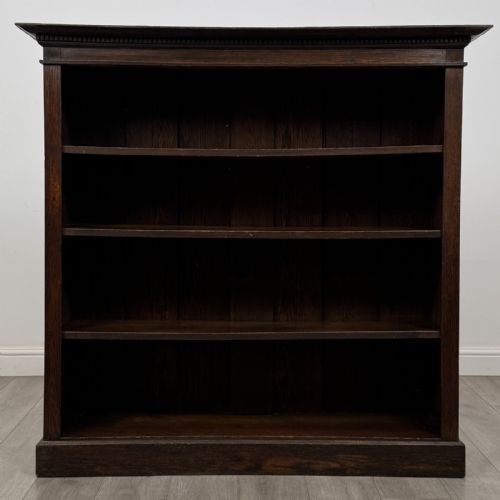
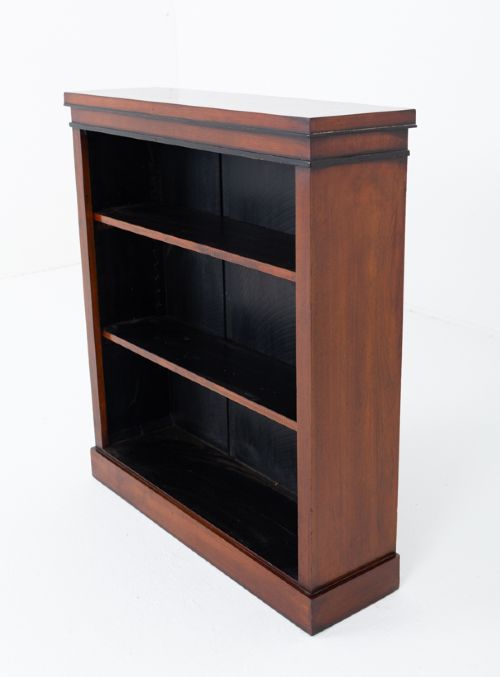
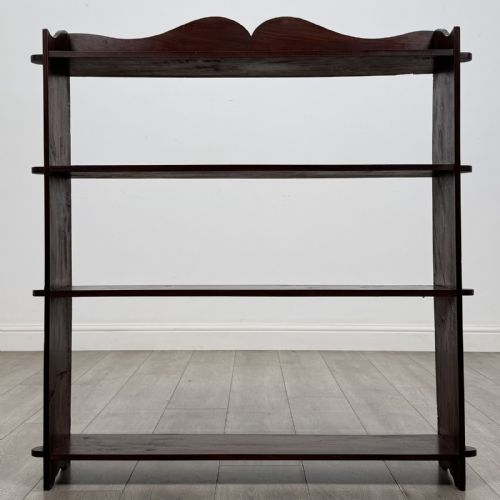
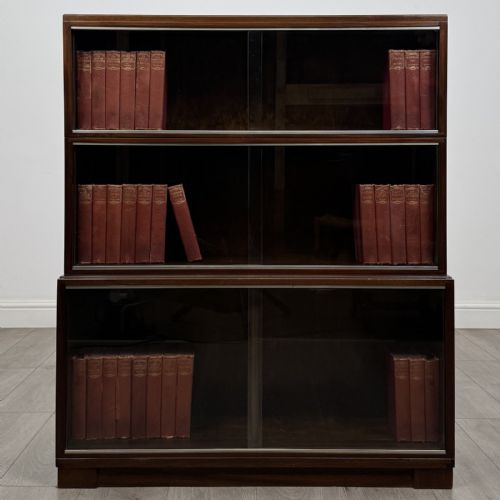
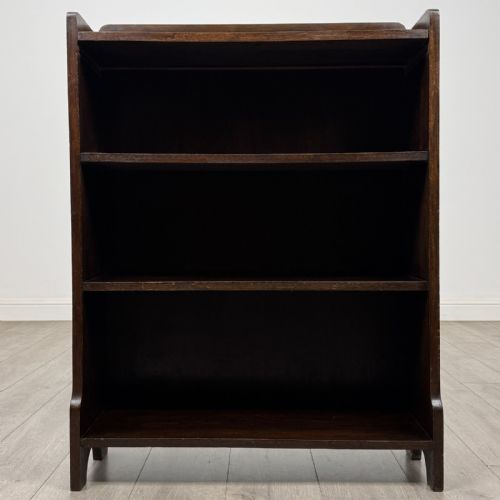
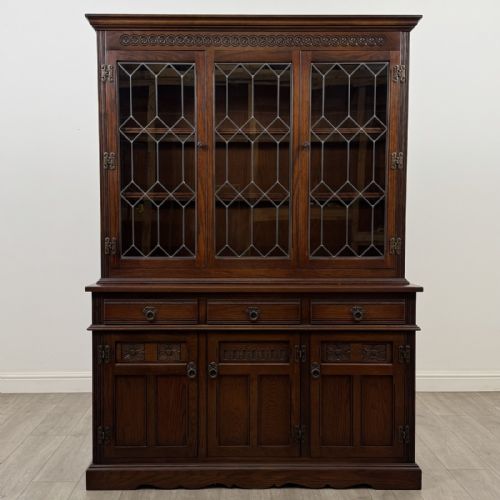
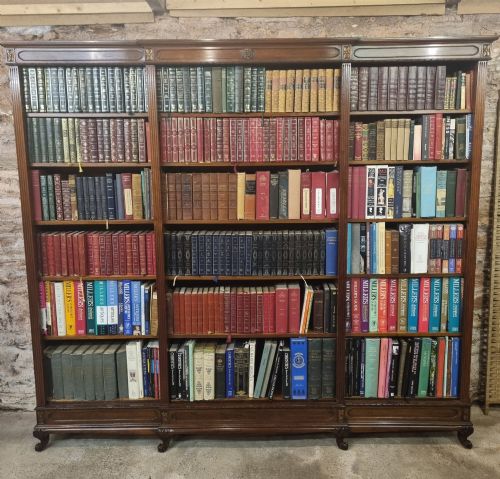
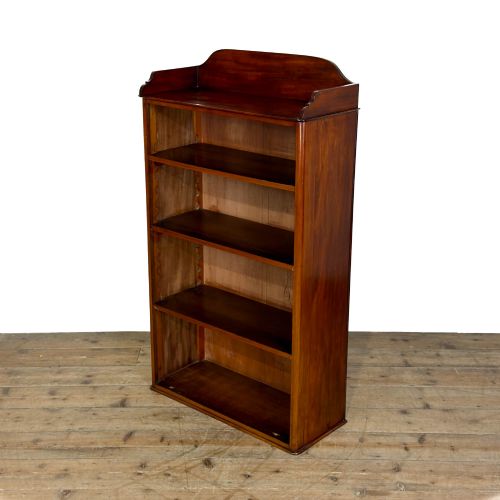
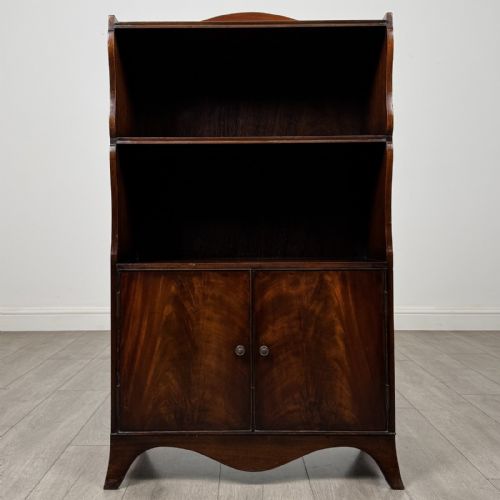
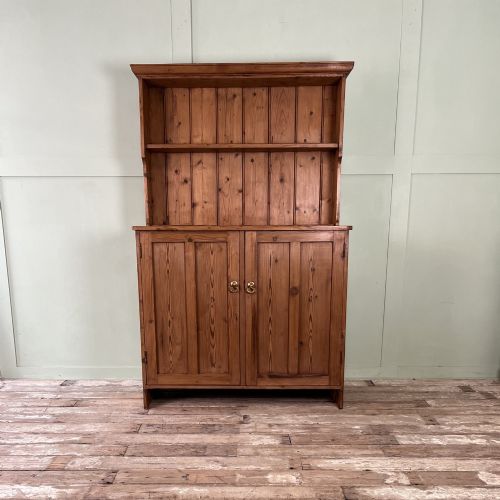
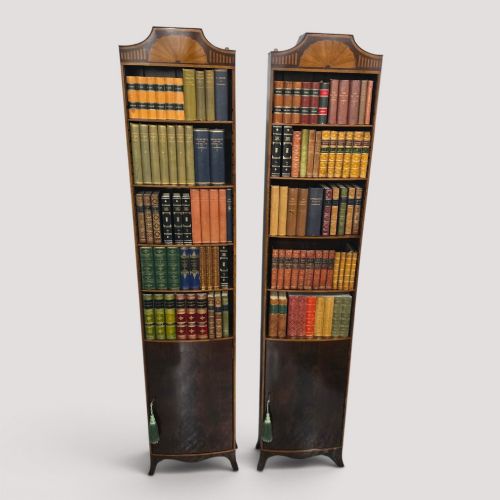
A vintage display unit covers a wide spectrum of functional timber furniture designed to showcase or store books, ceramics, and personal collections. Buyers searching for a vintage display unit encounter everything from towering mahogany breakfronts and glazed Edwardian cabinets to rustic pine dressers and slender oak bookcases.
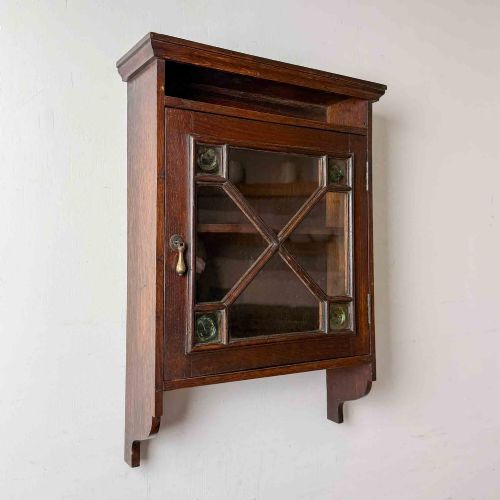
The objects appearing on this page span several decades, originating primarily from the Victorian, Edwardian, and 1930s periods. Forms range from corner cupboards and wall shelves to elaborate shop display cabinets and revolving or adjustable bookcases.
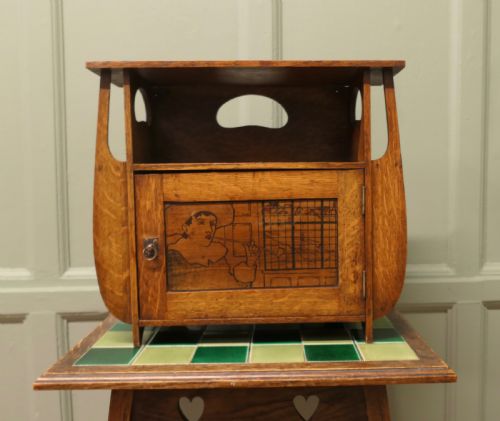
Most pieces lean towards traditional domestic utility, drawing upon styles such as Arts and Crafts, Art Deco, and rustic farmhouse aesthetics. Shoppers are most likely to meet solid oak and mahogany open bookcases alongside glass-fronted display cabinets suitable for modern interiors.
Materials and construction
Cabinet makers relied heavily on dense hardwoods like mahogany, walnut, and oak to provide the structural integrity required for heavy shelves of books. Softer timbers such as pine appeared frequently in utility pieces like kitchen dressers and painted cupboards.
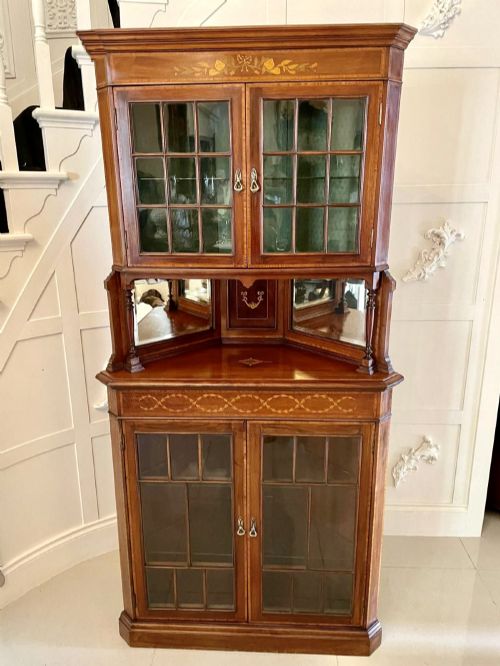
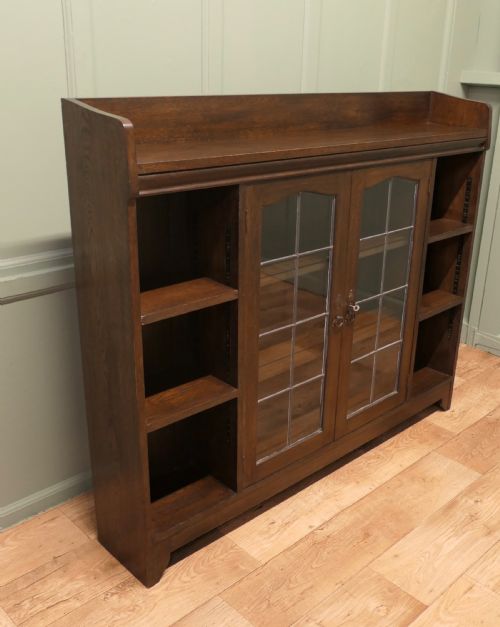
Detailing often included brass handles, leaded glass panels, and delicate inlays of satinwood to elevate the visual appeal of display cabinets. Artisans utilised traditional joinery methods, incorporating raised galleries, carved edges, and adjustable shelf mechanisms.
Listings feature oak, mahogany, walnut, pine, and satinwood across Victorian, Edwardian, and 1930s periods.
Markers of quality
Superior quality in these units rests upon the selection of timber grain, whether figured mahogany, burr walnut, or quarter-sawn oak. Finely executed details such as brass hardware, leaded glass, and subtle inlaid borders distinguish exceptional workshop production from utilitarian items.
Structural refinement also defines the upper tier, seen in balanced proportions, adjustable shelving systems, and sound historical joinery that withstands decades of domestic use.
F. Sage and Co·Heals
The Vintage Display Unit Glossary
- Breakfront
- A large cabinet design where the central section projects forward from the flanking wings, creating depth and architectural presence.
- Gallery
- A raised decorative railing running along the top edge of a bookcase or cabinet to prevent items from sliding off.
- Whatnot
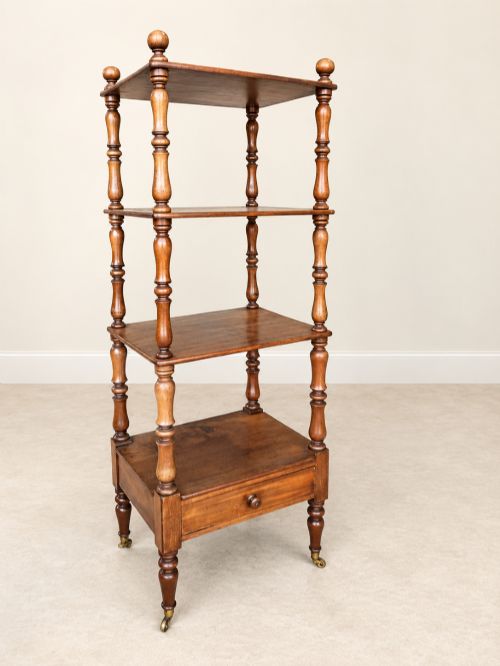
- A piece of freestanding furniture consisting of several open shelves tiered above one another, used for displaying ornaments.
- Etagere
- A set of open shelves for displaying small objects, typically possessing a lighter and more decorative frame than a standard bookcase.
Vintage Display Unit: Frequently Asked Questions
How do I style a vintage display unit?
Balance heavy volumes with ceramics, glassware, and small sculptural objects across different shelves. Leave some negative space so the timber and interior back panels remain visible.
Group items by colour or material to create visual cohesion rather than packing every shelf tightly.
Can shelves be adjusted easily?
Many Edwardian and later examples feature adjustable wooden shelving supported by traditional wooden ratchets or metal pins. This allows you to alter shelf heights for varying book sizes.
Older Victorian and Georgian pieces often feature fixed shelves nailed or grooved permanently into the carcase sides.
Are leaded glass doors fragile?
Leaded glass panels are stable when the surrounding timber frame remains square and true. The lead cames hold the individual glass panes securely together.
Avoid shifting heavy furniture roughly, as twisting the main frame can stress the leadwork and crack the glass.
How do I identify an Edwardian bookcase?
Edwardian pieces frequently utilise lighter timbers, satinwood stringing, and subtle neoclassical or Arts and Crafts influences. They often present cleaner, brighter finishes than darker Victorian furniture.
Look for refined proportions and lighter cornices that reflect early twentieth-century domestic interiors.