
Vintage Display Shelving
Vintage display shelving comprises open bookcases, what-nots, and wall brackets from periods spanning the Regency era to the twentieth century, offering practical storage and surface display.
Vintage Display Shelving
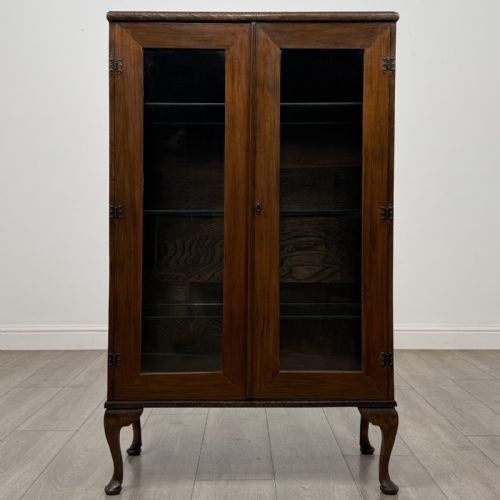
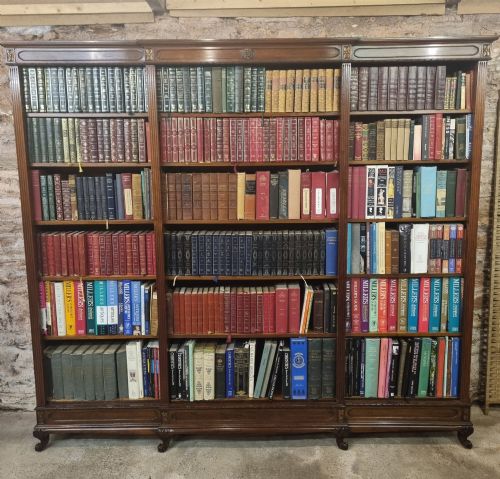
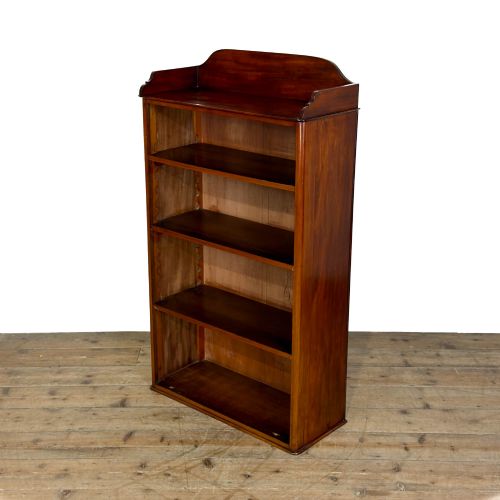
Vintage display shelving covers a broad group of wooden storage pieces intended for holding books and displaying decorative objects in domestic interiors. These items range from wall-mounted brackets and hanging shelves to large floor-standing open bookcases and dressers.
The pieces appearing on this page draw from periods including the Regency era, Victorian times, the Edwardian period, and the nineteen-thirties. Forms vary from simple rustic pine bookshelves to elaborate mahogany what-nots with multiple tiers.
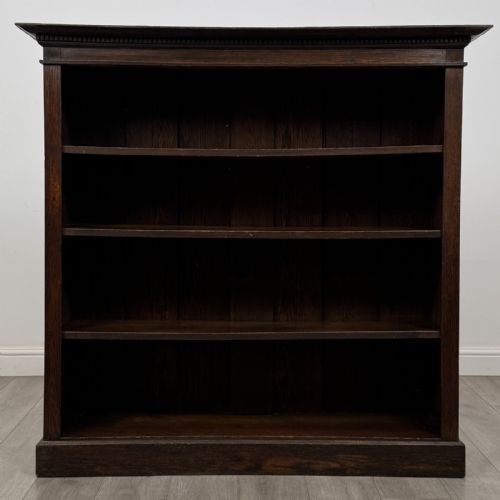
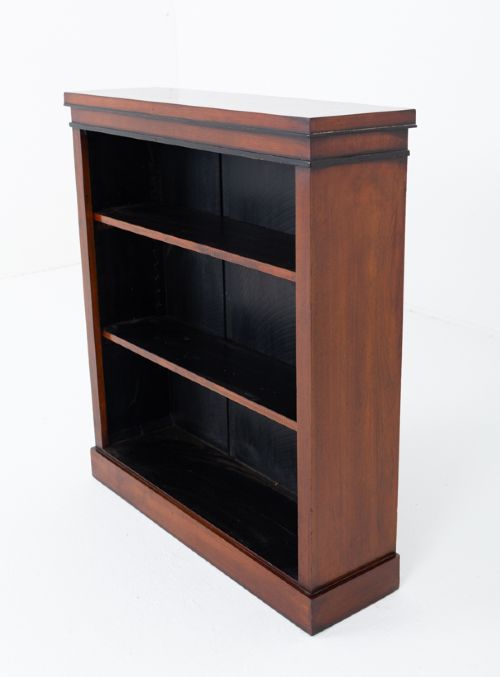
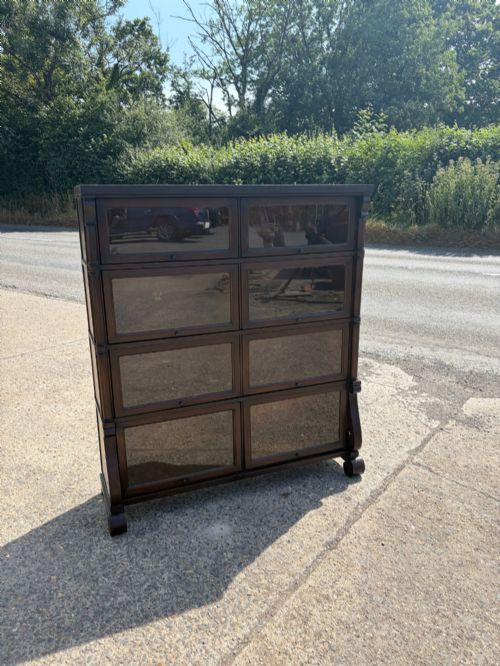
Buyers will frequently encounter open bookcases in oak or mahogany alongside specialised wall fixtures and corner cabinets. These items provide accessible vertical storage while maintaining an open visual profile suitable for collections.
How these pieces were made
Makers utilised solid hardwoods like mahogany, oak, walnut, and pine, often selecting figured veneers such as burr walnut and flame mahogany for prominent surfaces. Brass fittings frequently appear as structural details, hinges, and gallery rails.
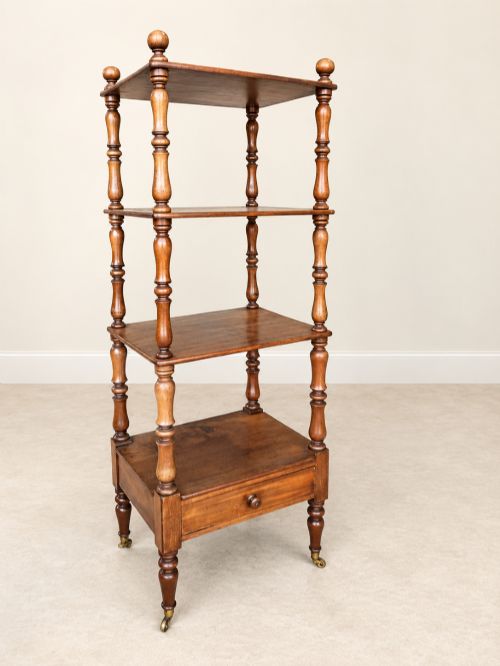
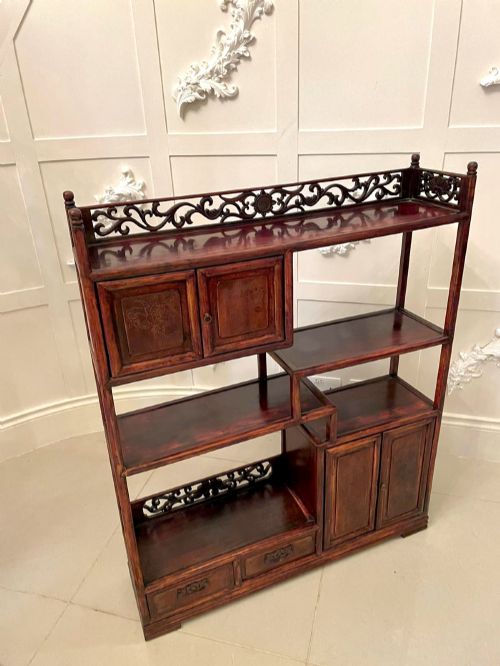
Construction techniques combine traditional joinery with period specific ornamentation, including inlaid woodwork, barley twist turnings, and carved detailing found in Arts and Crafts and Baroque-style examples.
Cherub wall brackets and nine-foot bakers racks share space with modest pine bookshelves.
What varies in quality
Quality rests on the selection of timber and the execution of secondary woods, where finely figured veneers and solid hardwoods distinguish superior examples from utility pieces. The integration of adjustable shelving mechanisms and brass hardware further separates standard workshop production from finer cabinet work.
Proportion and structural integrity define the upper tier of these pieces. Well-balanced forms with crisp carved details or precise inlay retain their structural coherence and aesthetic appeal more successfully than simpler variants.
Dubois of Lyon·Maison Jansen·Heals
The Vintage Display Shelving Glossary
- What-Not
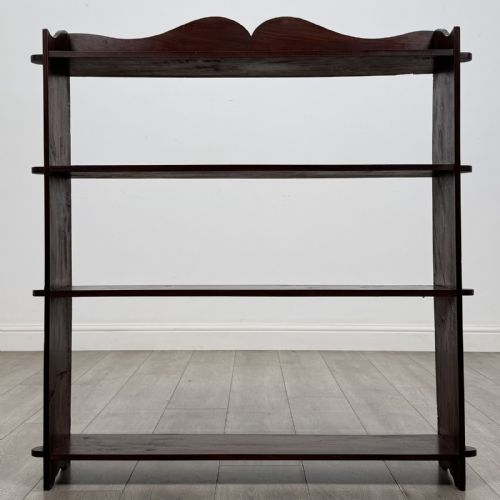
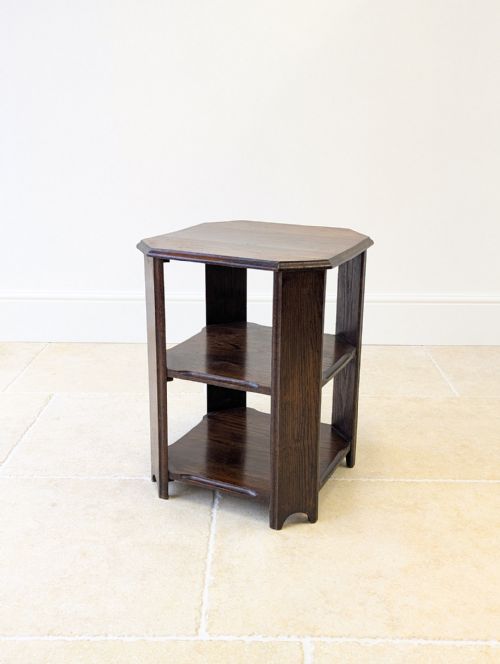
- An open tiered piece of furniture designed for displaying ornaments or books. These freestanding stands typically feature multiple platforms supported by slender uprights.
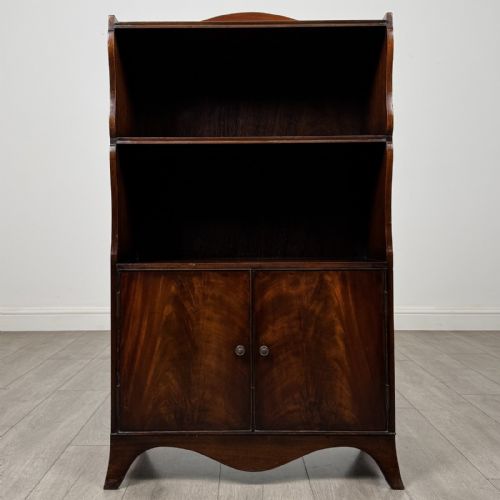
- Waterfall Bookcase
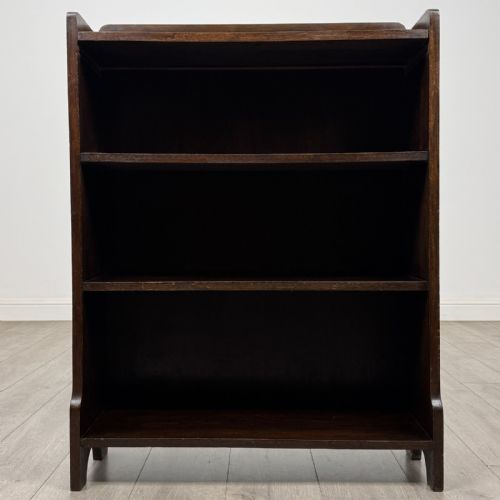
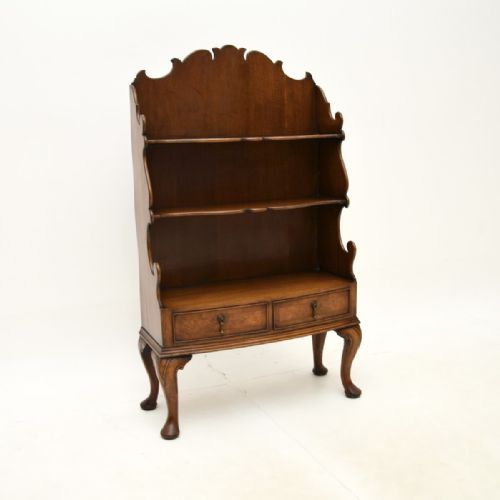
- A set of open shelves where each tier steps back progressively from the one below it. This creates a sloping profile reminiscent of cascading water.
- Etagere
- A piece of furniture consisting of a set of open shelves for displaying small objects. The term originates from French cabinet making traditions.
- Burr Walnut
- Wood taken from a walnut tree growth featuring swirling, irregular grain patterns. Cabinet makers prized this material for decorative veneering on fine furniture.
- Arts and Crafts
- A design movement emphasising handcraftsmanship and simple vernacular forms. Pieces from this style frequently highlight the natural grain of oak.
Vintage Display Shelving: Frequently Asked Questions
What periods do these shelves cover?
The pieces span multiple historical eras, including Regency, Victorian, Edwardian, and the early twentieth century. Each period contributes distinct timber choices and decorative styles.
Design characteristics shift from formal mahogany and walnut pieces of the nineteenth century toward lighter oak and painted finishes in later decades.
How do I choose between wall shelves and floor bookcases?
Wall shelves and hanging brackets suit smaller spaces where floor area is restricted. They provide elevated display surfaces without crowding a room.
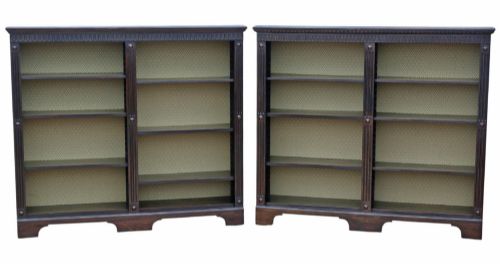
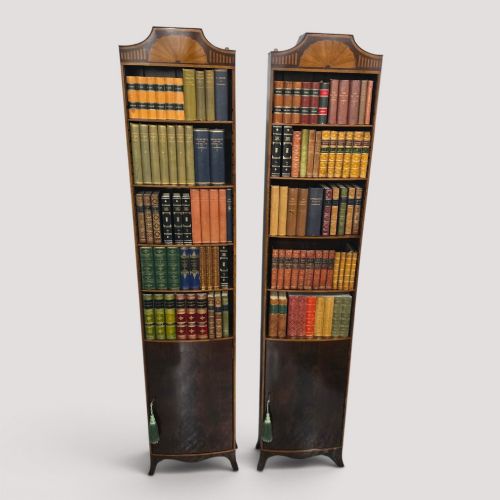
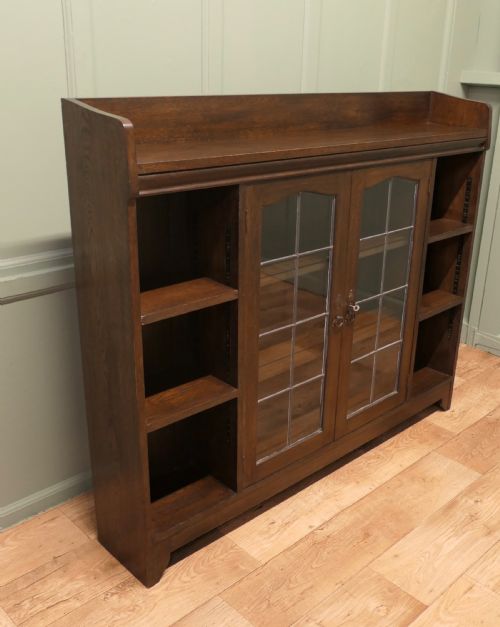
Floor-standing open bookcases offer substantial storage capacity and adjustable shelving to accommodate varying book sizes and large collections.
What timbers are most common?
Mahogany and oak appear most frequently across these listings, alongside walnut, pine, and ash. Finer pieces often incorporate burr walnut veneers or brass mounts.
Rustic country pieces tend to utilise pine and oak, whereas formal nineteenth-century examples favour rich mahogany and figured walnut.
Are shelves usually adjustable?
Many larger open bookcases feature adjustable shelving systems to accommodate books of different heights. Earlier pieces and specialised items like what-nots typically have fixed tiers.
Checking listing descriptions will confirm whether the internal layout allows for height adjustments.