





Vintage Display Mannequin
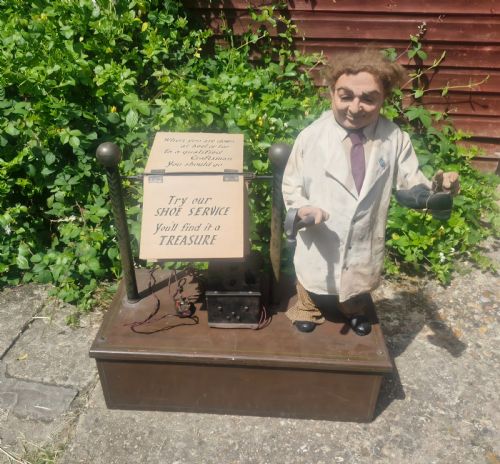
These vintage display mannequin pieces are shop display models and advertising figures that bring tangible commercial history straight into a room.
Vintage Display Mannequin
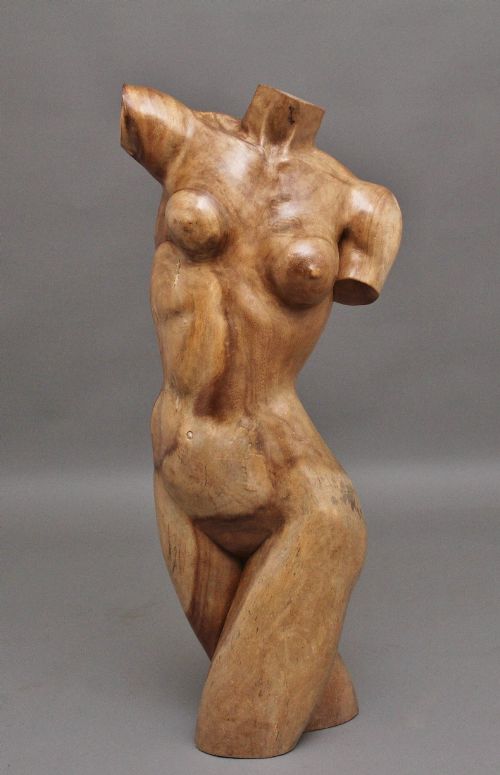
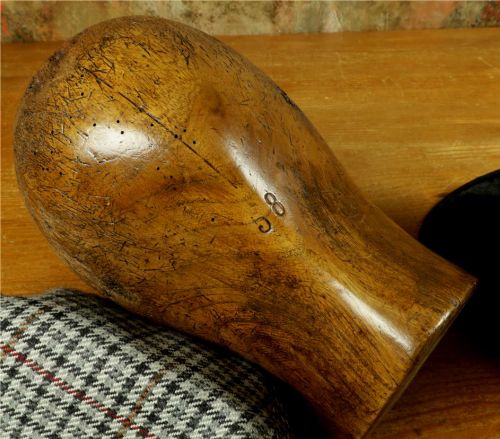
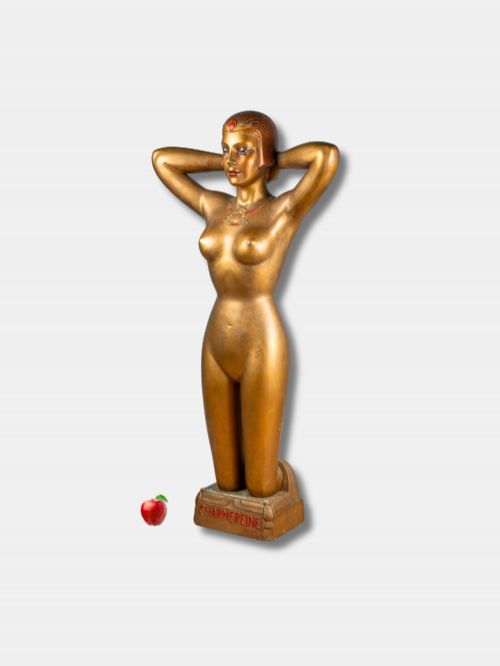
A vintage display mannequin serves as a tangible record of past shop floors, featuring forms designed for millinery, tailoring, and advertising. Buyers searching for a vintage display mannequin encounter diverse objects ranging from Victorian wooden millinery heads to Art Deco ladies advertising figures from Paris.
The selection includes shop display models, sculptures, busts, advertising display figures, and dress forms. Common formats span from full-size figures and male cloth models to specialised items like glove moulds and tobacco advertising figures.
Origins stretch across English, French, and American workshops, capturing commercial life from the mid-nineteenth century through the mid-twentieth century. The predominant styles lean towards Art Deco commercial work, Victorian pieces, and early twentieth-century folk art.
Materials and construction methods
Carved wood and composition form the backbone of these pieces, alongside painted plaster, fabric, metal, leather, iron, and terracotta. Artisans carved timbers by hand for millinery heads and trade signs, while composition and plaster allowed workshops to mould durable life-size advertising figures.
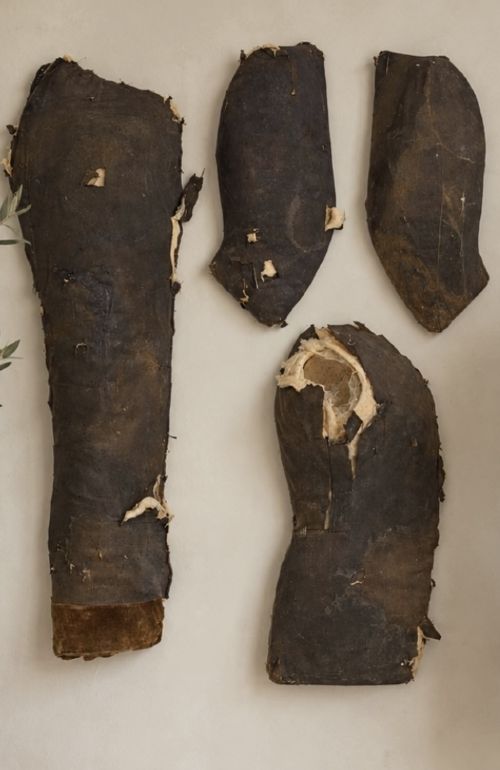
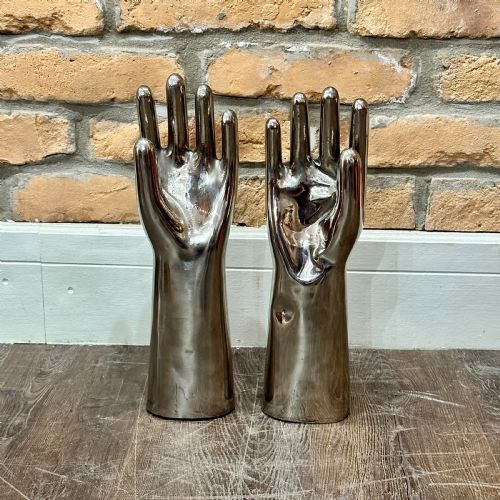
Surface treatments rely heavily on original paint and fabric coverings to convey age and authenticity. Metal components appear in utilitarian items such as aluminium glove moulds, while leather and iron contribute structural support and distinct textural contrast.
Vintage Display Mannequin Retail Price Guide 2026
Typical asking prices for vintage display mannequin among the pieces listed under this phrase on Sellingantiques today, from the lower quarter to the upper quarter. They describe what is for sale here now, not the wider market.
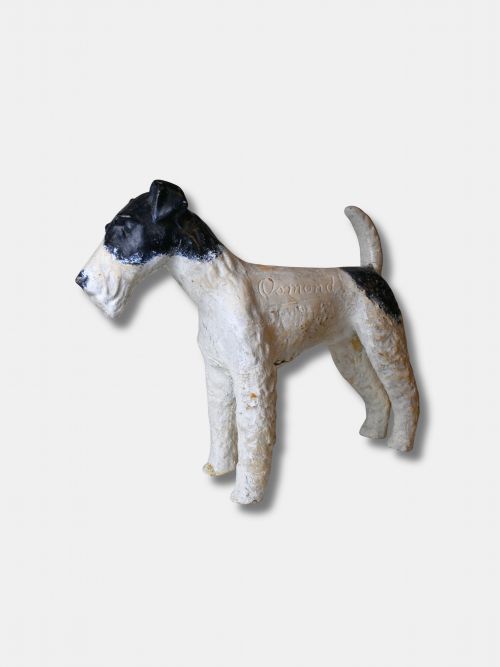
A Fox Terrier composition figure once stood on duty as an early twentieth-century advertising sign, guarding the shop.
What separates examples in quality
The distinction in quality rests upon the fidelity of the original hand-carving and the preservation of authentic surface finishes. Superior pieces retain their original painted details, undisturbed fabric coverings, and the distinct touch of the artisan who shaped the timber or moulded the composition.
Provenance and specific commercial origin elevate certain examples, particularly those bearing identifiable connections to known Parisian or London establishments. The integrity of the materials - whether solid carved wood, terracotta, or composition - determines how well a piece survives the transition from active shop window to interior display.
Charmereine
The Vintage Display Mannequin Glossary
- Millinery head
- A specialised block or form used for shaping and displaying hats. These are typically carved from wood and date from the nineteenth or early twentieth century.
- Composition
- A moulded material made from mixtures of pulp, plaster, or resin over a core. It was widely utilised in the early twentieth century for creating lightweight advertising figures.
- Dummy board
- A flat, painted wooden figure cut out to simulate a real person or animal standing in a room or shop window. These trompe l'oeil pieces served as early advertising and display devices.
- Trade sign
- An eye-catching sculptural object placed outside or inside a shop to advertise specific wares such as cigars or tobacco. They often took the form of carved figures or animals.
- Glove mould
- A metal or ceramic form shaped like a hand, used by glovers for shaping and displaying gloves. Aluminium examples are frequently encountered in commercial collections.
Vintage Display Mannequin: Frequently Asked Questions
What were vintage display mannequins originally used for?
These figures stood in shop windows and on counters to showcase hats, clothing, gloves, and specific wares like tobacco or cigars.
Merchants utilised them to attract custom and demonstrate how garments or accessories sat on the human form.
Are wooden millinery heads English or French?
The selection includes examples from both traditions, such as mid-nineteenth-century carved wooden heads from Regent Street in London.
Craftsmen shaped these from timber to serve local hatters and milliners before they transitioned into decorative collector items.
How can I style a shop display figure at home?
Position a full-size mannequin or a smaller bust on a counter or in a corner to anchor a room with distinct historical character.
Pair wooden or fabric forms with neutral backdrops to let the original textures and painted surfaces stand out.