
Vintage Dining Server
A vintage dining server brings traditional craftsmanship and practical surface space to the room, ranging from Edwardian cupboards to Art Deco walnut sideboards.
Vintage Dining Server
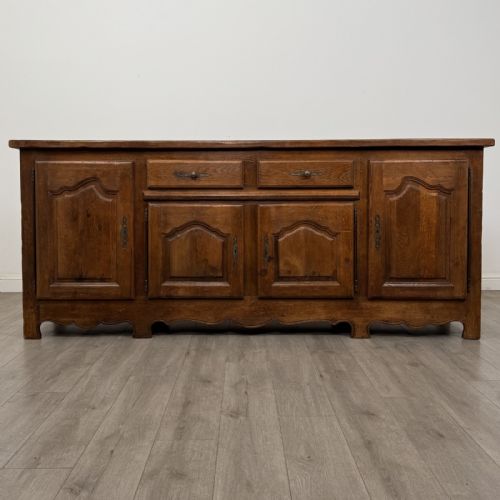
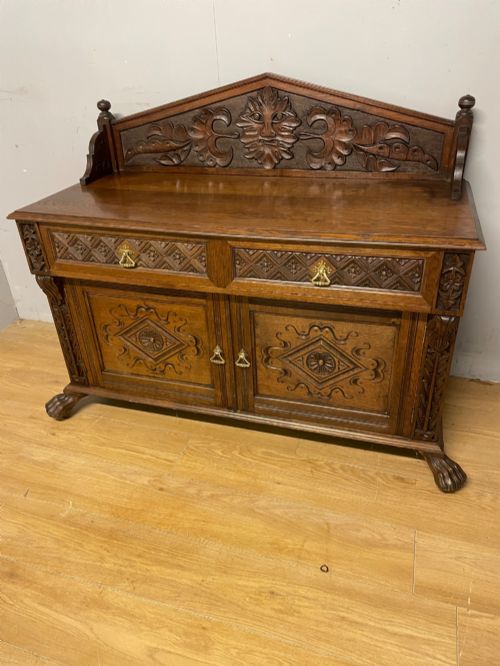
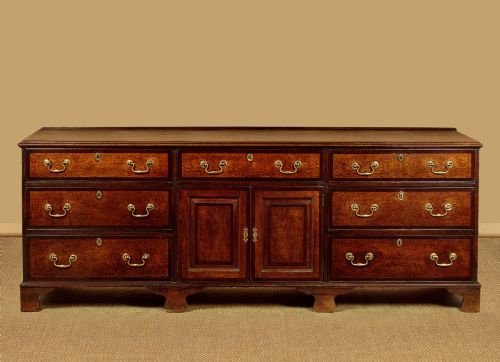
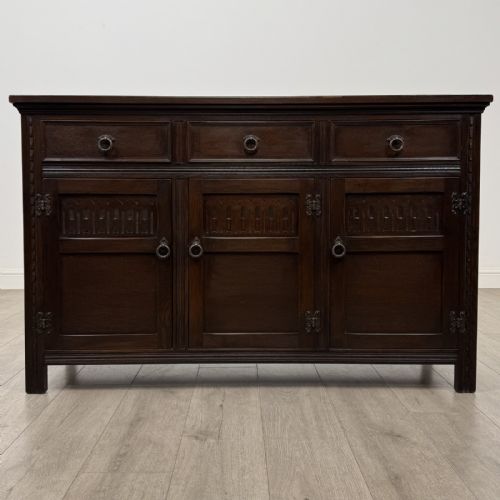
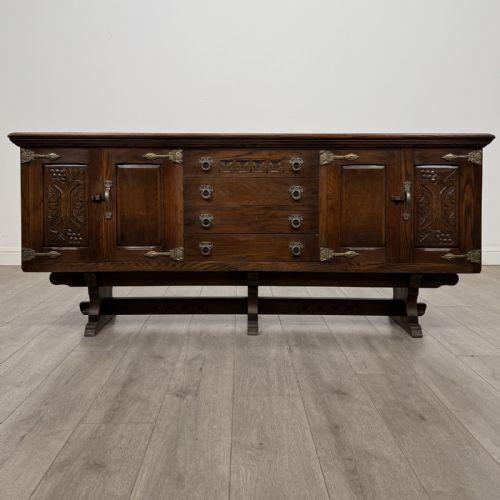
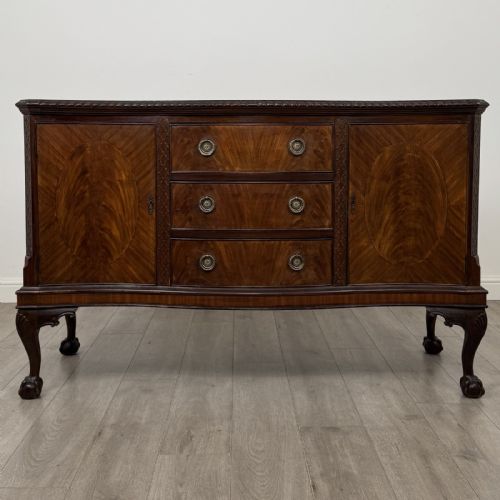
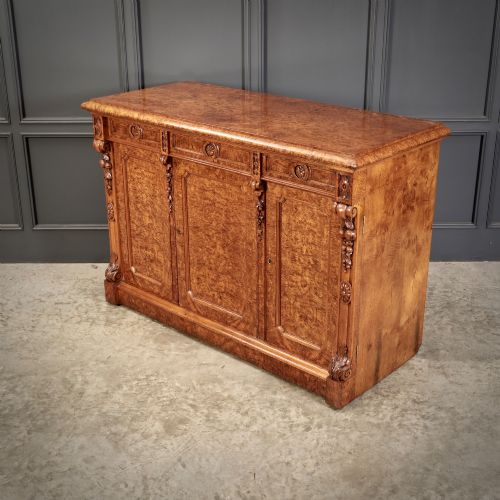
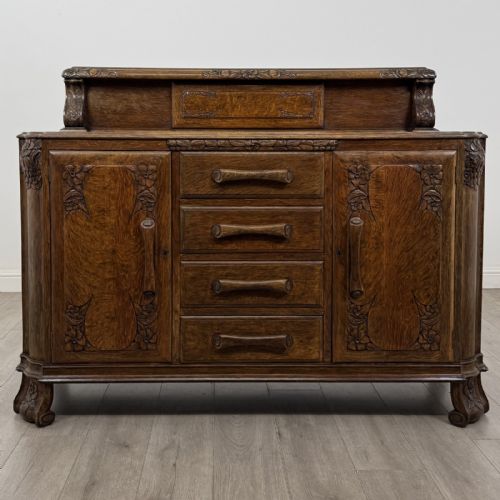
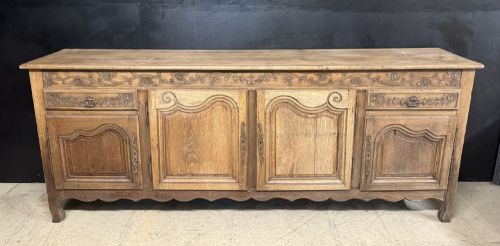
When you search for a vintage dining server, you encounter a variety of heavy timber furniture designed for food presentation and storage in the dining room. These pieces range from substantial Victorian mahogany sideboards and chiffoniers to streamlined Art Deco designs in burr walnut and oak.
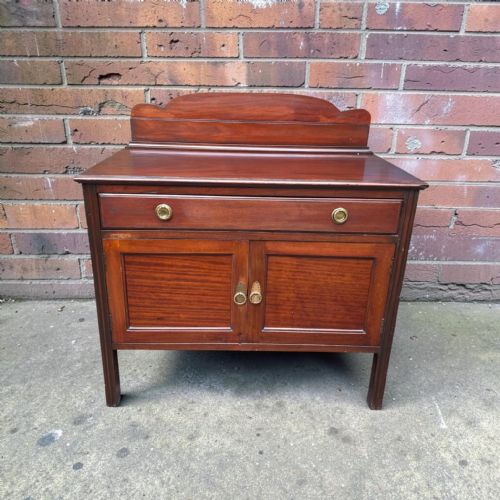
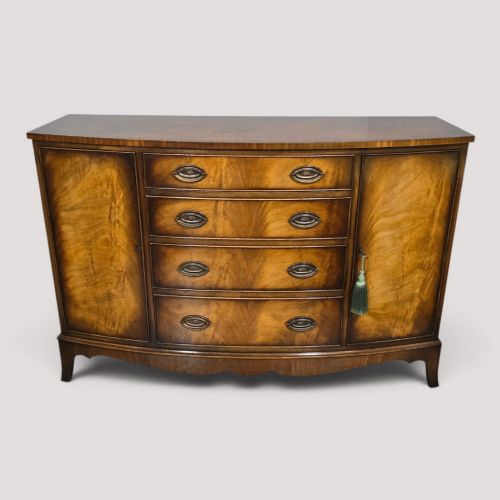
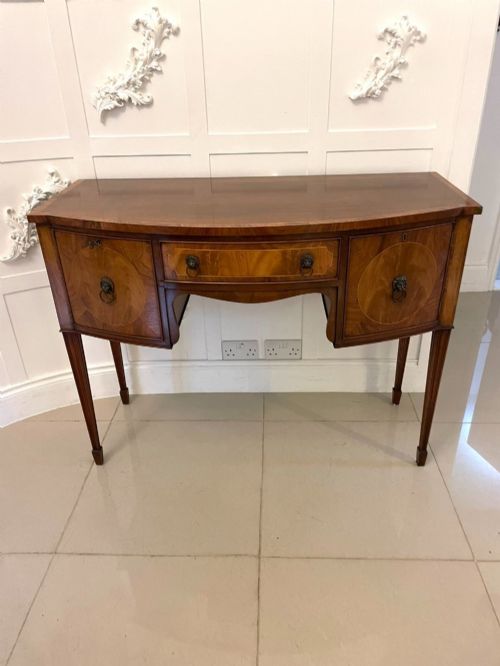
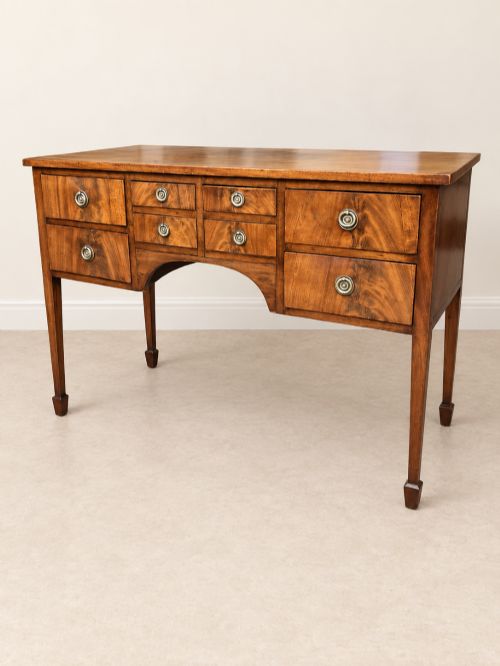
The most common forms on this page include bow-fronted sideboards, serving tables, dumbwaiters, and compact cupboards dating from the Georgian period through the 1930s. Makers and manufacturers utilise specific woods like mahogany, oak, and satinwood to suit the prevailing style of each era.
Buyers select these items to anchor a dining space with period character while gaining practical drawers and cupboards for tableware. Whether you choose a Regency pedestal design or a 1930s cabinet, each server reflects the hosting customs of its decade.
Materials and construction methods
Makers constructed these servers using solid and veneered hardwoods, relying heavily on figured mahogany, oak, and burr walnut to create visually striking cabinet fronts. Cabinetmakers applied decorative techniques such as boxwood stringing, cross-banding, and carving to enhance the natural grain of the timber.
Structural integrity depended on traditional joinery, including dovetail joints for drawer construction and mortise and tenon joints for frames. Ironmongery, brass handles, lion paw feet, and glass panels were added to complement the timber and elevate the formal appearance of the sideboard.
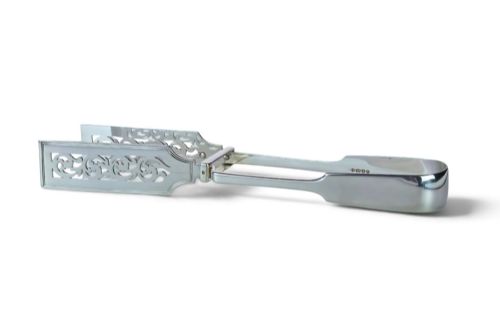
Silver ham bone holders ensured Victorian hosts maintained a firm grip on slippery joints while carving at the dinner table.
Factors that distinguish quality
Quality in a vintage dining server rests on the selection of timber veneers, such as matched flame mahogany or burr walnut, and the precision of the cabinetmaker's hand-cut joints. Superior examples feature thoughtful proportions, harmonious inlay work, and robust internal shelving that withstands daily use.
The distinction between standard production and exceptional work often lies in secondary woods, original hardware, and refined carving details rather than sheer size. Pieces bearing attribution to known designers or prominent firms generally display a higher standard of finishing inside the drawers and cupboards.
Maurice Adams·Gomme·Roberts Cadman·Christofle Gallia
The Vintage Dining Server Glossary
- Sideboard
- A large dining room cabinet fitted with cupboards and drawers for storing cutlery and serving dishes. It serves as the primary surface for food presentation during meals.
- Bow front
- A convex, curved cabinet front that projects outward in an arc shape. This design softens the angles of the room and highlights figured wood grains.
- Dumbwaiter
- A multi-tiered freestanding serving stand used to hold plates, glasses, and food dishes near the dining table. It allowed diners to help themselves without servants present.
- Chiffonier
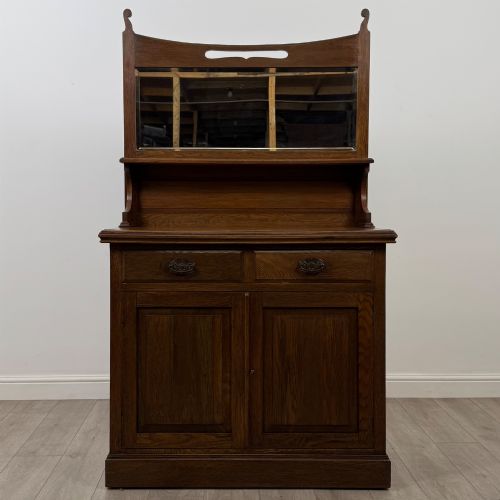
- A compact sideboard or low cupboard featuring shelves or a small superstructure on top. Victorian versions often include mirror backs or enclosed storage.
- Serpentine front
- A furniture front characterised by a concave central section flanked by two convex ends, resembling the curves of a snake. This sophisticated shape required advanced woodworking skill.
Vintage Dining Server: Frequently Asked Questions
What is a vintage dining server used for?
These pieces serve as practical storage units for tableware, linens, and cutlery while providing a surface area for laying out dishes during meals. Historically, they relieved the dining table of clutter and allowed hosts to organise food service efficiently.
Today, they function as both display furniture and functional storage in modern dining spaces. Their cupboards and drawers accommodate modern hosting accessories while maintaining period charm.
Are Art Deco servers different from older styles?
Art Deco servers discard historical revival motifs in favour of streamlined silhouettes, geometric symmetry, and exotic veneers like burr walnut and sycamore. They emphasise clean lines and smooth surfaces over elaborate carving.
These 1930s designs often integrate smoothly into contemporary interiors due to their unadorned elegance and practical storage layouts. They represent a distinct shift toward modernism in domestic furniture design.
How do I care for a mahogany server?
Protect the timber by avoiding placement in direct sunlight or near heat sources, which can cause the wood and veneer to dry out and split. Dust regularly with a soft, dry cloth and apply a quality beeswax periodically to nourish the finish.
Use coasters and felt pads under serving dishes and objects to prevent water rings and scratches on the polish. Gentle handling ensures the antique polish and surface retain their depth over time.