




Vintage Diamond Ear Studs
These vintage diamond ear studs bring historic character and enduring brilliance to the lobe, spanning periods from Victorian to Mid-Century.
Vintage Diamond Ear Studs
Vintage diamond ear studs encompass precious ear ornaments featuring central diamonds set in metals such as platinum, 18ct yellow gold, 18ct white gold, and 9ct white gold. The selection spans distinct historical eras including Victorian, Edwardian, Art Deco, and Mid-Century designs.
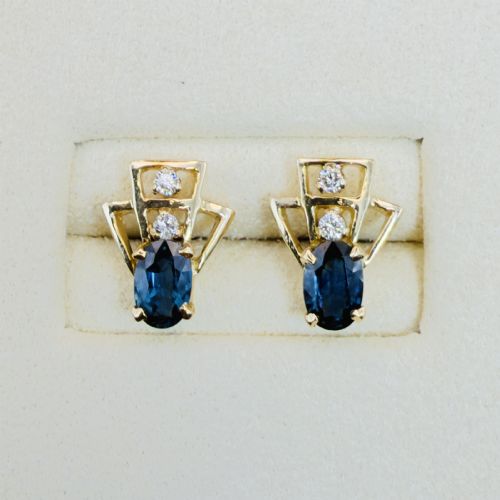
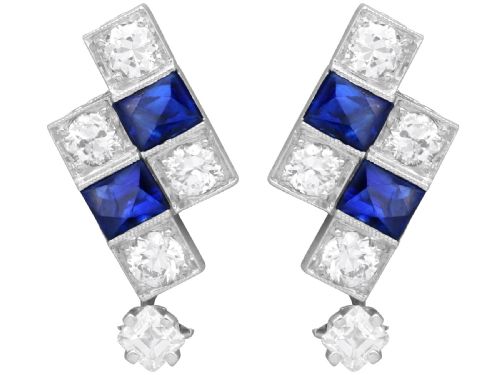
Buyers will encounter single-stone diamond studs alongside complex cluster arrangements incorporating coloured gems like sapphires, emeralds, aquamarines, pearls, and amethysts. Formats range from traditional solitaire studs to cluster configurations and drop clusters.
The evidence shows these pieces originating from diverse eras, with the 1920s, 1930s, and 1950s well represented alongside earlier Victorian and Edwardian examples.
How they were made
Goldsmiths utilised durable white and yellow metals, mounting precious stones in platinum and various grades of gold including 14ct and 18ct variants. Claw settings and cluster formations secure the stones firmly while allowing light to enter the facets.
Craftsmen cut diamonds by hand or machine into distinct profiles, including old cut, old rose cut, marquis cut, and oval cuts. These historical cutting methods produce unique light reflection patterns characteristic of their specific eras of production.
What varies in quality
The choice of precious metal alters the character of each piece, with platinum and high-carat or white golds offering different weights and visual backdrops for the stones. Integration of secondary gems like emeralds and sapphires introduces variation in colour saturation and stone pairing.
Design complexity distinguishes simpler solitaires from intricate cluster arrangements featuring pearls, amethysts, or complex geometric metalwork. The age and specific cutting style of the diamonds further determine the visual depth and historical integrity of the jewellery.
The Vintage Diamond Ear Studs Glossary
- Old cut
- An earlier diamond cutting style characterised by a smaller table, higher crown, and larger culet. This traditional facet arrangement produces a softer, warmer gleam under candlelight.
- Cluster
- A setting arrangement where a central gemstone is encircled by a border of smaller stones. This format maximises visual presence and combines diamond brilliance with coloured gems.
- Platinum
- A dense, strong white metal utilised historically for secure gemstone settings. Its durability allows for delicate, fine metalwork without risking structural failure.
- Rose cut
- A vintage diamond cut featuring a flat base and a domed crown with triangular facets. It resembles an opening rosebud and offers a subtle, translucent shimmer.
- Solitaire
- A jewellery mounting featuring a single focal gemstone. In ear studs, this showcases an individual diamond's specific cut and clarity.
Vintage Diamond Ear Studs: Frequently Asked Questions
What periods do these earrings come from?
The available pieces span the Victorian, Edwardian, and Art Deco eras, alongside selections from the 1930s, 1940s, and Mid-Century modern periods.
This variety allows buyers to select specific historical design aesthetics, from early rose cut diamond clusters to geometric twentieth-century platinum mounts.
Which metals are used in these settings?
Makers utilised platinum alongside various purities of gold, including 9ct, 14ct, and 18ct variants in both yellow and white tones.
White metals like platinum and white gold predominate in Art Deco designs, whereas yellow gold frequently anchors Victorian and Edwardian cluster pieces.
Are coloured stones combined with the diamonds?
Numerous pieces incorporate secondary gemstones alongside the diamonds, including emeralds, sapphires, aquamarines, amethysts, and pearls.
These coloured stones appear in cluster arrangements, flower motifs, and drop configurations from the 1920s and 1930s.
How do old cut diamonds differ from modern ones?
Older cutting techniques produced stones with distinct facet proportions, smaller tables, and larger culets designed to catch gaslight and candlelight.
These historical cuts display a unique charm and softer light dispersion compared to contemporary brilliant-cut stones.