


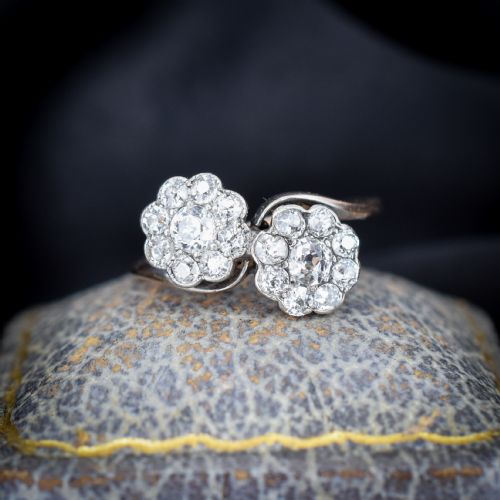

Vintage Diamond Daisy Ring
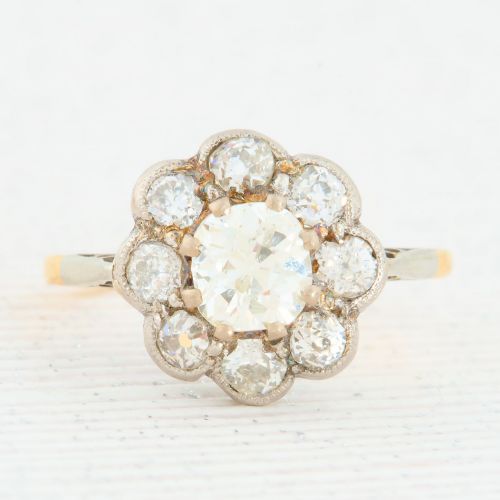
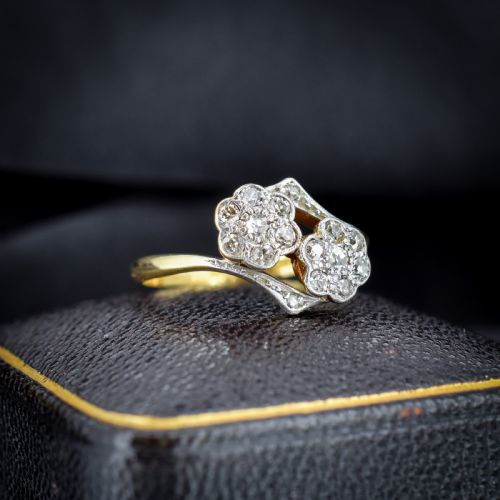
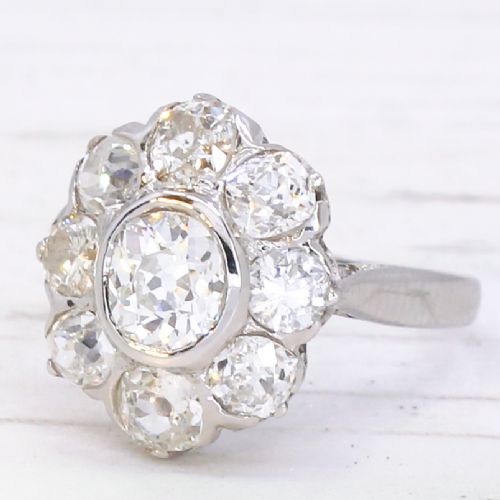
A vintage diamond daisy ring groups stones into a floral cluster, combining old cut diamonds with precious metal settings.
Vintage Diamond Daisy Ring
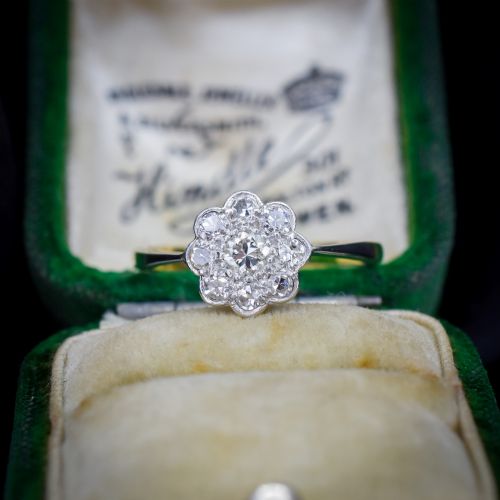
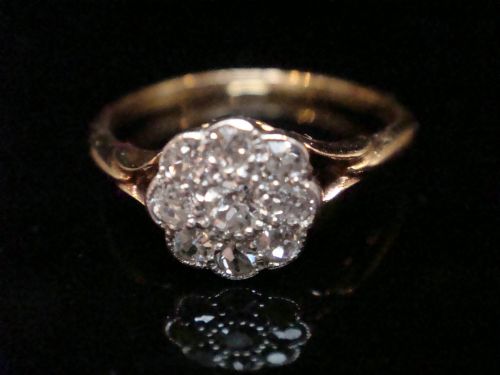
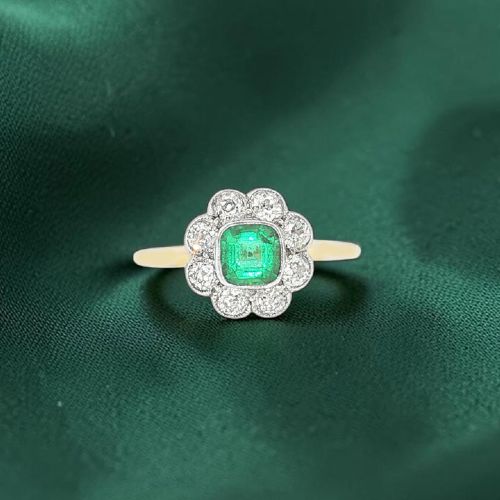
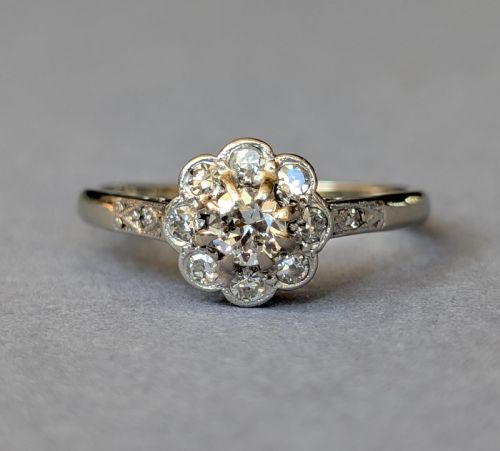
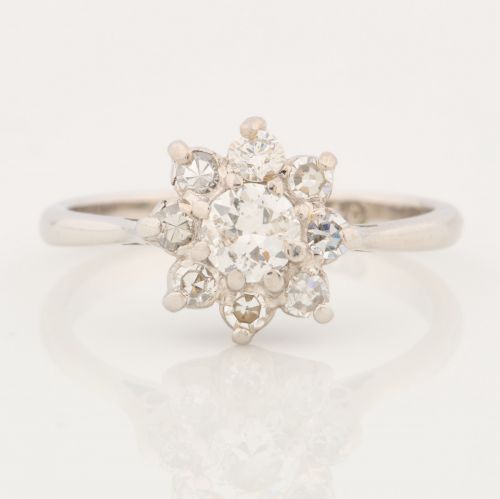
A vintage diamond daisy ring presents a central diamond encircled by smaller stones to form a floral motif. This design appears frequently across Edwardian, Victorian, and Art Deco periods, surviving in various ring forms.
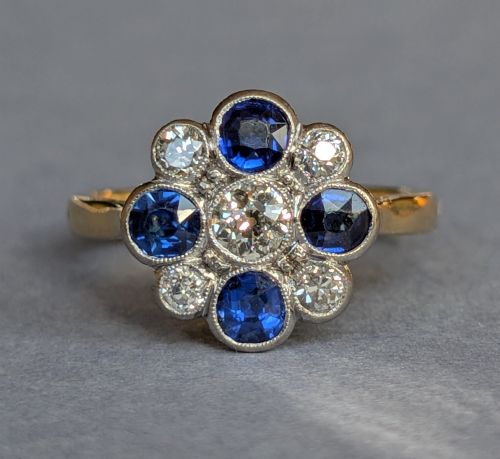
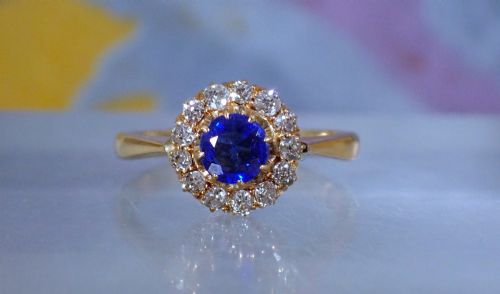
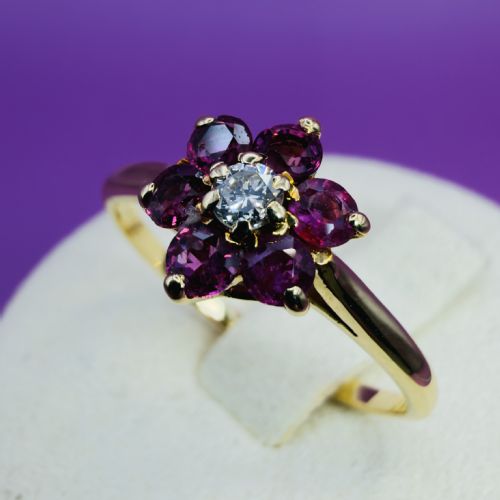
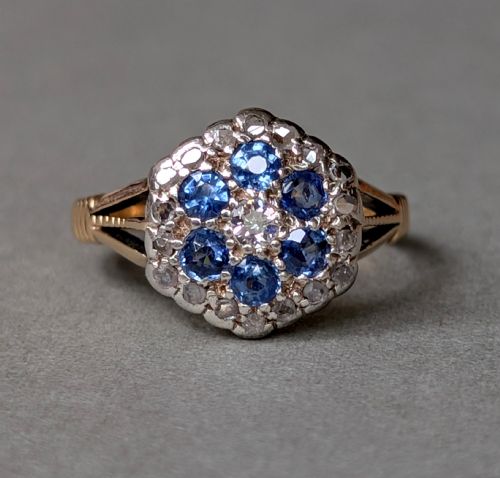
The materials span platinum, yellow gold, white gold, and twenty-two carat gold, sometimes incorporating sapphires or rubies alongside the diamonds. Edwardian and Art Deco examples dominate the selection, showing distinct styles from the early twentieth century.
Most pieces function primarily as rings, though the records also encompass drop earrings sharing the same daisy cluster configuration. Buyers encounter mounting styles that pair yellow gold shanks with platinum settings for the stones.
What Varies In Quality
The distinction between tiers rests upon the carat weight of the diamonds, the purity of the precious metals, and the precision of the cluster arrangement. Heavier platinum and gold weights combined with larger stone sizes elevate the composition.
Execution of the floral motif separates standard workshop output from finer examples, visible in how closely the surrounding stones mimic petals around the centre. The integration of platinum settings on gold shanks requires careful metalwork to achieve balance.
Vintage Diamond Daisy Ring Retail Price Guide 2026
Typical asking prices for vintage diamond daisy ring among the pieces listed under this phrase on Sellingantiques today, from the lower quarter to the upper quarter. They describe what is for sale here now, not the wider market.
The Vintage Diamond Daisy Ring Glossary
- Cluster
- A stone setting arrangement where multiple smaller gems surround a larger central stone. This layout defines the floral aesthetic of the jewellery.
- Old Cut
- An early diamond cutting style featuring smaller tables and broader facets, common in pieces from the Edwardian and Victorian periods. These stones produce a distinctive softer light.
- Platinum
- A dense, durable white metal utilised extensively in Edwardian and Art Deco settings to hold diamonds securely without adding unwanted colour. Its strength permits fine, delicate claw work.
- Hallmark
- Official stamps applied to precious metals indicating purity, assay office, and date of manufacture. These marks help verify twenty-two carat and eighteen carat gold items.
Vintage Diamond Daisy Ring: Frequently Asked Questions
How do I date a daisy ring?
Dating relies on hallmarks, metal combinations, and stone cuts recorded in the piece. Edwardian and Victorian items often feature old cut diamonds paired with yellow gold.
Art Deco examples frequently utilise platinum settings and geometric frameworks. Consulting London hallmarks or specific period styles clarifies the manufacturing era.
What metal is best for a daisy ring?
Platinum provides strong, white prongs that enhance the appearance of diamonds without adding colour reflection. Yellow gold offers a warm contrast against white metal settings.
Selection depends on personal preference and the specific era of the jewellery. Many pieces combine both metals for structural and visual benefit.
Are all daisy rings diamond?
While diamonds form the primary focus of these floral clusters, some designs incorporate coloured stones. Sapphires and rubies occasionally appear alongside the diamonds in the petal arrangements.
These coloured variations span the same Edwardian and Art Deco periods as the diamond-only versions.
How do I wear an antique cluster ring?
Daily wear requires consideration of the raised cluster profile and the age of the setting. Pairing the piece carefully with wedding bands prevents friction against the outer stones.
Removing the ring during heavy manual tasks preserves the delicate platinum claws and gold shanks.