

Vintage Desk Portrait
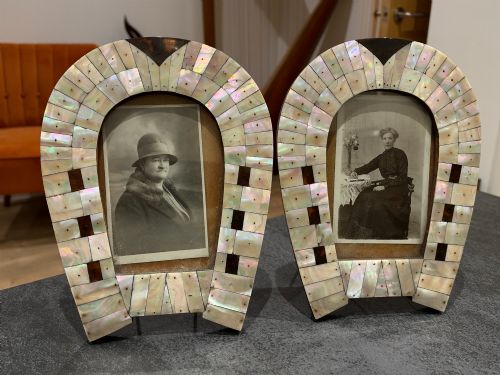
A vintage desk portrait brings character to a room, offering a glimpse into past lives through framed photographs, busts and paintings.
Vintage Desk Portrait
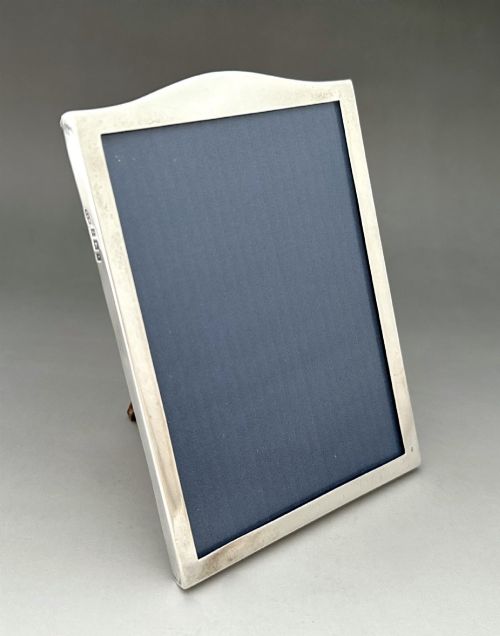
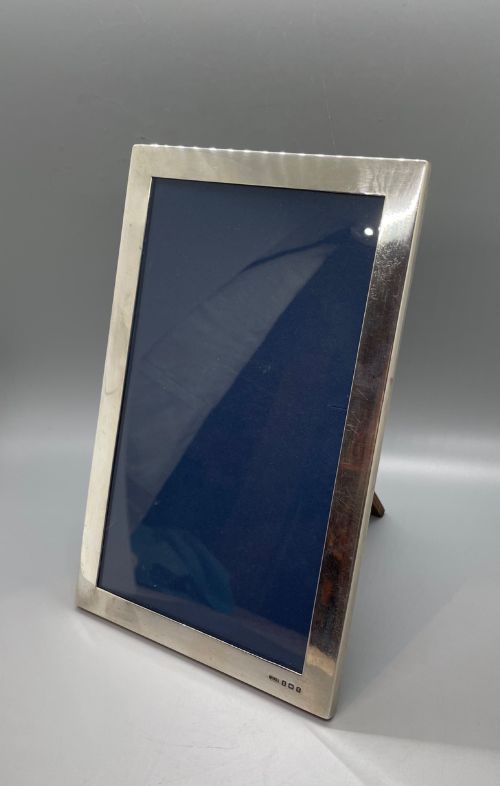
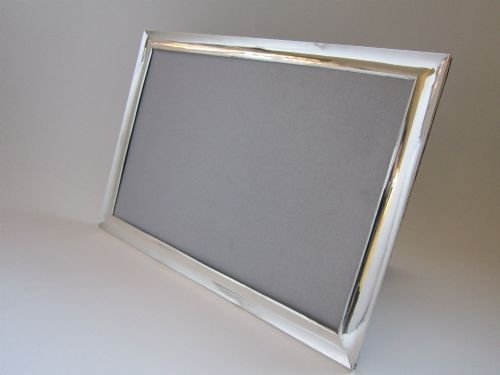
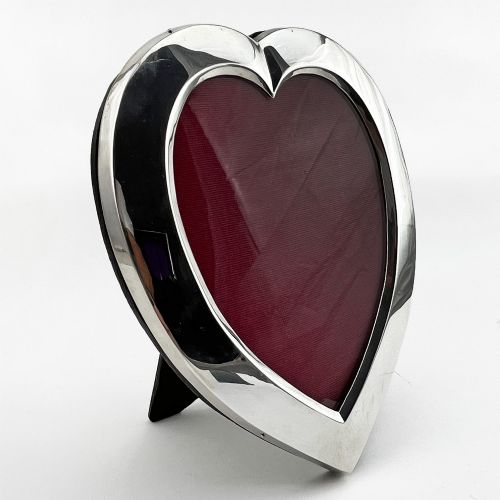
A vintage desk portrait encompasses a range of items designed for personal workspaces, predominantly featuring picture frames, photograph frames, busts and paintings. These objects bridge the gap between functional desktop accessories and sculptural art.
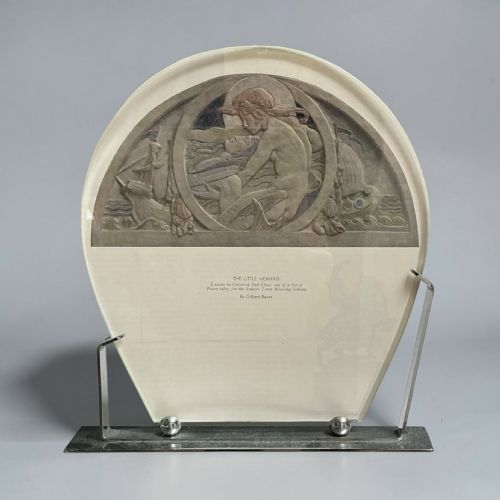
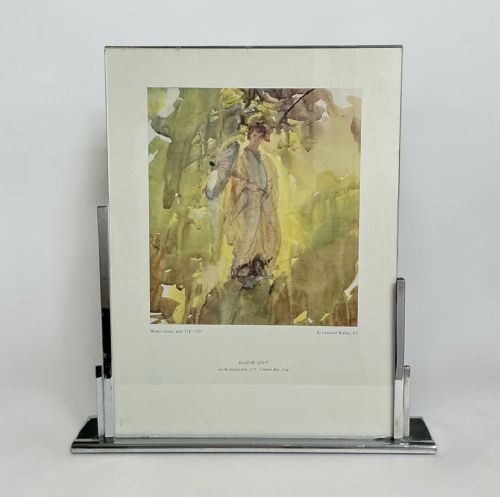
The selections available span several decades, drawing heavily on pieces from the Edwardian era, the George V period, and the Art Deco years. Buyers encounter both small travelling frames and larger decorative pieces intended for permanent display.
Materials such as sterling silver, wood, glass, and plaster shape the physical presence of these items. They serve as personal mementoes or artistic representations of historical figures and everyday subjects alike.
Materials and construction methods
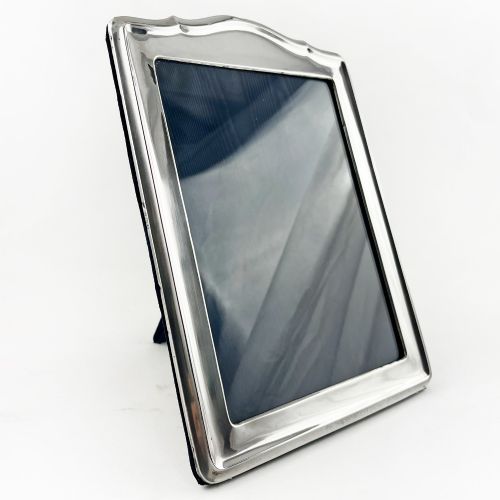
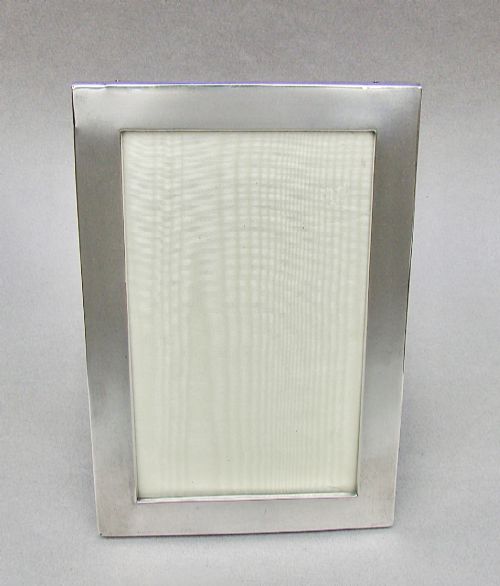
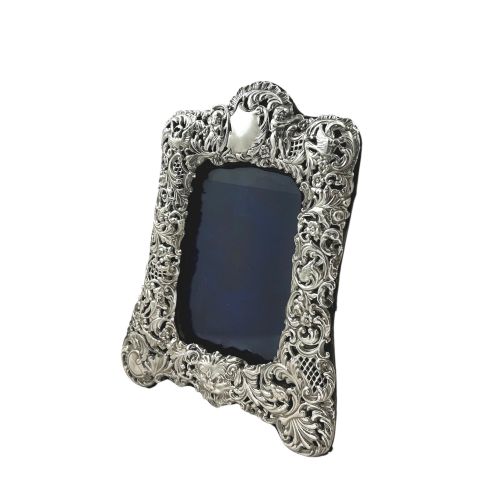
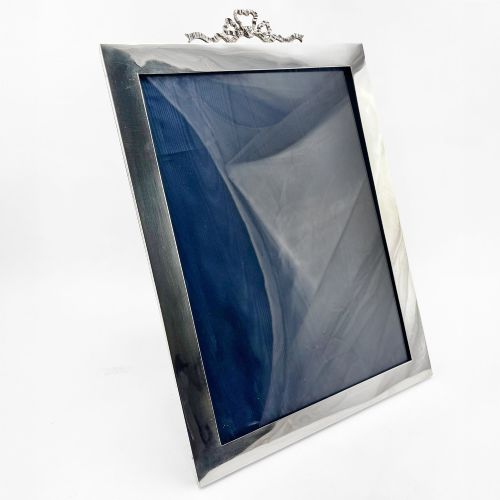
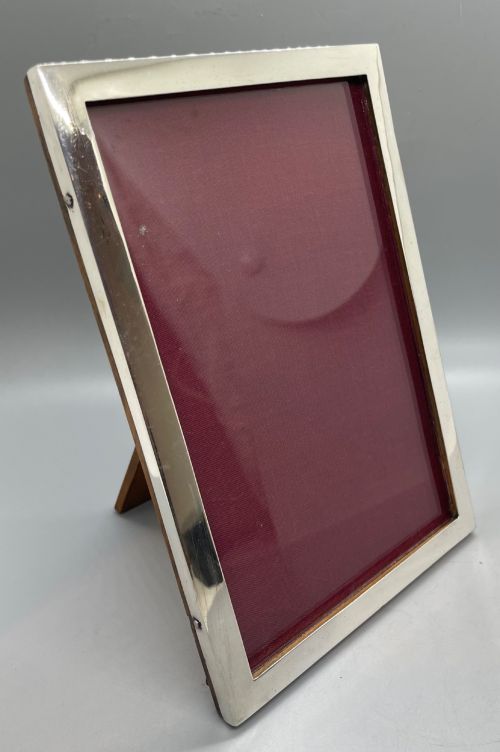
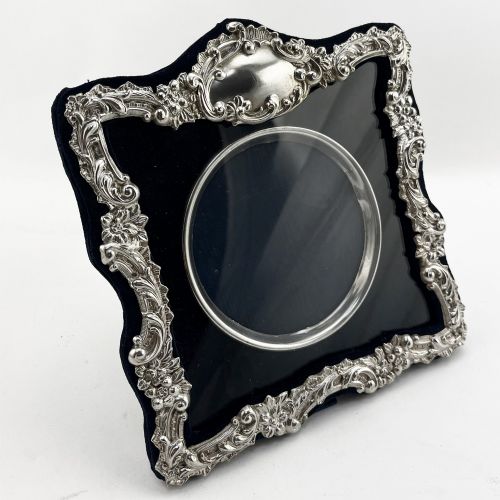
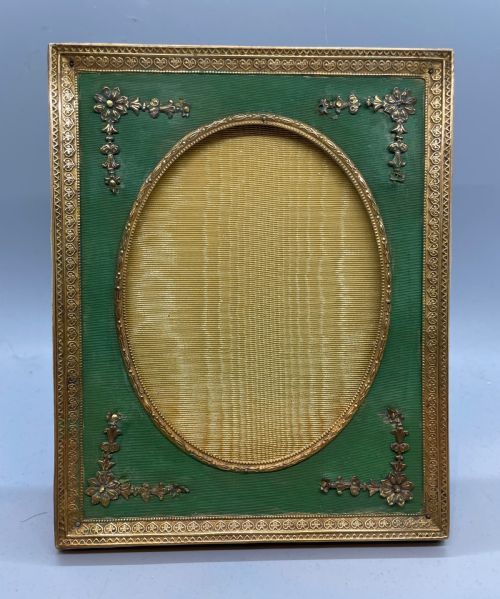
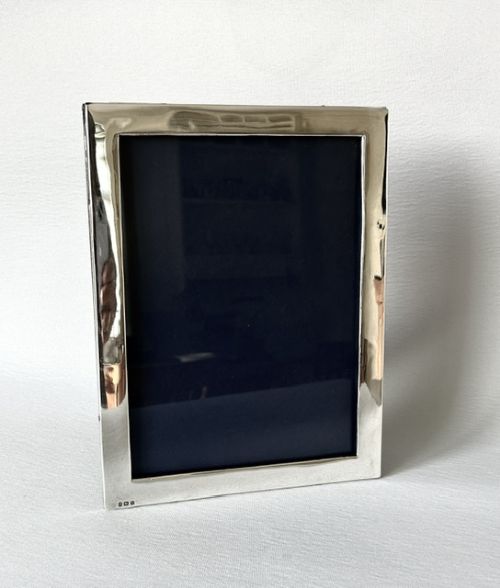
Metalworking forms a significant part of the selection, utilising sterling silver and ormolu shaped through techniques like engine turning, embossing, and plain border casting. Makers often mounted these metal fronts onto wooden backs with velvet or fabric linings.
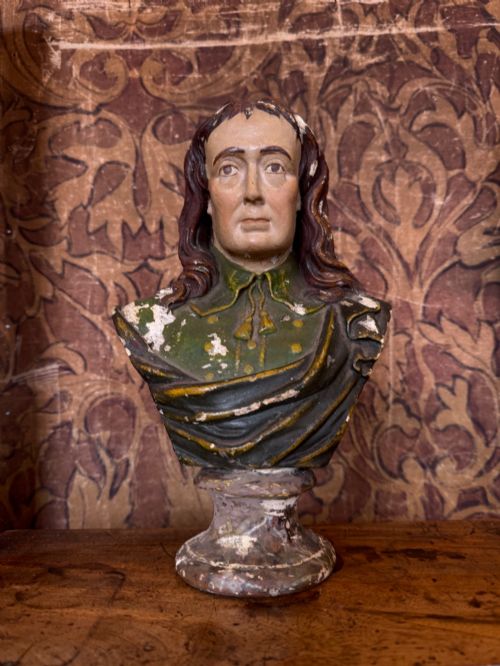
Sculptural pieces rely on moulded plaster and cast bronze to capture intricate facial details on busts of literary and historical figures. These methods allow for smooth finishes and durable structures suitable for daily placement on a desk.
Vintage Desk Portrait Retail Price Guide 2026
Typical asking prices for vintage desk portrait among the pieces listed under this phrase on Sellingantiques today, from the lower quarter to the upper quarter. They describe what is for sale here now, not the wider market.
Materials represented include sterling silver, bronze, plaster, wood, velvet, and glass.
Distinctions in craftsmanship
The intricacy of surface decoration sets different examples apart, ranging from simple plain borders to deeply embossed swept tops and engine-turned patterns. Precision in metal stamping and the weight of the silver contribute to the overall substance of a frame.
In sculptural busts, the crispness of the casting and the quality of the painted plaster finish determine the fidelity of the likeness. The integration of structural elements like wooden stands and fabric backings also reflects the original standard of production.
William Comyns·W.I. Broadway and Co·Giuseppe Moretti·Raffaelo Monti·Pinci Roma
The Vintage Desk Portrait Glossary
- Sterling silver
- A silver alloy containing 92.5 percent silver by mass, widely utilised in British photo frames for its durability and bright finish.
- Engine turned
- A decorative technique involving precise geometric patterns mechanically engraved into a metal surface, frequently seen on George V items.
- Ormolu
- A gilded bronze or brass application used during the Edwardian period to provide a rich gold-coloured finish on decorative objects.
- Embossed
- A method of raising a design from the surface of metal by hammering or pressing from the reverse side.
- Bust
- A sculpted or cast representation of a person's upper chest, shoulders, and head, often rendered in bronze or plaster.
Vintage Desk Portrait: Frequently Asked Questions
What defines a vintage desk portrait?
A vintage desk portrait generally refers to framed photographs, painted portraits, or small busts intended for display on a writing table.
The items span periods from the nineteenth century through the mid-twentieth century, incorporating materials like silver, wood, and plaster.
How were these frames used originally?
These frames held photographs of family members, colleagues, or notable figures on writing desks and side tables in domestic and professional settings.
Many included folding stands and velvet-lined backs for ease of movement and placement.
How do I identify an Edwardian silver frame?
Edwardian silver frames often feature hallmarks indicating the year of assay and the city of manufacture, such as Birmingham marks from the early nineteen hundreds.
Stylistic elements like Art Nouveau curves and floral embossing frequently point toward this era.
Where were these metal frames made?
A large proportion of the silver frames originate from British workshops in cities like Birmingham, bearing traditional silversmith assay marks.
Others stem from continental makers in Italy, utilising alternative silver purities such as 800 silver alongside distinct regional designs.