





Vintage Desk Easel
When you search for a vintage desk easel, you are looking at functional supports and frames designed to hold books, clocks, mirrors, and photographs upright on a desktop.
Vintage Desk Easel
A vintage desk easel encompasses various practical items designed for desktop use, ranging from reading stands and music lecterns to hinged picture frames and table mirrors equipped with rear support struts. The pieces catalogued here span multiple periods, including the Victorian era, the Edwardian period, and the Art Deco years, alongside forms originating in the nineteenth and twentieth centuries.
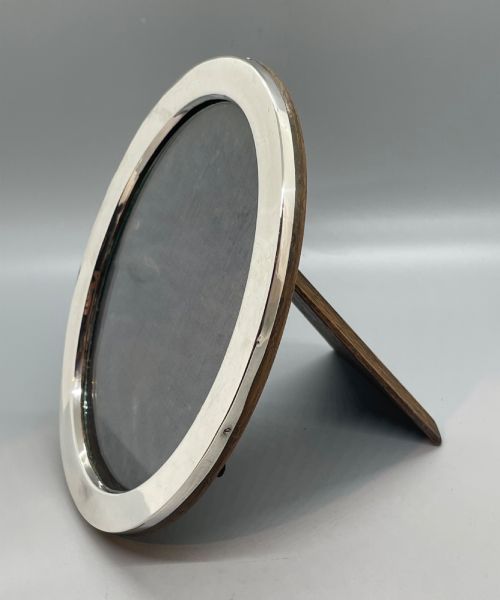
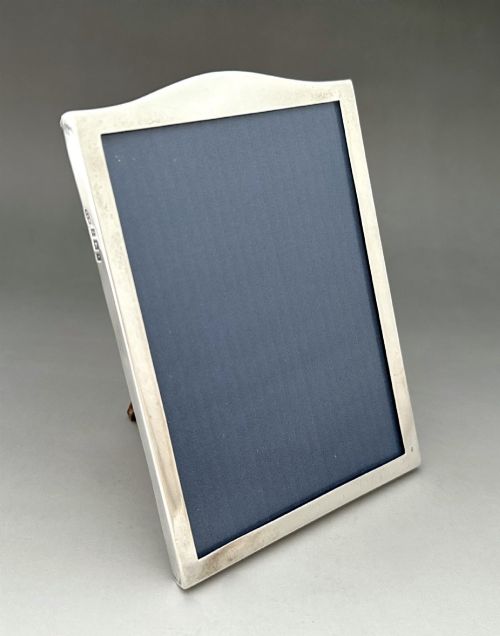
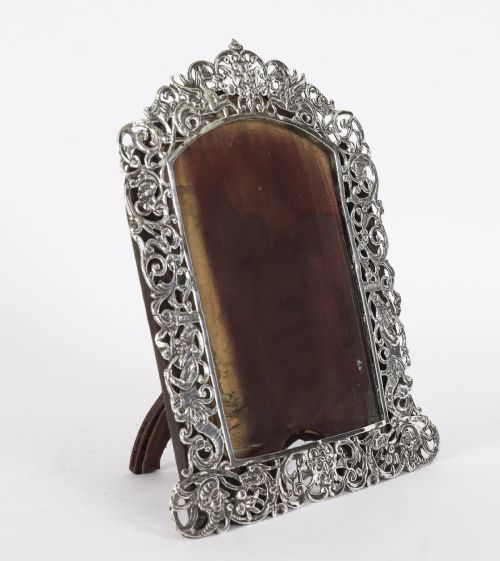
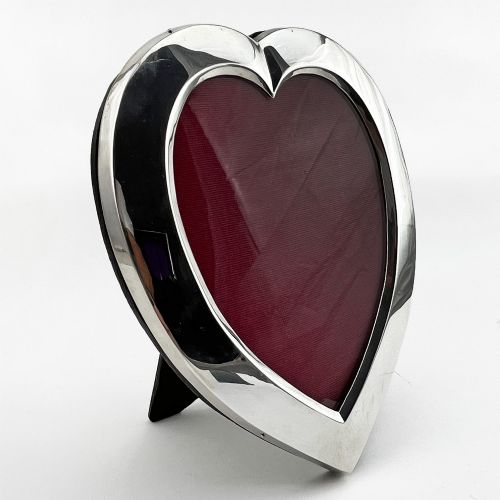
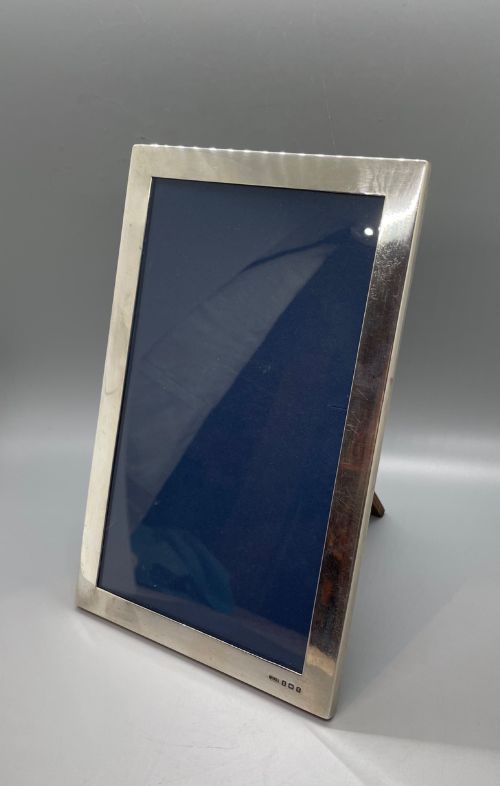
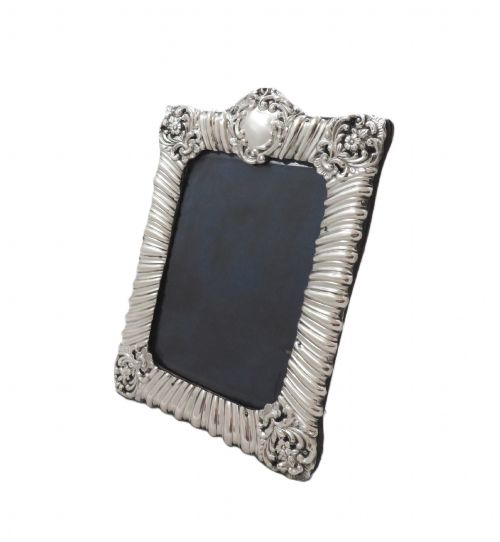
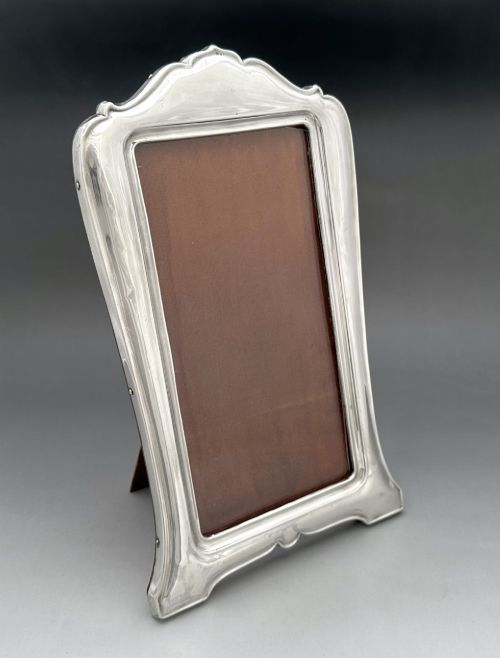
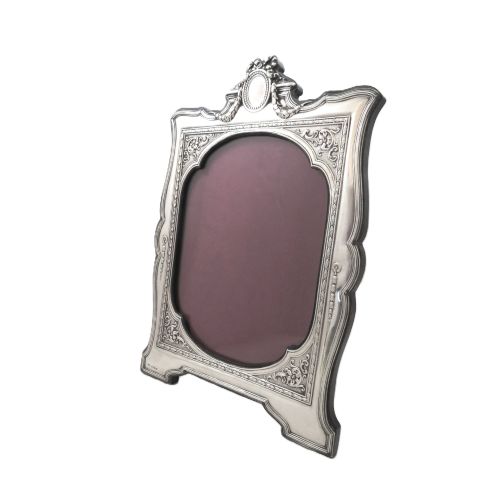
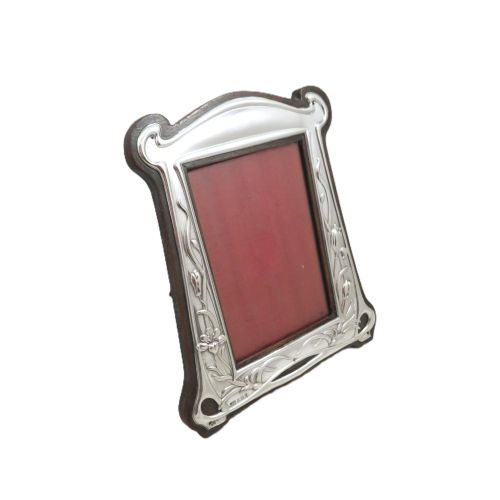
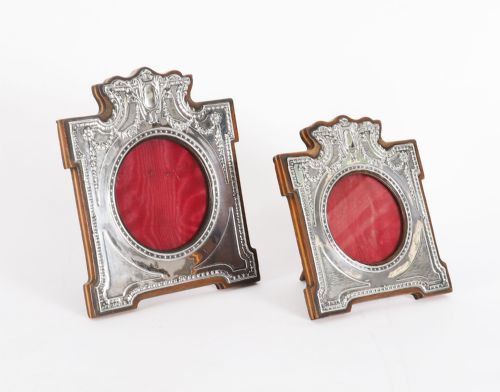
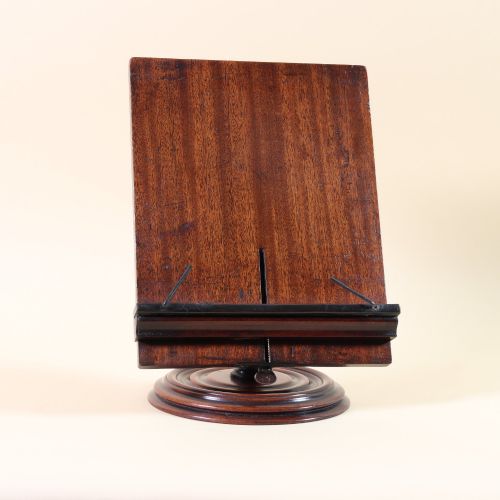
While the literal search phrase points to desk easels, the physical evidence on this page demonstrates that buyers most frequently encounter related items that utilise the same foundational folding rear-strut mechanism. These include silver photo frames, brass table clocks, and mahogany book rests rather than artists' easels.
Origins represented in these items include English, Italian, and French workshops, utilising regional styles from French Chateau to Renaissance Revival and classic English designs. The forms serve both utilitarian and decorative purposes, appearing in materials that range from precious metals to carved woods.
Materials and construction methods
The objects recorded here rely heavily on sterling silver, solid silver, and gilt brass for metalwork frames and clock cases, often paired with glass panels and supportive wooden backs lined in velvet or leather. Silversmiths utilised embossing, engraving, and plain borders to finish metal surfaces, sometimes incorporating champlevé enamel for colour and detail.
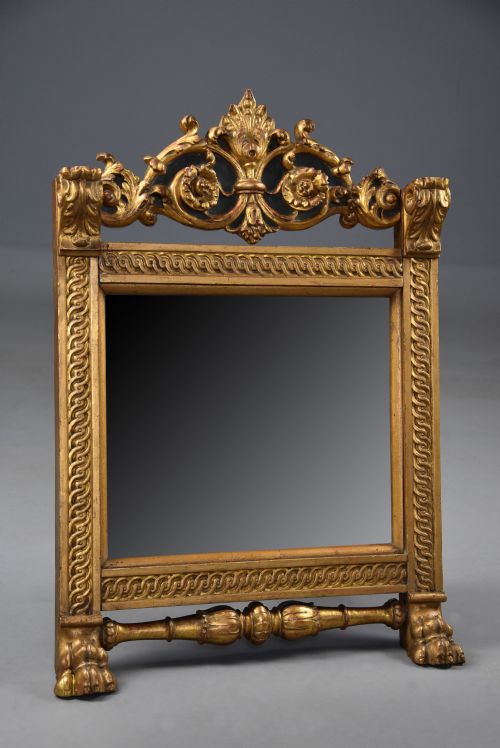
Wooden items, such as library chairs, reading stands, and music lecterns, employ mahogany, walnut, and oak, frequently incorporating adjustable iron mechanisms or carved giltwood. These pieces combine structural joinery with hinged folding struts or brass ratchets to allow variable angles of elevation for books, sheet music, or mirrors.
Vintage Desk Easel Retail Price Guide 2026
Typical asking prices for vintage desk easel among the pieces listed under this phrase on Sellingantiques today, from the lower quarter to the upper quarter. They describe what is for sale here now, not the wider market.
Materials recorded across the inventory include glass, velvet, brass, mahogany, and champlevé enamel combined with silver and metal.
Assessing quality and craftsmanship
Quality in these desktop pieces rests upon the weight of the metal utilised, the crispness of the chased or embossed silver decoration, and the integrity of the structural joints. Pieces created by established makers display superior handling of materials, whether in the precision of a silver picture frame border or the smooth operation of an adjustable wooden book rest.
The condition and retention of original components, such as leather or velvet backing boards, glass panels, and mechanical hinges, elevate certain examples above others. Heavier gauge silver, intricate hand-carving on giltwood or mahogany, and fully operational mechanical struts separate standard utilitarian items from finer examples.
Rosenthal, Jacob & Co.·William Comyns·Mappin Bros·Carters Of London·Smiths Clockmakers·Deakin & Francis
The Vintage Desk Easel Glossary
- Strut
- A hinged prop attached to the reverse of a frame, clock, or mirror that allows it to stand upright on a flat surface.
- Champlevé
- An enamelling technique where trenches are sunken into a metal surface and filled with vitreous enamel before firing.
- Bergère
- An enclosed armchair with stuffed upholstery and cane panels set into the wooden frame.
- Giltwood
- Wood that has been treated with a thin layer of gold leaf or gold paint to simulate solid gold.
- Lectern
- A slanted reading desk or stand designed to hold a book or music score at a readable height.
Vintage Desk Easel: Frequently Asked Questions
What is a desk easel used for?
These pieces function as desktop supports to hold reading material, photographs, small mirrors, or timepieces at a comfortable viewing angle.
They combine utility with decorative display, remaining easily repositioned on desks, tables, or mantelpieces.
How do I identify an Edwardian silver frame?
Edwardian silver frames often feature hallmarks indicating Birmingham or Sheffield assay offices alongside dates spanning the early twentieth century.
Common motifs include embossed floral patterns, ribbons, bows, and plain polished borders backed with velvet or leather.
What materials are common in these items?
Sterling silver and brass form the majority of the metal frames and clock cases, frequently paired with glass and velvet linings.
Wooden pieces utilise mahogany, walnut, and oak, occasionally enhanced with giltwood details or cast iron adjustable mechanisms.
How do adjustable book stands work?
Adjustable book stands and music lecterns utilise mechanical ratchets, hinges, or wooden pegs to alter the viewing angle.
This allows the user to prop open heavy volumes or sheet music securely at various inclinations.