





Vintage Delft Vases
These vintage delft vases bring centuries of tin-glazed earthenware and painted blue patterns into a room, offering a distinctive historical touch.
Vintage Delft Vases
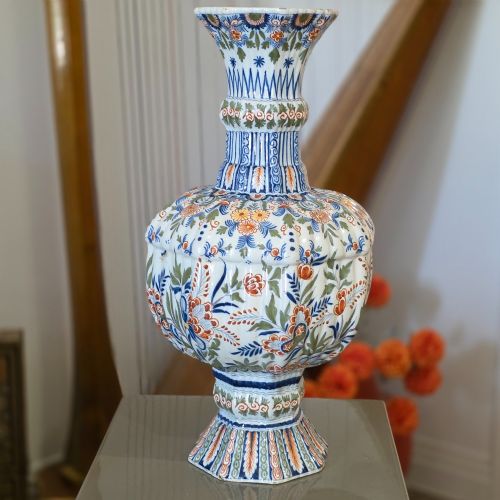
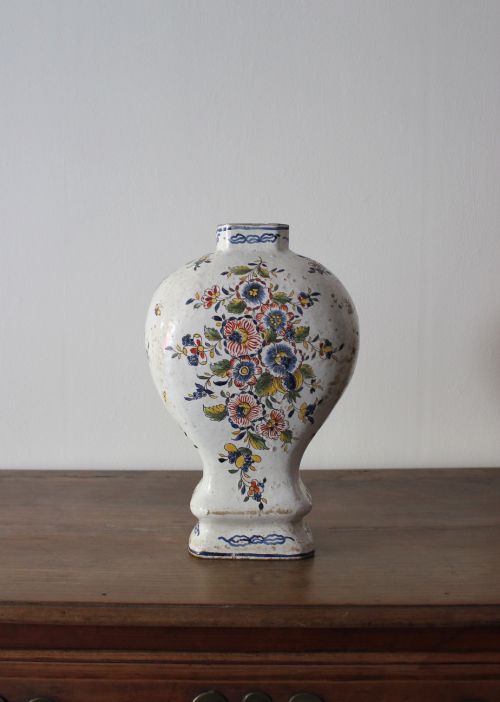
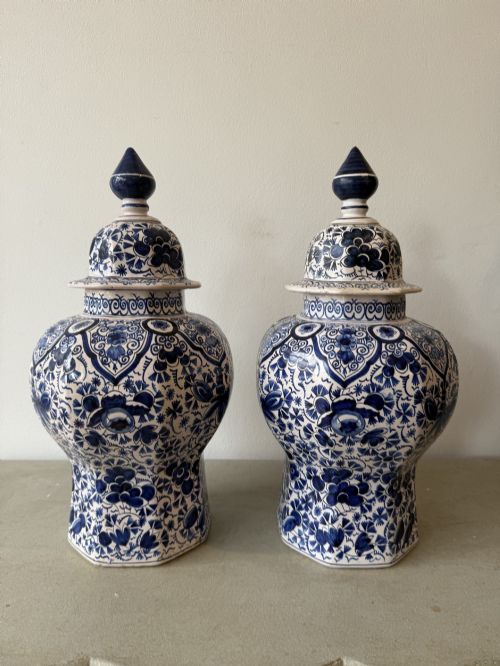
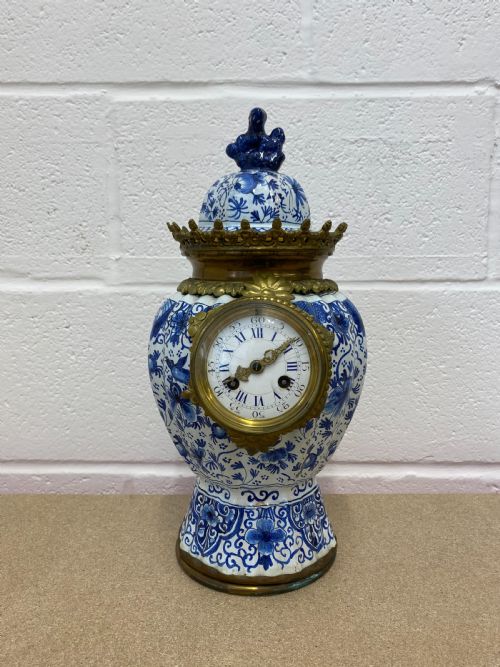
Vintage delft vases cover hand-painted earthenware vessels created across several distinct periods, including the eighteenth and nineteenth centuries, alongside pieces dating to nineteen-hundred and nineteen-forty. Collectors searching for vintage delft vases encounter various forms such as large single vessels, pairs of lidded jars, ribbed beaker vases, and occasional conversions into table lamps or clocks.
The aesthetic draws heavily from traditional Dutch delftware styles and Chinoiserie motifs, while occasional pieces reflect French Country influences or incorporate brass components. Forms range from simple decorative jugs and posy vases to substantial lidded vessels designed to make a strong visual statement in an interior setting.
How they were made
Makers shaped these objects using earthenware and ceramic bodies before applying a distinctive tin glaze to create a smooth, opaque white surface for subsequent painting. Artisans executed intricate blue and white patterns by hand, drawing inspiration from Chinoiserie traditions and classic European decorative motifs.
Certain pieces integrate brass fittings or feature structural modifications such as conversions into lamps and clocks, combining the ceramic body with functional hardware from later periods.
The listings feature earthenware and ceramic materials finished with tin glaze, spanning the eighteenth and nineteenth centuries.
What varies in quality
Quality rests in the precision and detail of the hand-painted blue decoration upon the tin glaze, where bolder, more accomplished brushwork separates finer examples from simpler production. The integrity of the ceramic body and the crispness of moulded details, particularly on ribbed beaker shapes and lidded vessels, also define the upper tier.
Provenance and period authenticity influence desirability, with eighteenth-century works displaying different characteristics compared to nineteenth-century interpretations or later twentieth-century decorative pieces.
The Vintage Delft Vases Glossary
- Tin Glaze
- A lead glaze rendered opaque by the addition of tin oxide. This coating provides the characteristic white background essential for traditional delft painting.
- Earthenware
- Porous pottery fired at relatively low temperatures. It serves as the primary ceramic body for these vessels.
- Chinoiserie
- European interpretations of Chinese artistic motifs. This style heavily influences the painted blue decoration seen on many delft pieces.
- Beaker Vase
- An open-topped vessel with a flared profile. These often appear in symmetrical pairs within the inventory.
Vintage Delft Vases: Frequently Asked Questions
Are these vases waterproof?
Many older tin-glazed vessels have porous ceramic bodies or have undergone conversions into lamps. It is generally safer to use them for dry display rather than holding water.
For pieces converted into table lamps or clocks, internal wiring and mechanical elements further preclude practical use as functional vessels.
How do I date a delft vase?
Dating relies on stylistic markers, the character of the tin glaze, and the specific potting techniques visible in the ceramic body. Eighteenth-century examples often show distinct potting traits compared to nineteenth-century productions.
Evaluating the blue pigments and hand-painted details helps establish whether a piece belongs to earlier Dutch traditions or later revival periods.
What is a lidded vase?
A lidded vase is a covered ceramic jar designed as a decorative object, frequently encountered in matched pairs. These vessels often feature blue and white painted scenes.
Their lids are integral to the symmetrical silhouette, completing the traditional display form popular in historic interiors.
Why are some converted to lamps?
Converting antique ceramics into table lamps was a common practice in the twentieth century to give older vessels a functional purpose in modern homes. This involved drilling the base or adding fitted hardware.
Such modifications integrate historical ceramics into contemporary lighting schemes while preserving the painted exterior design.