





Vintage Deer Decor
Vintage deer decor brings the rustic weight of the Scottish Highlands and country houses into a room.
Vintage Deer Decor
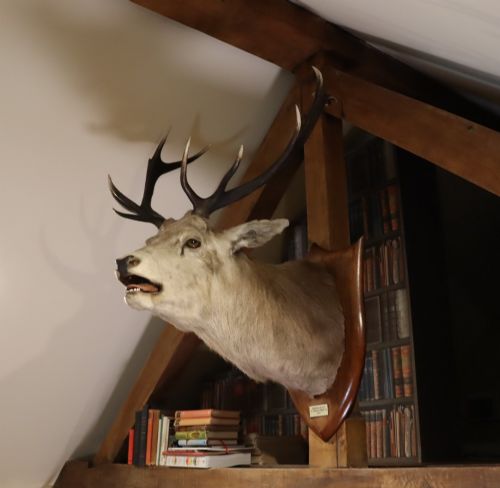
When you search for vintage deer decor, you find physical expressions of wildlife preserved through taxidermy, carved wood, cast metal and oil paint. These objects capture the enduring appeal of the chase and the solemn majesty of the forest.
The pieces you meet most often on this page date from the nineteenth century up through the nineteen-thirties, spanning Victorian hunting traditions and Art Deco styling. They range from grand mounted stags heads to painted folk art figures and framed oils.
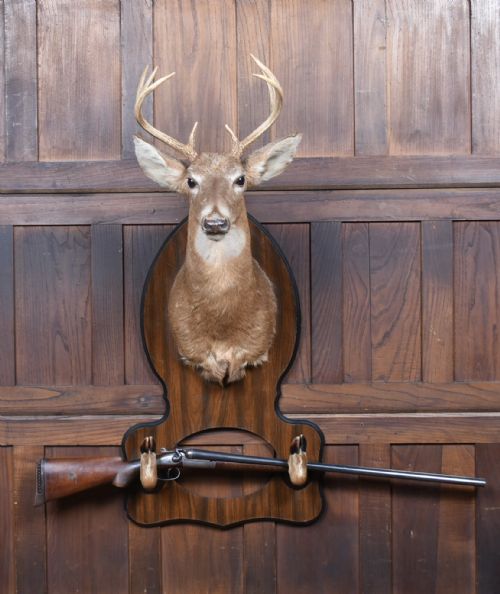
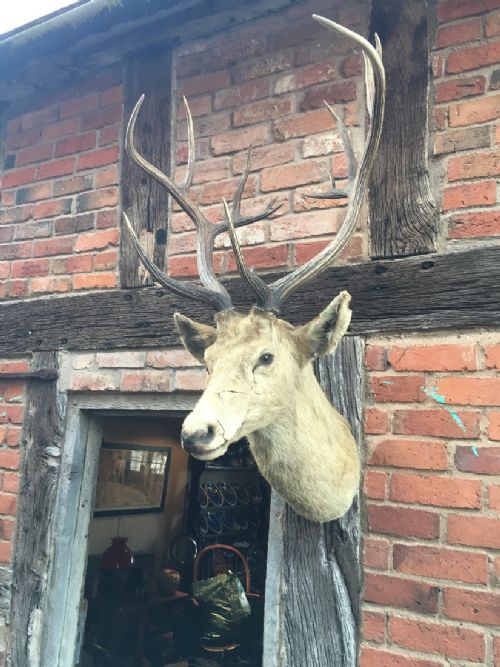
Forms include taxidermy mounts, wall sculptures, figurines, and carved wooden shields carrying natural antlers. Each object reflects an era that celebrated rural sporting life and natural history.
How they were made
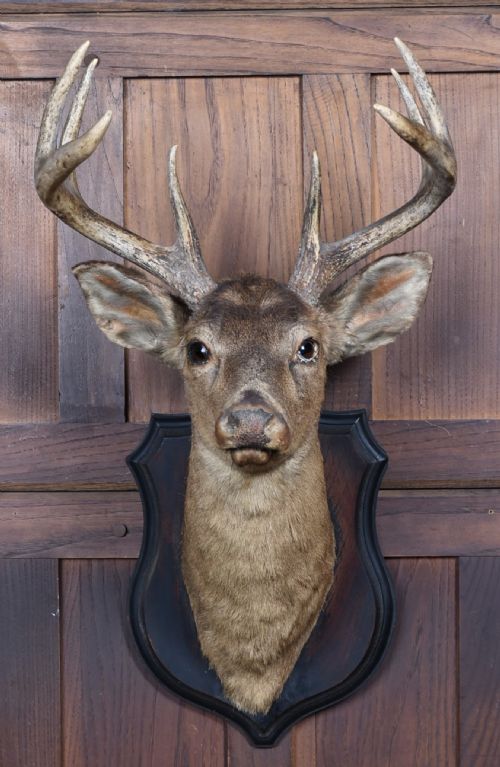
Taxidermy specimens utilise real hides, bone, and natural antlers mounted carefully upon wooden shields or forms. Craftsmen preserved animal skins and structured horns to maintain anatomical accuracy.
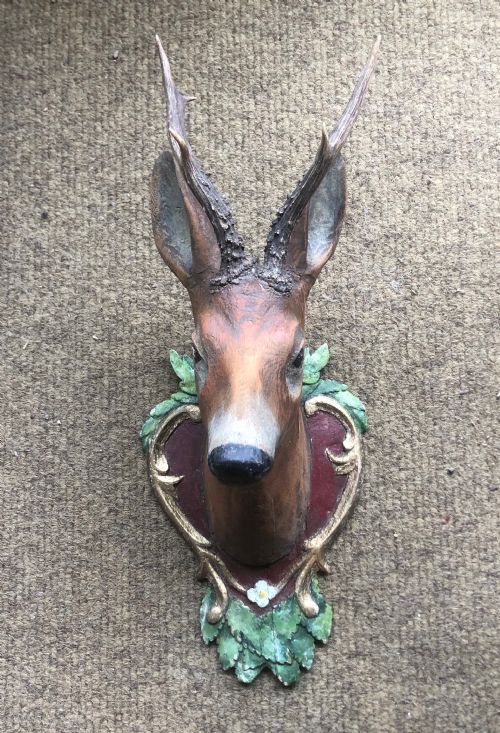
Metal sculptures employ spelter cast in moulds to depict stylized groups of deer, while other objects use carved oak and timber. Painted folk art pieces rely on hand-applied pigments over prepared wooden surfaces.
Artists also used traditional canvas and oil paint to render wildlife portraits, capturing texture with layered brushwork.
Vintage Deer Decor Retail Price Guide 2026
Typical asking prices for vintage deer decor among the pieces listed under this phrase on Sellingantiques today, from the lower quarter to the upper quarter. They describe what is for sale here now, not the wider market.
A Swedish folk art deer brings a cheerful, painted expression to the wall, proving that historical hunting lodges also had a playful side.
What varies in quality
The standard of taxidermy preservation dictates the visual impact of mounted specimens, separating lifelike forms from stiff or poorly maintained mounts. Natural materials like bone and antler show distinct variations in point count, symmetry, and scale.
Artisanal skill in carved wood and cast metal determines the crispness of detail in figurines and shields. Original painted surfaces and signed oil paintings carry greater depth of execution than later decorative copies.
Peter Spicer & Sons·William Crampton
The Vintage Deer Decor Glossary
- Taxidermy
- The art of preparing, stuffing, and mounting the skins of animals for display. It forms the foundation of most wall decor mounts in this category.
- Spelter
- An alloy of zinc and lead used as a cheaper alternative to bronze for casting decorative figures. Art Deco sculptors frequently utilised this metal for animal groups.
- Point
- An individual branch or tine on a deer antler. Collectors count these points to classify the size and maturity of the antlers, such as a twelve point set.
- Shield
- A wooden plaque shaped to hold mounted antlers or taxidermy heads for wall display. Carved oak versions often feature traditional British country house motifs.
- Folk art
- Utilitarian or decorative objects created by self-taught or provincial makers. Swedish painted examples use traditional motifs to depict animals.
Vintage Deer Decor: Frequently Asked Questions
How do I hang a heavy deer head?
Large taxidermy mounts and mounted antlers carry significant weight and require secure anchorage directly into wall studs or solid masonry. Use heavy-duty brackets or steel fixings rated for the load to ensure stable wall decor.
Position the piece at an appropriate height so the animal head is viewed from a natural perspective, allowing the antlers space away from surrounding shelves or low ceilings.
What periods do these pieces come from?
The pieces span the nineteenth century, the Edwardian era, and the nineteen-twenties and thirties. This covers Victorian hunting lodges through to Art Deco interiors.
Materials and mounting techniques shift across these decades, moving from ornate carved wooden shields to streamlined metal figures and folk art paintings.
How do I clean taxidermy hides?
Dust mounted hides gently with a soft brush or a dry cloth to remove surface particles without damaging the hair. Avoid water, harsh chemical cleaners, or direct sunlight, which degrades natural bone and hide over time.
Keep the room at a stable temperature and humidity level to preserve the organic materials used in taxidermy mounts and antler assemblies.
What is a Royal antler set?
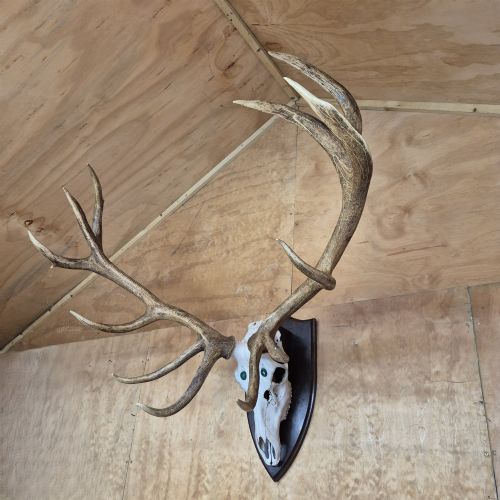
A Royal designation refers to a twelve point set of red deer antlers meeting specific traditional sporting criteria. These large spreads measure over a metre across and represent mature stags.
Such pieces were typically mounted on carved wooden shields to commemorate successful hunts in Highland lodges and country houses.