





Vintage Decorative Print
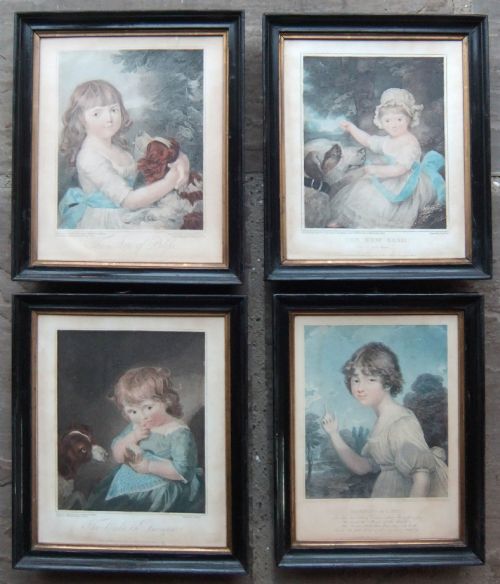
These vintage decorative print selections offer framed artistry and wall art spanning Georgian, Victorian, and Edwardian periods.
Vintage Decorative Print
When searching for a vintage decorative print, buyers look at framed wall art, architectural prints, and traditional textile panels originating from periods such as the Georgian, Victorian, and Edwardian eras. The selection on this page most frequently includes framed engravings, botanical or architectural drawings, and historic paper maps from the nineteenth and twentieth centuries.
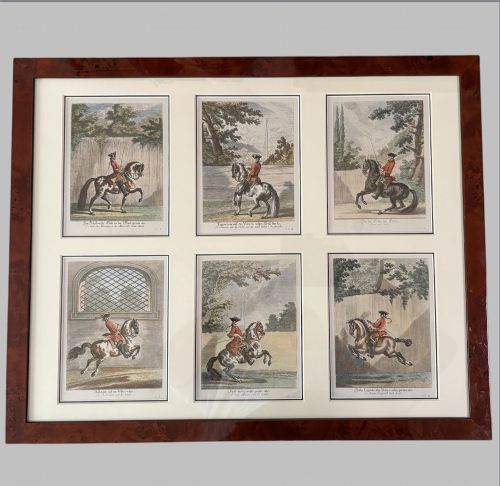
These items serve primarily to bring historical depth and character to interior spaces through wall hanging art and framed cartography. Pieces range from hand-coloured copper equestrian engravings to early twentieth-century architectural prints and fabric wall art.
Materials and construction methods
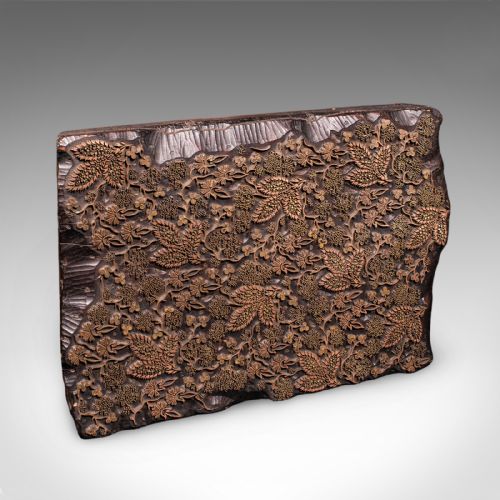
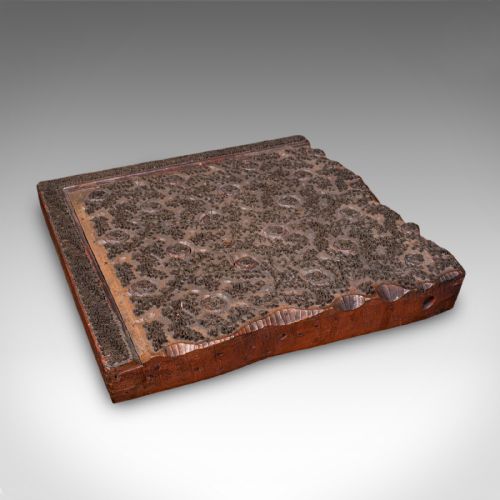
The objects on this page rely heavily on paper, ink, and wood, combined with glass for framing and occasionally brass or cardboard for related printing blocks and boxes. Artisans utilised traditional techniques such as copperplate engraving, hand-colouring, and block printing onto paper or textile bases.
Framing typically involves timber surrounds, sometimes oak, protecting fragile paper or card components from environmental degradation. The application of ink to paper or fabric remains central to the creation of these historical graphics.
Vintage Decorative Print Retail Price Guide 2026
Typical asking prices for vintage decorative print among the pieces listed under this phrase on Sellingantiques today, from the lower quarter to the upper quarter. They describe what is for sale here now, not the wider market.
A satirical biscuit tin disguised as a gentleman's satchel rubs shoulders with centuries of solemn cartography.
Factors influencing quality
Quality in these pieces depends largely on the clarity of the printed impression, the precision of any hand-applied colour, and the preservation state of the paper or textile substrate. Early impressions from copperplates exhibit sharper lines and finer detail than later or worn strikes.
The integrity of the original framing, the authenticity of the period materials, and the survival of makers' marks or specific cartographic details further distinguish finer examples from standard decorative items.
Ridinger·Minton Hollins·Liberty of London·William Hole·Peek Frean and Co·Howard and Sons·J. Mitan
The Vintage Decorative Print Glossary
- Engraving
- A printmaking technique where an artist cuts an image into a metal plate, usually copper, to hold ink for transfer onto paper under pressure. This method produces crisp, highly detailed lines characteristic of many Georgian and Regency works.
- Cartography
- The science or practice of drawing maps, represented here by antique atlas pages and regional maps from various centuries. These items often feature historical boundaries and decorative cartouches.
- Lithography
- A planographic printing process based on the repulsion of oil and water, commonly utilised for multi-coloured prints and sets of monthly illustrations in the nineteenth century.
- Kalamkari
- A traditional Indian method of hand painting or block printing on textile, yielding intricate wall hangings and temple paintings.
Vintage Decorative Print: Frequently Asked Questions
How do I hang antique prints safely?
Protect paper and frames from direct sunlight to prevent fading of the inks and discolouration of the paper substrate. Utilise appropriate picture wire and wall anchors suited to the weight of the timber frames.
Maintain stable indoor humidity levels to avoid warping the wooden frames or encouraging mould growth on the historic paper and card materials.
Are these prints original period pieces?
The inventory comprises genuine historical items originating from the periods stated, including Georgian, Victorian, and Edwardian eras. Each piece reflects the printing techniques and materials typical of its specific century.
Examine the paper texture, ink absorption, and framing construction to understand the age and manufacturing background of individual wall art pieces.
How are maps and architectural prints different?
Maps focus on geographical cartography, regional boundaries, and topographical details, often originating from historical atlases or dedicated survey publications. They serve both informational and decorative purposes.
Architectural prints depict buildings, pavilions, or structural designs, prioritising aesthetic proportion and design precision over geographical accuracy.
How do I care for antique paper art?
Keep framed pieces away from excessive moisture and fluctuating temperatures that can damage the delicate paper, ink, and card components. Dust wooden frames gently with a dry cloth without applying chemical cleaners.
Consult a professional conservator if the backing paper or framing glass requires replacement to preserve the historical integrity of the artwork.