

Vintage Decorative Dish
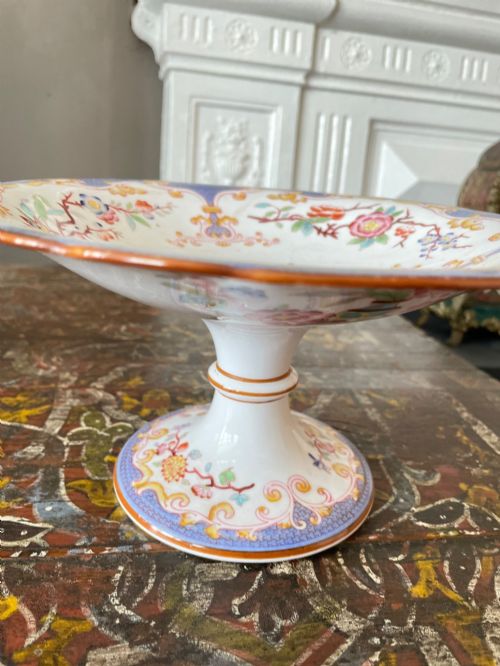
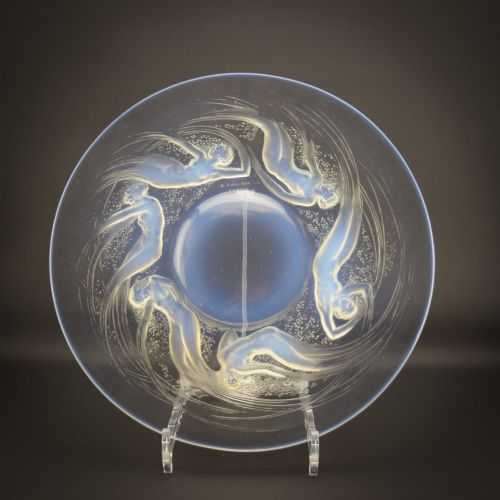
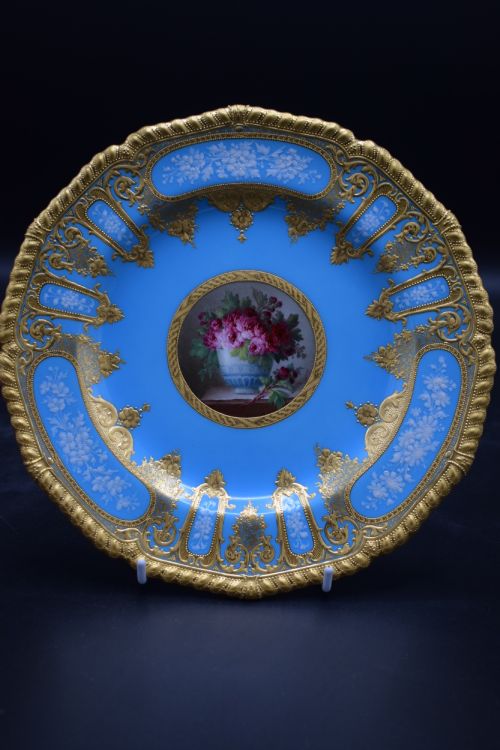
A vintage decorative dish brings colour and texture to a room, ranging from blue and white Delft chargers to hand-painted Royal Worcester cabinet plates.
Vintage Decorative Dish
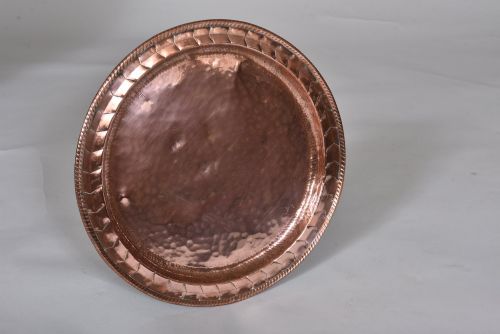
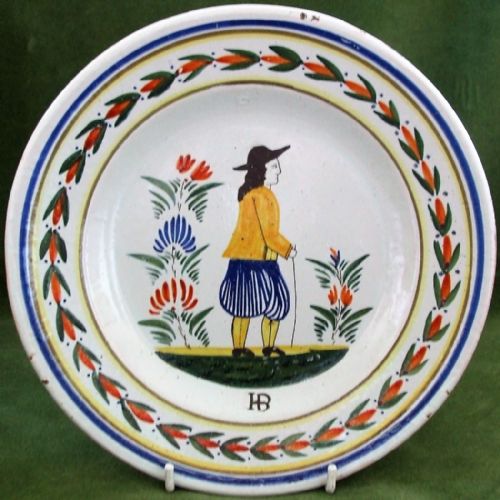
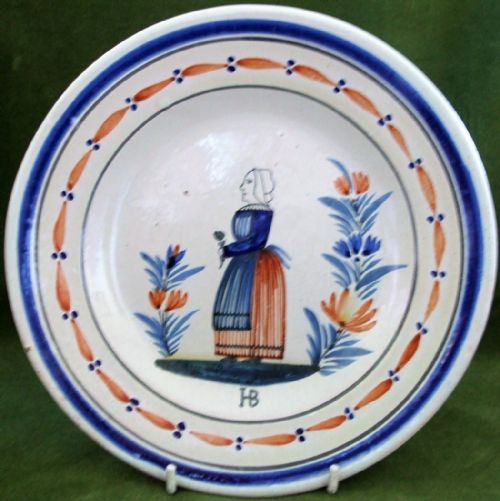
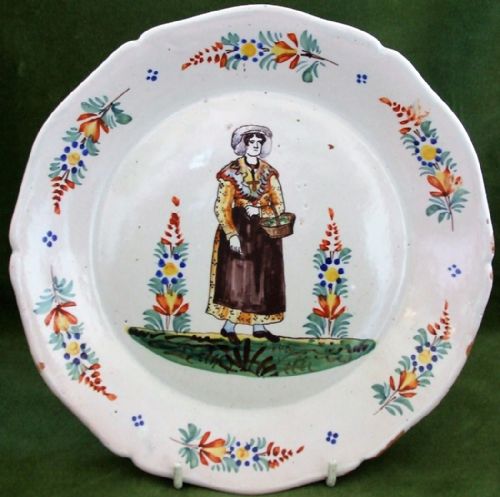
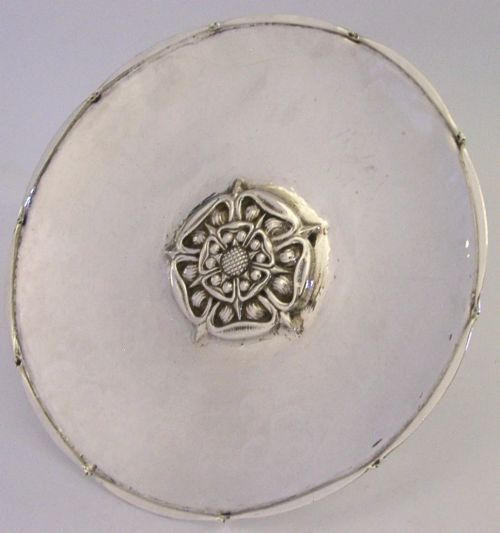
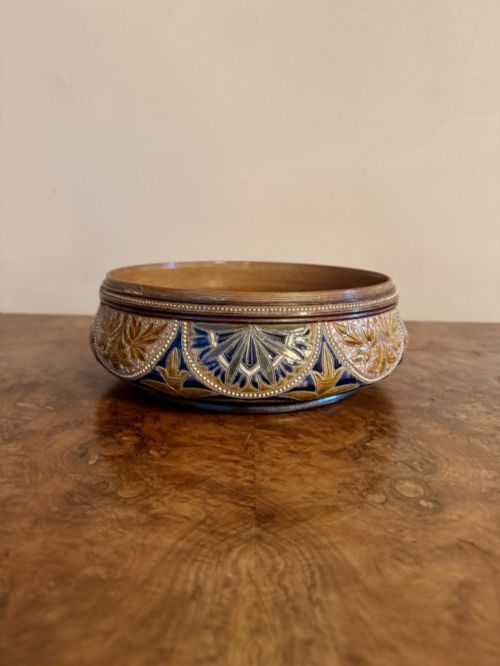
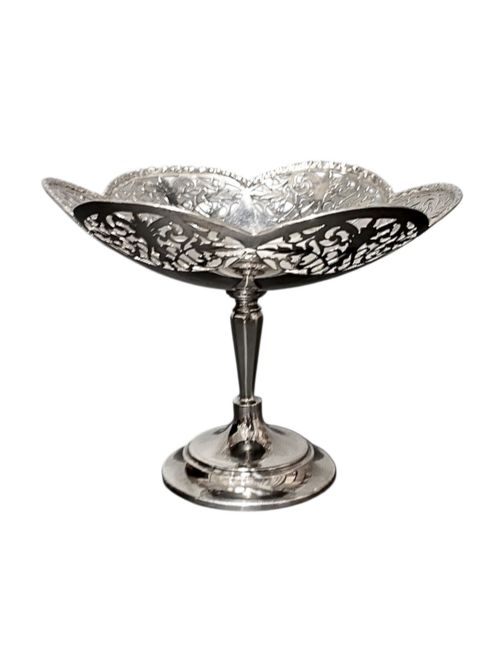
A vintage decorative dish encompasses a wide variety of ceramic, metal and glass forms designed primarily for display rather than utility. When searching this phrase, a buyer encounters everything from nineteenth-century earthenware platters and eighteenth-century Delft chargers to Japanese Imari porcelain and twentieth-century silver-plated vide poche trays.
The most common examples on this page span the Victorian and Edwardian eras through to the mid-twentieth century, featuring forms such as shallow bowls, wall chargers, cabinet plates and serving trays. These pieces reflect diverse cultural traditions, including Chinese Export porcelain, Japanese Satsuma and Kutani wares, and European earthenware.
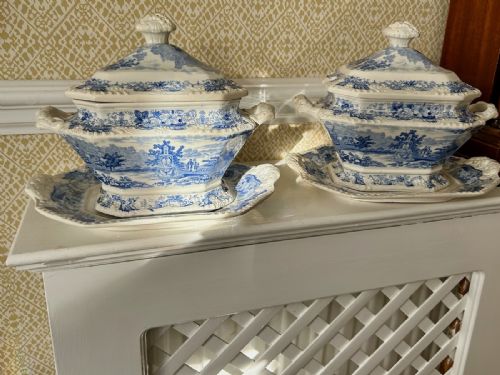
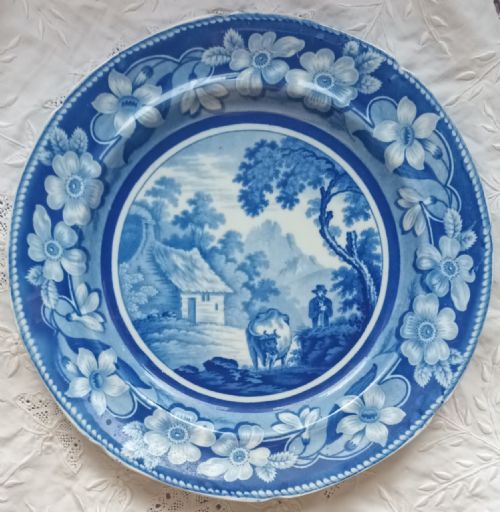
Makers and decorators utilised specific regional styles, from Dutch Baroque and Japanese Imari to English transferware and French Art Deco. Each object bears the distinct aesthetic of its period, whether through hand-painted botanical studies or intricate blue and white geometric borders.
Materials and construction
Pottery and porcelain pieces rely on traditional ceramic bodies including earthenware, bone china, ironstone and soft-paste porcelain, shaped by hand or moulded before kiln firing. Glazes, enamel paints and gold leaf provide the finished surface, often applied in multiple stages with intermediate firings to set colours.
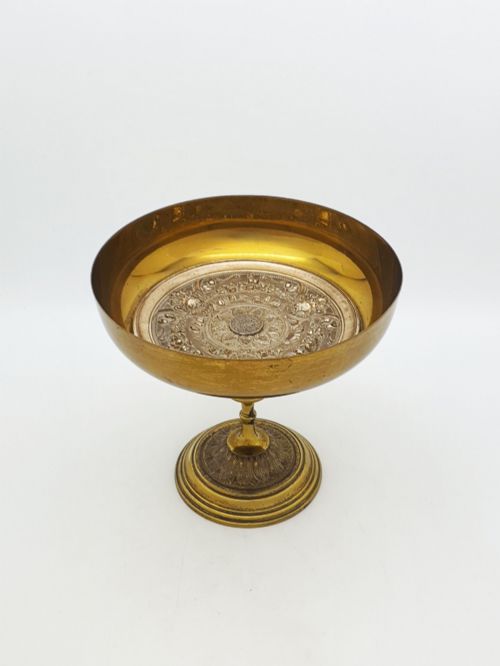
Metal items employ techniques such as engraving, piercing, casting and silver plating upon brass, white metal, solid silver and patinated iron. Specialised finishes like French lacquering and papier-mâché construction appear among trays and vide poche vessels originating from Kashmir and France.
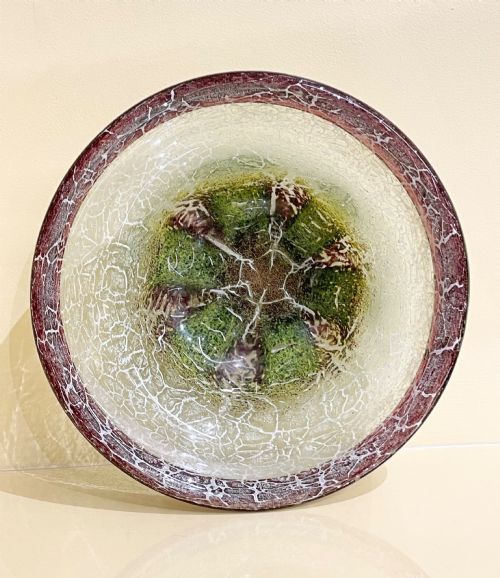
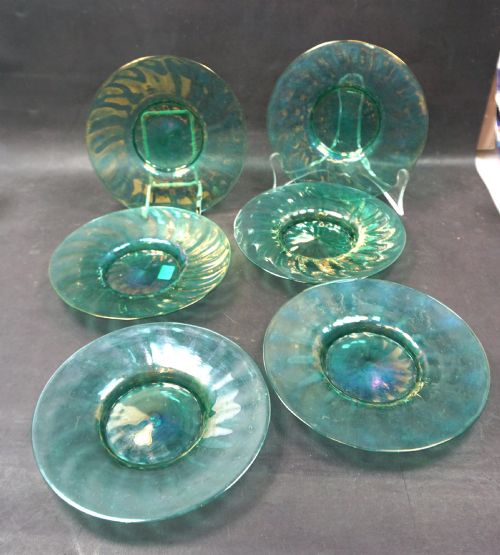
Glass vessels utilise pressed or blown methods, incorporating uranium or vaseline glass and cranberry glass formulations. Artisans combined these varied substrates with hand-painted details, transfer printing and metal inlay to achieve the final decorative effect.
Vintage Decorative Dish Retail Price Guide 2026
Typical asking prices for vintage decorative dish among the pieces listed under this phrase on Sellingantiques today, from the lower quarter to the upper quarter. They describe what is for sale here now, not the wider market.
Listings feature ceramics spanning the eighteenth to the twentieth centuries, including porcelain, earthenware, and bone china alongside silver and brass.
Assessing quality in decorative dishes
Quality rests upon the precision of the hand-painted execution and the clarity of the underlying material, whether porcelain, silver or earthenware. Hand-painted fruit and floral cabinet plates signed by known artists demonstrate a higher degree of individual skill than standard transfer-printed wares.
The sophistication of the technique dictates distinction, evident in deep ironstone casting, crisp engraving on brass wall chargers, or complex gold and silver inlay on patinated iron plaques. Finer pieces maintain crisp enamel colours, well-preserved gilding and structural integrity across pierced galleries and scalloped edges.
Masons Ironstone·Royal Crown Derby·Royal Worcester·Whitefriars·Coalport·Christofle·Hermes
The Vintage Decorative Dish Glossary
- Charger
- A large ornamental plate or platter typically hung on a wall or displayed on a sideboard rather than used at the dining table.
- Cabinet Plate
- A fine porcelain plate produced specifically for display in a cabinet or on a wall, often featuring detailed hand-painted scenes.
- Imari
- A Japanese export porcelain style characterised by underglaze blue, iron red, and gilt highlights, widely imitated in Europe.
- Vide Poche
- A small tray or dish placed in an entryway to empty pockets of coins and keys upon entering a home.
- Transferware
- Earthenware or porcelain decorated by transferring a design from an engraved copper plate onto paper, then onto the ceramic body prior to glazing.
Vintage Decorative Dish: Frequently Asked Questions
How were antique chargers displayed?
Large decorative chargers were traditionally hung on walls using wire plate hangers or displayed upright on sideboards and buffets to showcase their painted surfaces.
In modern interiors, these pieces continue to function well as focal points on living room walls or as centrepieces on large dining tables.
What is the difference between a plate and a charger?
A charger is substantially larger than a standard dining or cabinet plate, measuring well beyond the normal dimensions for tableware.
While plates served practical dining functions historically, chargers were primarily ornamental items designed to display wealth and artistic craftsmanship.
Can these metal trays be used daily?
Silver-plated and brass trays function effectively as desktop organisers, valet trays or small serving pieces for drinks and glassware.
Care should be taken with delicate finishes like papier-mâché or patinated iron, which suit dry display rather than heavy handling or moisture.
How do I identify Japanese Imari ware?
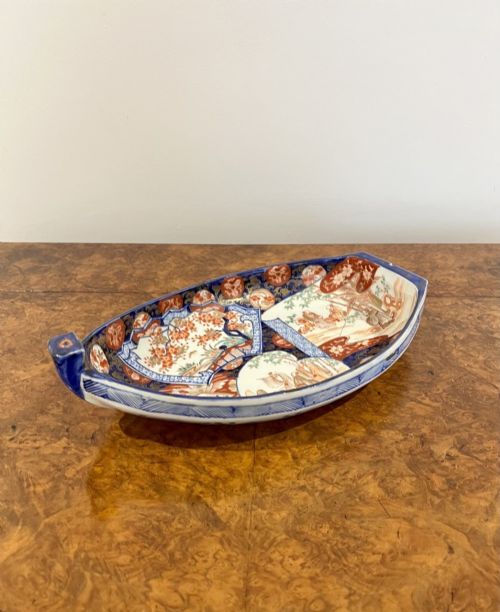
Japanese Imari pieces typically feature a distinct palette combining cobalt blue underglaze with iron red and abundant gold leaf details.
Designs often incorporate floral motifs, birds and brocade patterns executed on porcelain bodies dating from the Meiji period and earlier.