



Vintage Davenport
Vintage davenport pieces are compact writing desks and occasional items spanning the Victorian to Edwardian eras, offering classic joinery for modern studies.
Vintage Davenport
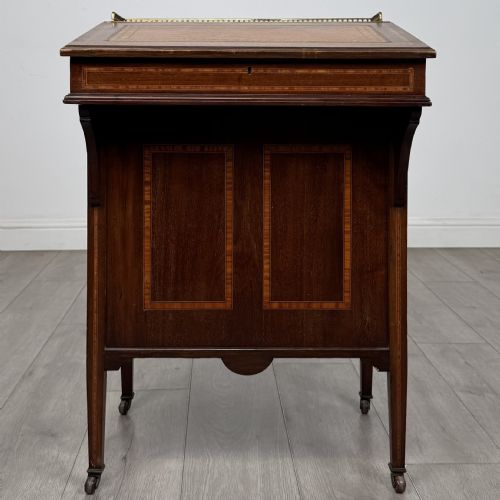
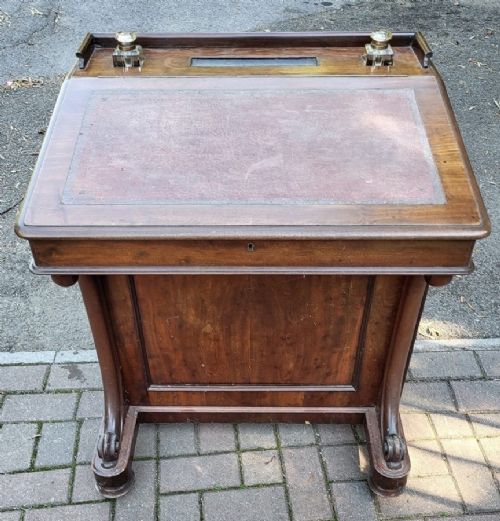
When you search for vintage davenport, you encounter a distinct group of compact writing desks and related objects spanning the nineteenth and early twentieth centuries. The primary form is the Davenport desk, a small writing cabinet featuring a sloping lid and side drawers, which originates from the Regency, William IV, and Victorian periods.
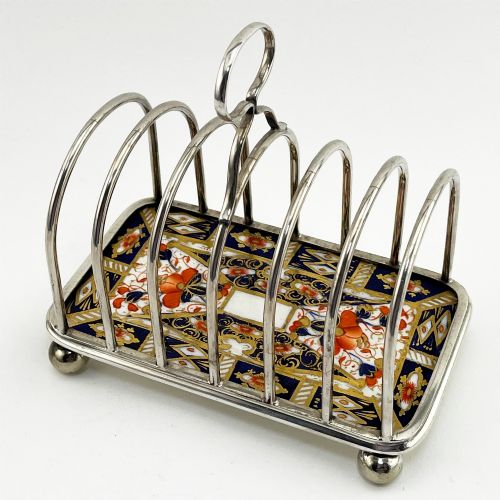
Beyond the standard desks, the listings also encompass diverse items bearing the Davenport name or associated manufacturers, including ironstone octagonal jugs, silver-plated toast racks, and tea sets from the Victorian era. These varied forms share the craftsmanship and aesthetic qualities typical of their respective nineteenth-century and Edwardian manufacturing origins.
Mahogany and rosewood dominate the desk forms, often enhanced by inlaid decoration, brass handles, and leather writing surfaces. Buyers most frequently meet mahogany and rosewood desks from the Victorian and Edwardian periods on this page, alongside occasional walnut or oak variations.
How they were made
The construction of these pieces relies heavily on dense timbers such as mahogany, rosewood, oak, and walnut, frequently combined with secondary woods like burr maple for interior linings. Cabinetmakers utilised precise joinery techniques to build the compact bodies, integrating side drawers and stationery compartments within a small footprint.
Surface decoration involved fine veneers, satinwood or lighter wood inlay, and applied brass handles or galleries. Leather inserts were fitted to the sloping writing surfaces, while ceramic and porcelain items like the ironstone jugs utilised traditional pottery moulding and hand-painting techniques characteristic of the nineteenth century.
Vintage Davenport Retail Price Guide 2026
Typical asking prices for vintage davenport among the pieces listed under this phrase on Sellingantiques today, from the lower quarter to the upper quarter. They describe what is for sale here now, not the wider market.
What varies in quality
The standard of timber selection and grain figure largely defines the distinction between standard and superior pieces. Rosewood and figured mahogany examples with careful matching of veneers sit at a higher level than plain timber versions.
The intricacy of the inlay work, the presence of original brass hardware, and the quality of internal secondary woods such as burr maple indicate the maker's investment of time and skill. Sound structural integrity in the side drawers and writing slopes further separates finer examples from more utilitarian items.
Gillows·Hampton & Sons of Pall Mall·Smiths
The Vintage Davenport Glossary
- Davenport desk
- A compact writing desk featuring a sloping, hinged desktop that lifts to reveal storage, supported by a pedestal of drawers on one side.
- Inlay
- A decorative technique where pieces of contrasting timber, such as satinwood, are inserted into recessed portions of the primary wood surface.
- Burr maple
- A highly figured wood grain prized by cabinetmakers for lining the interior drawers and compartments of fine nineteenth-century desks.
- Ironstone
- A type of durable, semi-vitrified pottery developed in the nineteenth century, commonly used for heavy decorative jugs and tableware.
Vintage Davenport: Frequently Asked Questions
What is a Davenport desk?
A Davenport desk is a small, compact writing cabinet developed in the early nineteenth century, typically featuring a sloping leather-lined writing surface and a pedestal of side drawers.
These pieces were designed for ladies' writing rooms or boudoirs, offering functional workspace and storage without occupying the floor space of a full-sized partner's desk.
How do I date a Victorian Davenport?
Dating these desks involves examining the timber species, handle styles, secondary woods, and construction methods characteristic of periods like William IV, early Victorian, or Edwardian eras.
Earlier nineteenth-century models often feature rosewood or rich mahogany with hand-cut dovetails, while later Edwardian versions frequently display lighter inlaid satinwood decoration.
Were Davenports used for writing?
These pieces served primarily as personal writing desks for correspondence, keeping stationery, and storing letters within their internal compartments and side drawers.
The sloping lid provided a convenient angle for handwriting before the widespread use of upright table desks and modern office furniture.
What materials are used in Davenport desks?
The primary structure of a Davenport relies on hardwoods like mahogany, rosewood, oak, or walnut, sometimes enhanced with lighter wood veneers and stringing.
Interiors often incorporate secondary woods such as satinwood or burr maple for drawers, complemented by brass hardware and inset leather writing surfaces.