

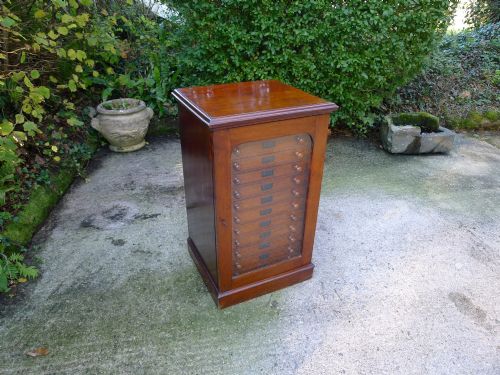
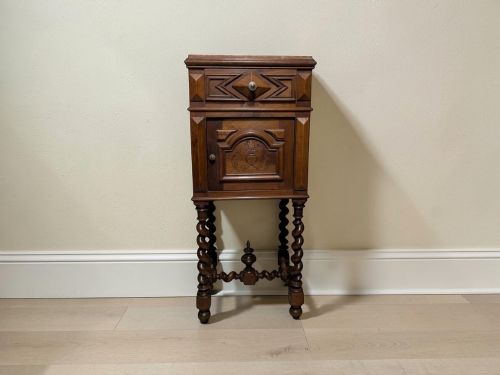
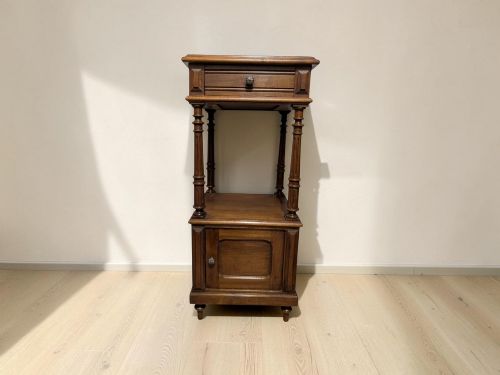
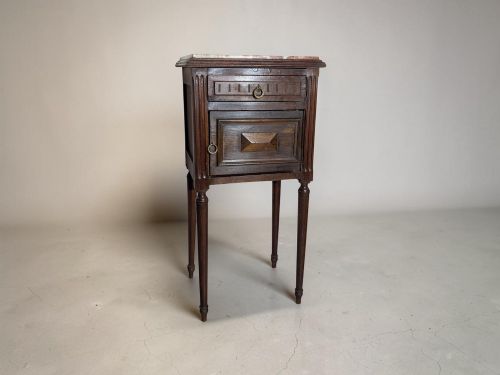
Vintage Dark Wood Cabinet
A vintage dark wood cabinet brings deep tones and solid grain into a room, serving as a functional place to store books, china, and everyday objects.
Vintage Dark Wood Cabinet
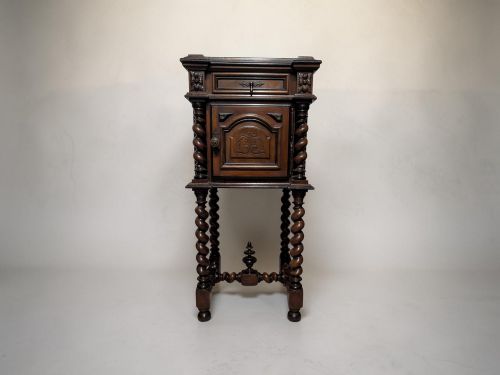
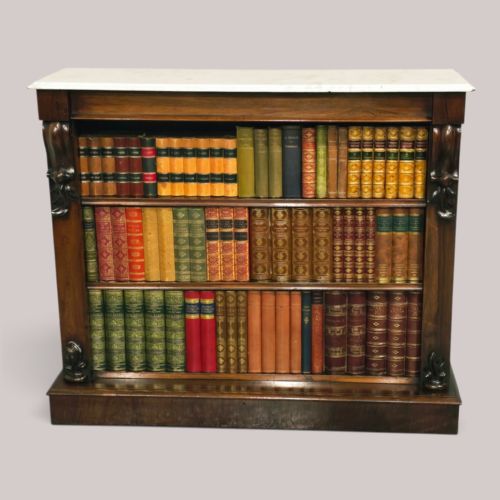
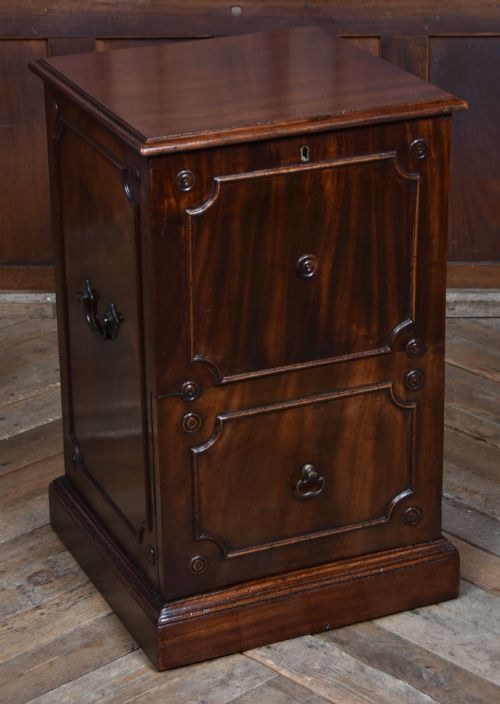
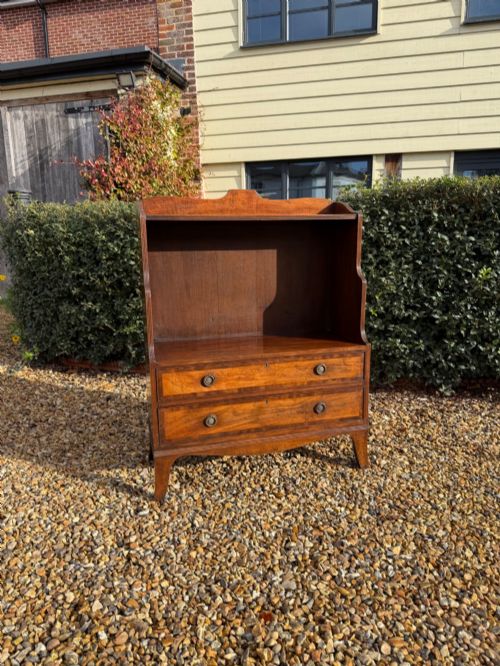
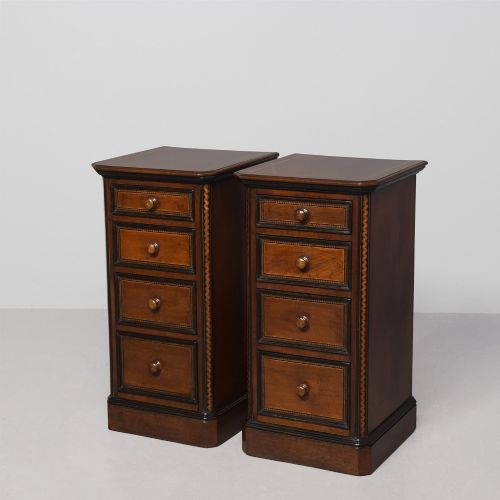
A vintage dark wood cabinet encompasses a broad selection of storage furniture designed to hold books, display china, or organise clothing. When buyers search for a vintage dark wood cabinet, they encounter pieces ranging from tall library bookcases and display cabinets to compact bedside cupboards and bureaux.
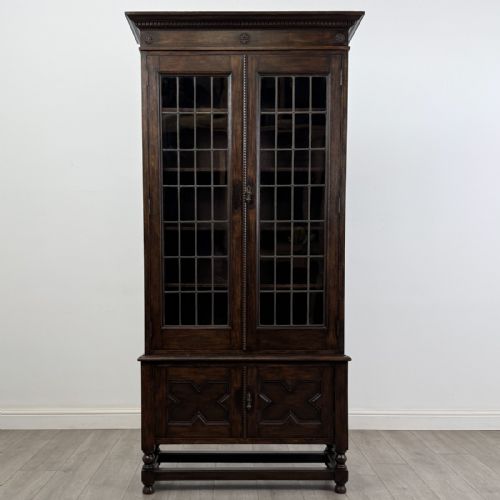
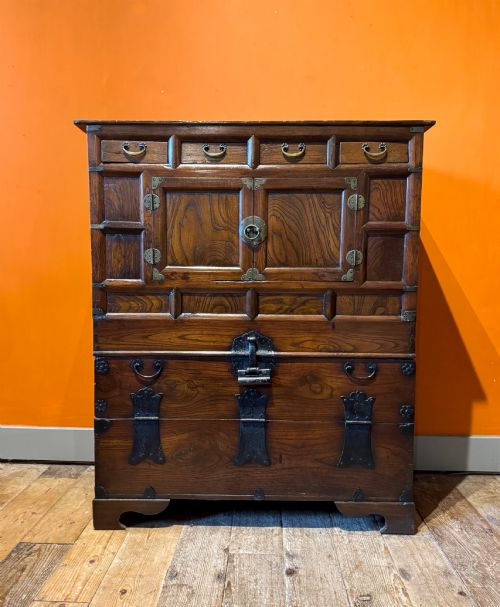
The pieces on this page emerge from periods spanning the eighteenth century through to the 1930s, capturing styles such as Edwardian, Victorian, Jacobean Revival, and Art Deco. Mahogany and oak dominate the selection, frequently paired with glass, brass, and iron hardware.
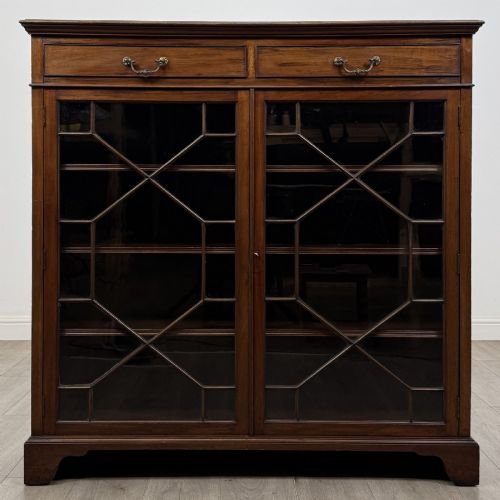
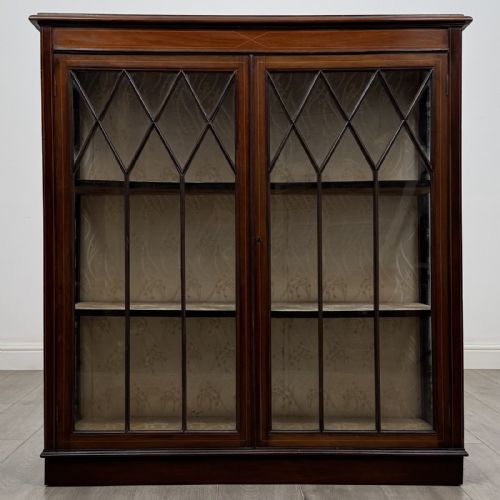
Edwardian and early twentieth-century mahogany display cabinets and oak bookcases represent the versions most frequently met on this page. These items reflect the domestic storage needs of their respective eras, offering glazed doors for visibility or enclosed wooden panels for privacy.
How they were made
Construction relies heavily on durable hardwoods like mahogany, oak, and walnut, chosen for their strength and rich natural colour. Cabinetmakers shaped these timbers into sturdy frames, mounting doors with brass hinges and securing contents behind leaded or astragal glazed glass.
Details such as carved bracket feet, raised galleries, and dentil cornices demonstrate traditional joinery techniques applied across 19th-century and early 20th-century workshops. Interiors often feature fitted compartments, adjustable shelving, or specialised slots for music and records.
Vintage Dark Wood Cabinet Retail Price Guide 2026
Typical asking prices for vintage dark wood cabinet among the pieces listed under this phrase on Sellingantiques today, from the lower quarter to the upper quarter. They describe what is for sale here now, not the wider market.
Listings feature mahogany, oak, and walnut timbers applied across forms including bookcases, display cabinets, bureaux, and bedside cupboards from the Georgian era to the 1930s.
What varies in quality
Distinctions in quality arise from the selection of timber grain, the precision of carved ornamentation, and the integrity of the original hardware. Superior examples display thoughtful proportions, balanced timber matching across panel doors, and refined glazing bars.
The presence of makers such as Heals indicates a higher standard of design and workshop execution. Minor variations in the complexity of internal fittings, such as finely divided bureau interiors or specialised record storage, separate standard utility items from more ambitious commissions.
Heals of London
The Vintage Dark Wood Cabinet Glossary
- Astragal glazed
- Glass doors divided into smaller panes by narrow wooden bars called astragals. This technique lightens the visual weight of large bookcases and display cabinets.
- Bureau
- A desk featuring a sloping hinged lid that opens to reveal a fitted interior of small drawers and pigeonholes. These often sit atop a chest of drawers or cupboard base.
- Breakfront
- A piece of furniture where the central section projects forward from the flanking sections. This architectural arrangement creates depth and visual interest in large bookcases and sideboards.
- Bracket feet
- Simple, footers supporting the corners of a cabinet, formed by two pieces of wood joined at a mitre. They lift the case slightly off the floor while maintaining a stable stance.
- Dentil cornice
- A decorative moulding featuring a series of small, rectangular blocks spaced evenly along the upper edge of a bookcase or cabinet. It borrows a classical architectural motif.
Vintage Dark Wood Cabinet: Frequently Asked Questions
What is a vintage dark wood cabinet used for?
These cabinets serve multiple domestic purposes, from housing library books and displaying porcelain collections to storing records and bedside essentials. Their enclosed shelving and drawers keep rooms tidy while introducing rich timber tones.
Larger variations function as focal points in living spaces or dining rooms, whereas smaller bedside versions fit snugly in bedrooms. Their robust construction suits everyday use.
How do I tell Edwardian cabinets apart from earlier pieces?
Edwardian pieces, typically dating around 1900 to 1910, often feature lighter mahogany frames, satinwood stringing, and simpler lines compared to heavier Victorian counterparts. They frequently incorporate glazed display doors intended for china.
Earlier nineteenth-century and Georgian items tend to display deeper patination, denser mahogany or walnut grains, and more robust structural joinery. Examining the interior construction and timber selection helps clarify the era.
How do I care for a dark wood cabinet?
Maintain the wood by keeping the cabinet away from direct sunlight and steady heat sources, which can dry out the timber and cause warping. Dust regularly with a soft, dry cloth.
Occasional application of appropriate wax polish preserves the sheen and nourishes the grain without building up heavy residues. Avoid harsh chemical cleaners that strip the original finish.
What types of glass are found in these cabinets?
Many display cabinets and bookcases utilise clear glass panes held by wooden astragals, allowing visibility for books or collected items. Some Edwardian and Jacobean style pieces feature leaded glass doors.
Sliding glass doors also appear on later twentieth-century variants, offering practical access to shelving without requiring clearance for swinging doors. Each glass type reflects the period manufacturing standards.