





Vintage Dairy Bowl
These vintage dairy bowl pieces are hardworking utensils turned rustic home accents, prized for their honest warmth and tactile everyday utility.
Vintage Dairy Bowl
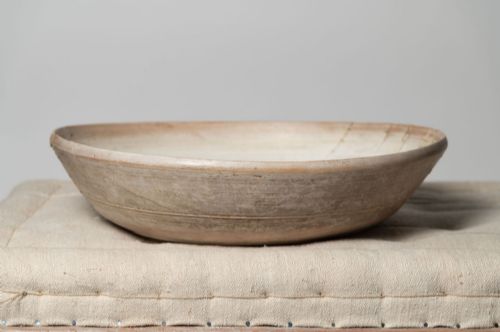
When you search for vintage dairy bowl, you encounter utilitarian vessels created for traditional milk and cream processing on smallholdings and farms. The forms on this page span the nineteenth century up to the Edwardian period, originating primarily from English, Welsh, Scandinavian, and French country traditions.
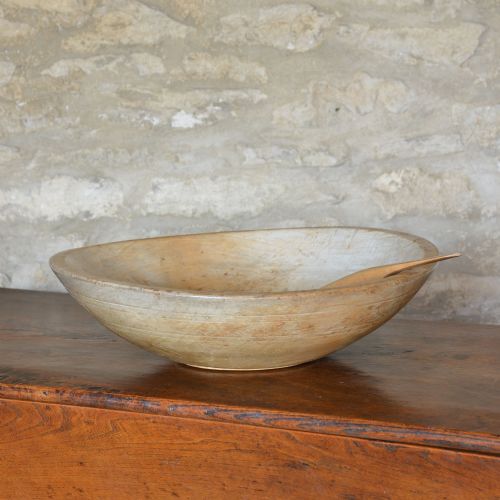
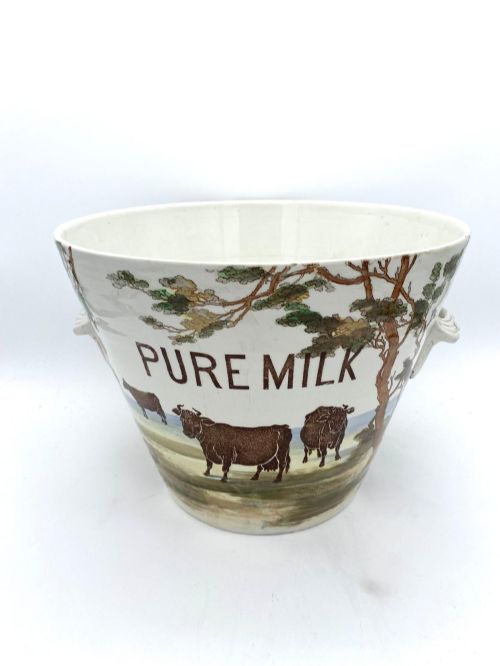
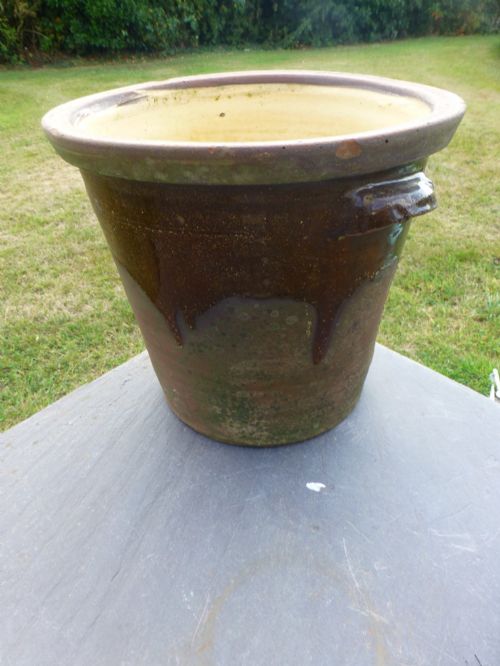
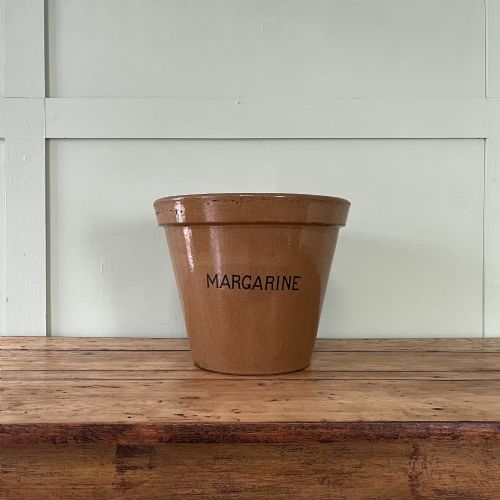
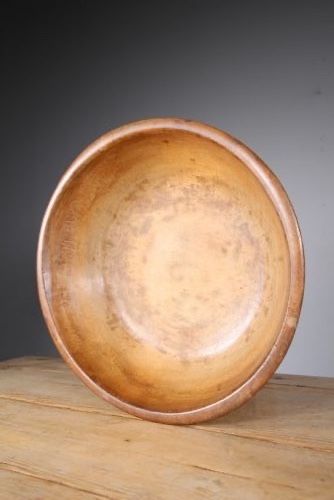
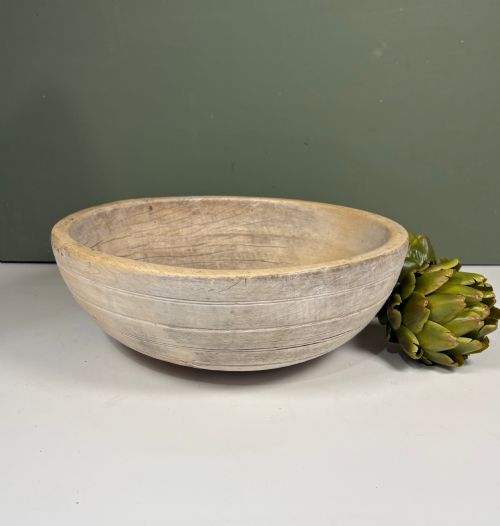
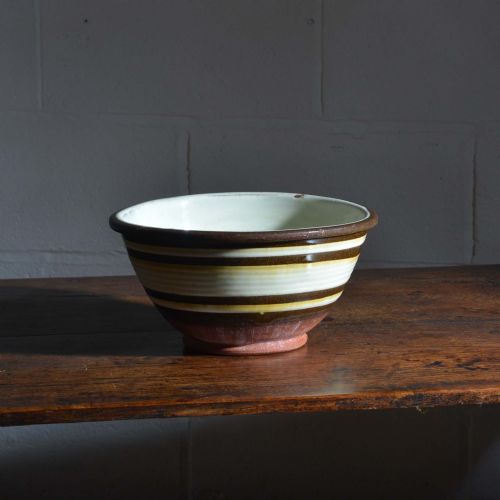
You will most frequently meet round wooden bowls carved from sycamore or pine alongside heavy glazed terracotta, creamware, and stoneware crocks. These pieces range from deep utility vessels designed for setting cream to wide shallow basins and specialist kitchen scoops.
Many examples retain traces of their original agricultural workspace, shifting easily from historic dairy implements into modern planters, centrepieces, and rustic storage crocks.
How they were made
Wooden vessels are turned or carved from native hardwoods like sycamore and pine, often finished simply to let the natural grain take centre stage. The toolmarks left by early makers remain visible across the surfaces of these treen pieces.
Ceramic equivalents employ local earthenware, terracotta, or stoneware bodies finished with slip glazes and transparent lead or salt glazes. These protective coatings were essential for sealing porous clay against dairy liquids and daily scrubbing.
Vintage Dairy Bowl Retail Price Guide 2026
Typical asking prices for vintage dairy bowl among the pieces listed under this phrase on Sellingantiques today, from the lower quarter to the upper quarter. They describe what is for sale here now, not the wider market.
What varies in quality
The distinction between ordinary and exceptional pieces lies in the crispness of the original turning, the depth of the timber's warmth, and the character of the glaze. A well-balanced proportion and an untouched surface separate honest vernacular kitchenware from heavily altered items.
Wear patterns tell a crucial story about authenticity, where centuries of daily skimming and scouring create a soft, undulating edge or a rich, mellow patina. The preservation of original slip glazes without modern restoration defines the upper tier of ceramic examples.
The Vintage Dairy Bowl Glossary
- Sycamore
- A dense, light-coloured hardwood frequently selected by turners for dairy bowls because it resists splitting and does not impart unwanted flavours to milk.
- Creamware
- A fine earthenware developed in the eighteenth century with a pale yellowish-cream lead glaze, widely adopted for domestic dairy and kitchen vessels.
- Slip glaze
- A liquid clay mixture applied to pottery before firing to provide a decorative surface or an impermeable seal across earthenware bodies.
- Treen
- Small handmade wooden household objects and utensils, prized by collectors for their varied toolmarks and domestic utility.
- Patina
- The deep surface sheen and mellow colour acquired by wood and ceramic through decades of handling, exposure, and repeated cleaning.
Vintage Dairy Bowl: Frequently Asked Questions
What is a vintage dairy bowl?
These items are traditional agricultural vessels originally used on farms for skimming milk, setting cream, and holding dairy produce. They bring historic utility and earthy texture into modern rooms.
Today they function effectively as display pieces, fruit bowls, or deep planters for houseplants.
How were old dairy bowls used?
Farmers relied on these shallow wooden or glazed ceramic basins to let fresh milk settle so the cream could rise to the surface for skimming. Stoneware and terracotta versions also served for salting and general food storage.
Their wide rims and heavy walls made them stable fixtures in cool dairies and larders.
Are wooden dairy bowls food safe?
Most antique wooden bowls feature historic dry surfaces and old patinas that are best preserved through gentle dusting rather than heavy washing. Modern food use depends entirely on the current condition of the timber and any previous treatments.
Many collectors prefer to use them strictly for dry display or decorative centrepieces.
How do I date a dairy bowl?
Dating relies on identifying the material, toolmarks, glaze types, and regional turning characteristics recorded in the piece. Sycamore treen often shows hand-carved or pole-lathe marks typical of nineteenth-century rural production.
Glazed earthenware and stoneware pieces can be attributed through their specific body colour and regional slip decoration styles.