
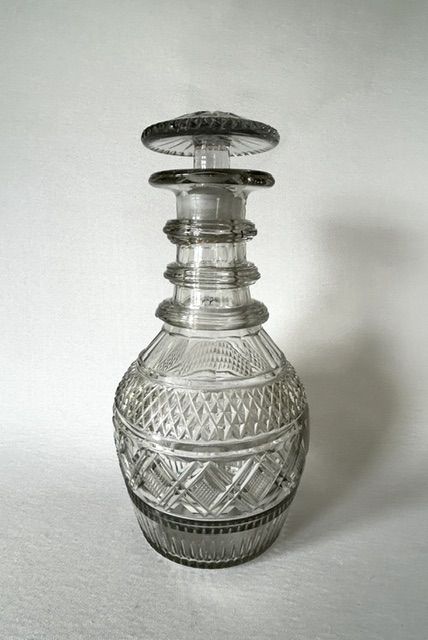


Vintage Crystal Decanter Stopper
A vintage crystal decanter stopper completes a vessel of cut glass or crystal, bringing period proportion and sparkle back to the bottle.
Vintage Crystal Decanter Stopper
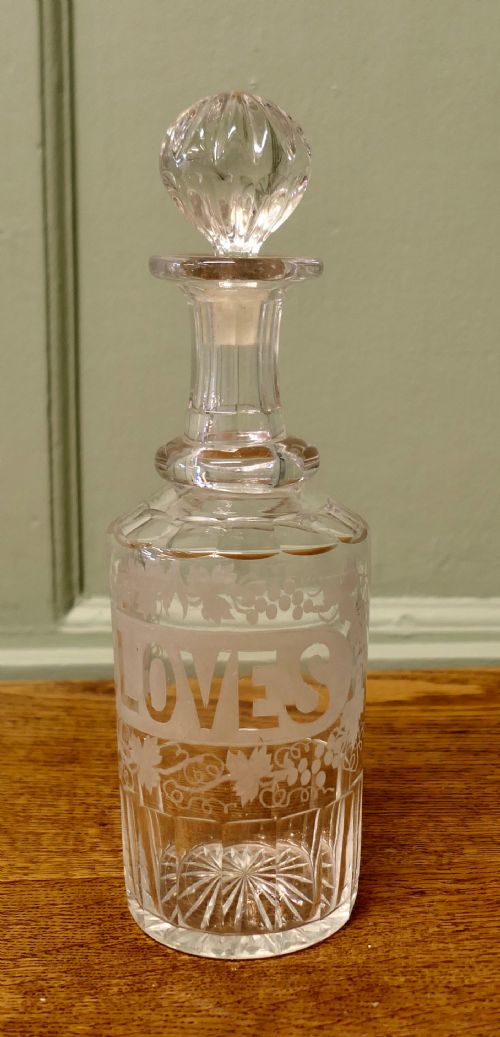
A vintage crystal decanter stopper represents the crowning glass component of a spirit or wine bottle, designed to seal the contents securely while adding sculptural height. When searching for this phrase, collectors encounter replacement stoppers and complete vessels dating from the Victorian and Edwardian eras, alongside pieces attributed to the 19th century and the 1920s.
How they were made
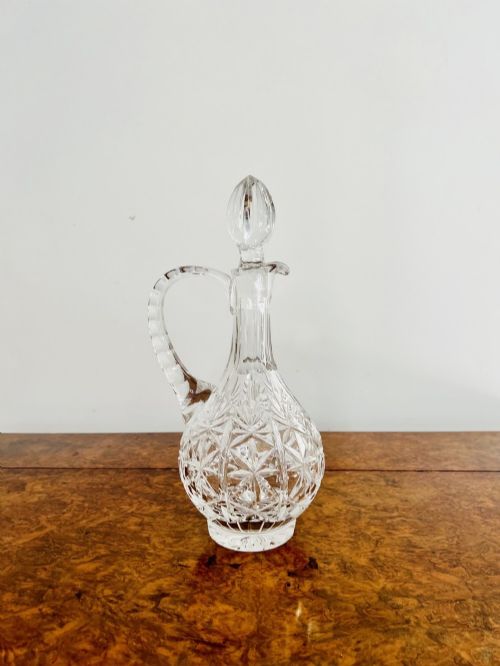
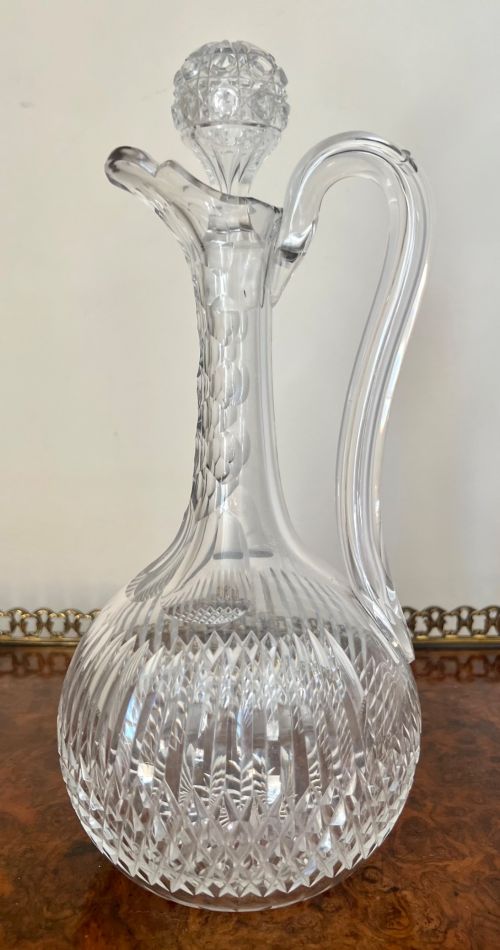
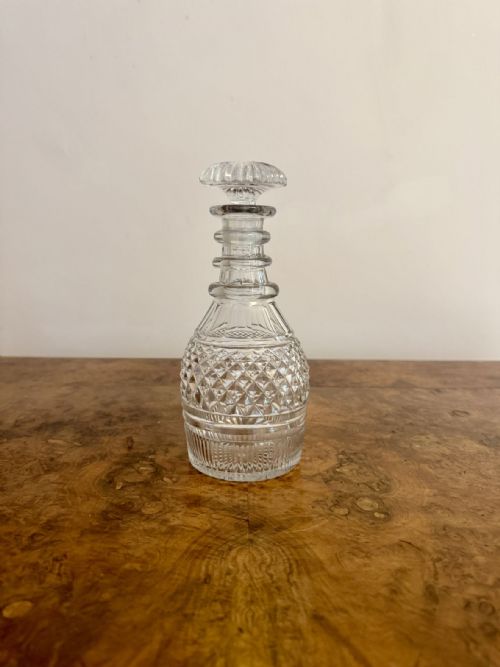
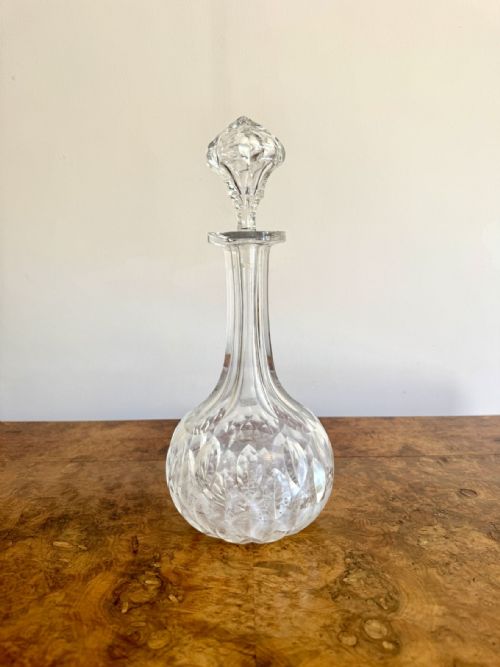
The makers utilised clear glass, crystal, and lead crystal as the primary materials for these stoppers and vessels, often shaping them through extensive cutting and engraving techniques. Artisans achieved intricate geometric and floral motifs on the surface by pressing or wheel-cutting the heavy glass.
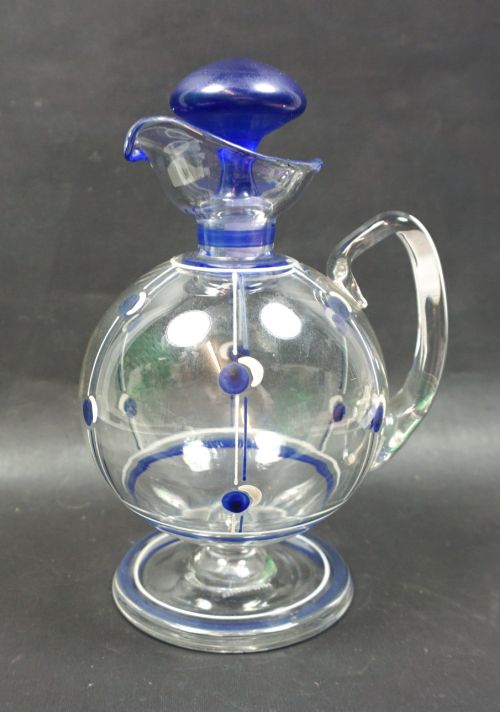
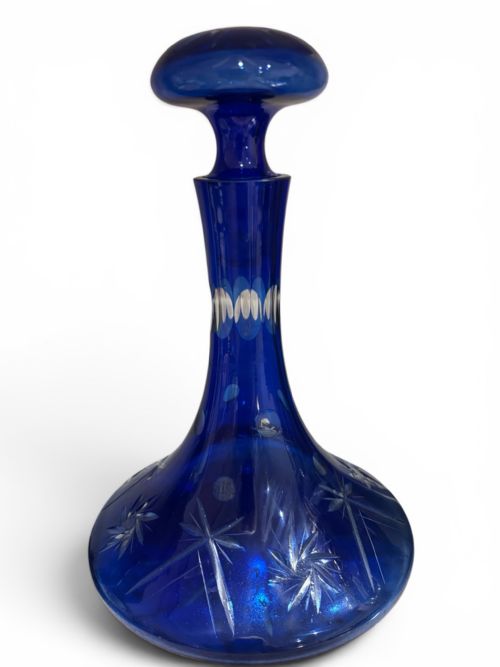
Additional materials such as silver for collars and blue enamel for surface decoration appear on specific examples, combining metalwork with glassblowing. Bohemian and English workshops employed these methods to create both utilitarian barware and decorative dressing table items.
The listings span multiple eras from the 1860s through the 1930s, featuring clear cut glass, crystal, and silver-collared examples.
What varies in quality
Quality in these items depends on the precision of the glass cutting, the clarity of the material, and the weight of the piece. Superior examples display sharp, clean facets that refract light evenly, whereas lesser items show softer edges and minor imperfections in the glass pour.
The integration of secondary materials also influences the standard of the piece, with hallmarked silver collars and hand-applied enamel decoration elevating the craftsmanship. Matching stoppers to period bottles requires careful attention to the ground-glass fit and silhouette.
The Vintage Crystal Decanter Stopper Glossary
- Stopper
- The glass or crystal plug designed to fit snugly into the neck of a decanter or scent bottle.
- Cut Glass
- Glass decorated by grinding facets or patterns into the surface using a rotating wheel.
- Lead Crystal
- Glass containing lead oxide, which increases the weight, brilliance, and refractive index of the material.
- Ewer
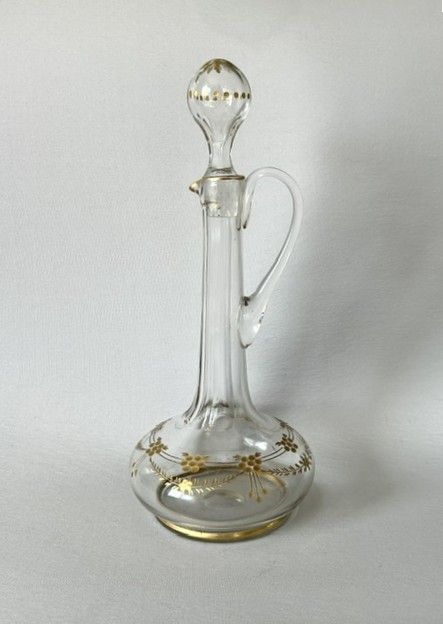
- A large jug with a wide spout, often styled similarly to period decanters and fitted with a handle.
- Prussian Style
- A decanter shape featuring horizontal rings around the neck, commonly seen on nineteenth-century examples.
Vintage Crystal Decanter Stopper: Frequently Asked Questions
How do I match a stopper to a decanter?
Check the ground-glass portion of the stopper against the interior neck of the vessel for a secure and flush fit. The diameter and length of the peg must correspond directly to the opening of the bottle.
Examine the cutting style and glass tint of the stopper to ensure it matches the period and aesthetic of the decanter body. Subtle variations in lead content can alter the colour, so natural daylight helps determine compatibility.
What periods do these stoppers represent?
The available items primarily span the Victorian and Edwardian periods, stretching from the late nineteenth century into the early decades of the twentieth century. Earlier examples reflect Georgian proportions, while later pieces incorporate Art Deco influences.
Stylistic markers such as deep hobnail cutting or silver collars help assign pieces to specific decades. Production origins range from English workshops to Bohemian glasshouses.
How were these glass vessels used historically?
Decanters served to store and serve wine, whisky, and cordials at the dining table or sideboard, keeping spirits sealed and accessible. Smaller scent bottles functioned as personal items for perfumes on dressing tables.
The inclusion of silver collars and stoppers ensured that volatile liquids remained contained. Wealthy households displayed these cut crystal sets prominently during formal entertaining.
How should I clean antique crystal?
Wash the glass gently in warm water using a mild detergent, avoiding sudden temperature changes that can crack historic material. A soft cloth or specialised brush helps reach interior residue without scratching the surface.
Dry the pieces thoroughly with a lint-free cloth to restore the clarity of the cut facets. Silver collars require separate, careful polishing to prevent tarnish from spreading to the glass.