


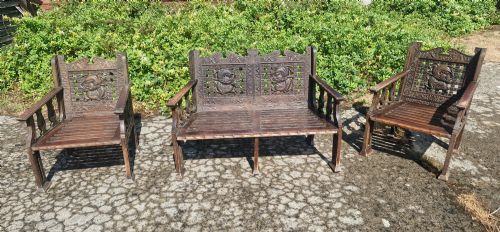

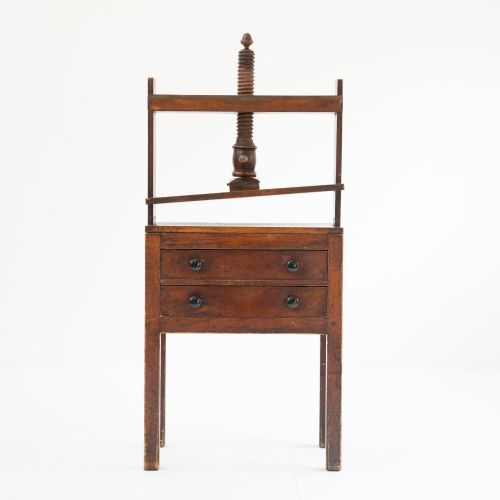
Vintage Country House Furniture
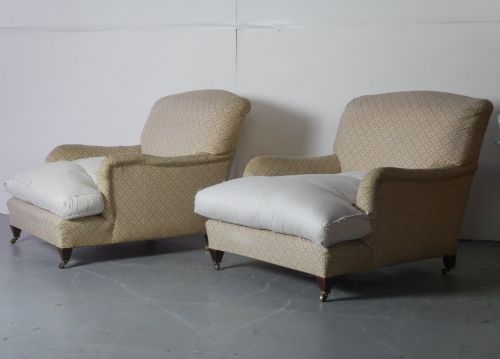
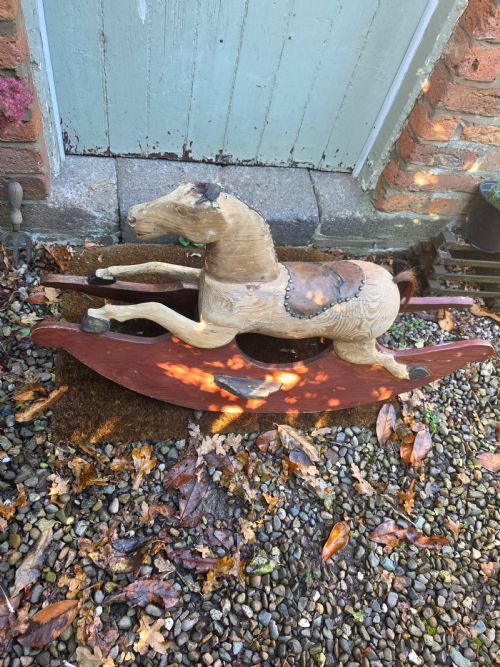
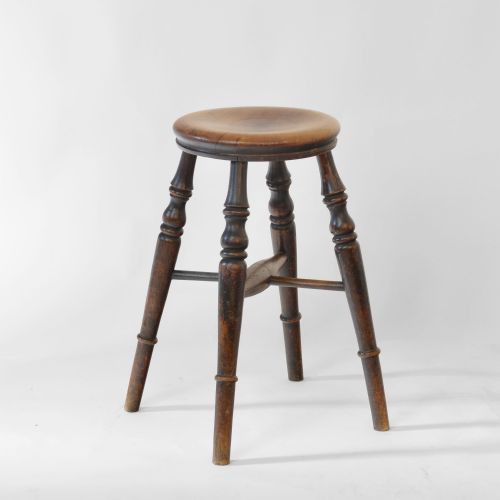
Vintage country house furniture brings practical utility and honest character into a room, spanning periods from the eighteenth century through to the Edwardian era.
Vintage Country House Furniture
Vintage country house furniture encompasses utilitarian and formal pieces found in large estates, farmhouses, and provincial dwellings. Buyers searching this phrase encounter hardworking items designed for daily domestic service rather than purely decorative display.
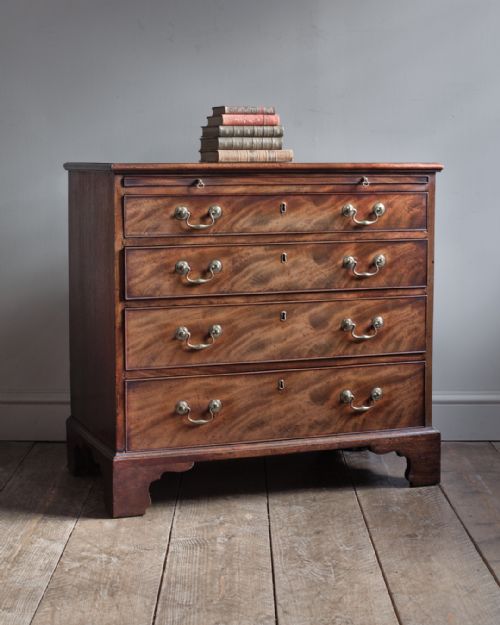
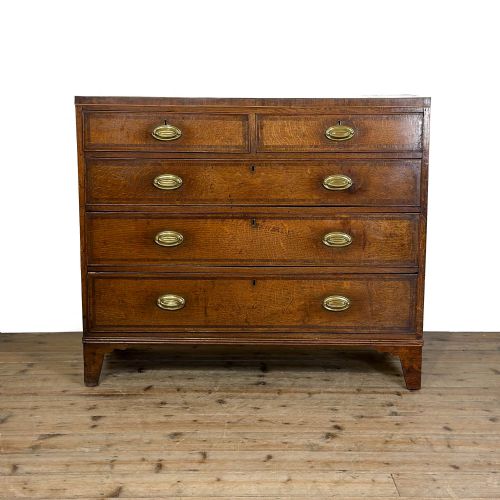
The selection on this page leans heavily towards nineteenth-century examples, incorporating Victorian pieces alongside earlier Georgian items. Forms range from storage essentials like chests of drawers and linen presses to hallway stands and utility tables.
These pieces carry the marks of domestic history, often showing the honest wear of estate life. Oak, pine, and mahogany dominate the inventory, shaped to serve specific household functions across generations.
Materials and Construction
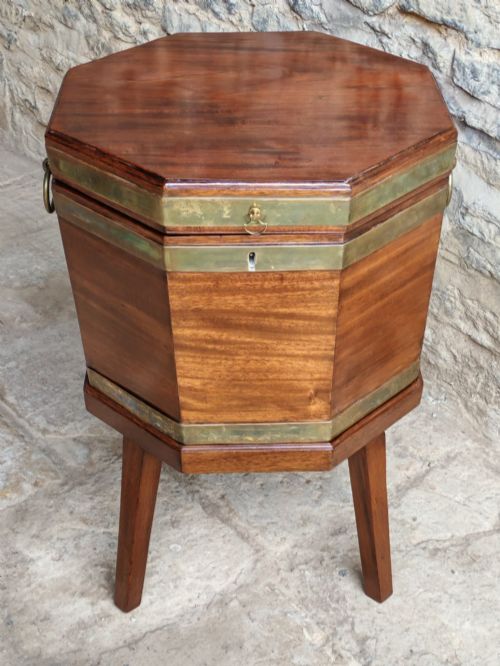
Makers utilised sturdy timbers such as oak, pine, fruitwood, and mahogany, selecting each wood for its strength and suitability to the task. Structural elements often combine primary display hardwoods with secondary utility woods like pine.
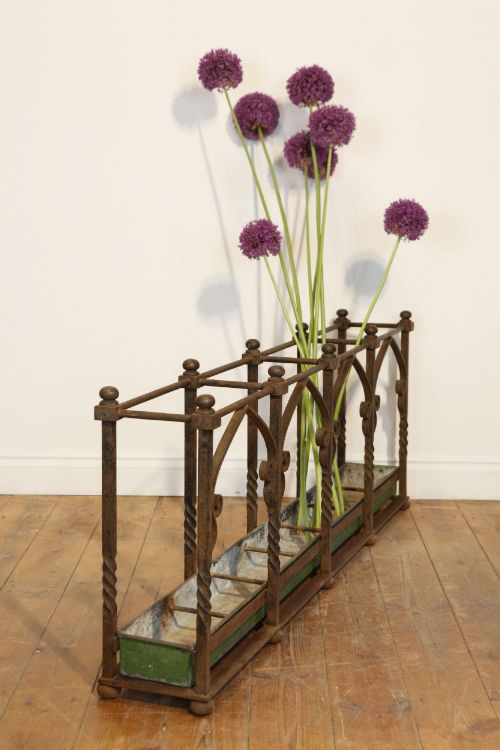
Surfaces frequently display applied paint finishes, including scumble glaze, alongside traditional wax and polish. Metal hardware in brass and iron provides functional durability to drawers, cabinets, and umbrella stands.
Construction techniques prioritise longevity, employing dovetail joints for drawers and robust framing for large cupboards and dressers. Carved details appear on specific decorative items, while utilitarian benches and boot racks rely on straightforward peg and screw assembly.
Vintage Country House Furniture Retail Price Guide 2026
Typical asking prices for vintage country house furniture among the pieces listed under this phrase on Sellingantiques today, from the lower quarter to the upper quarter. They describe what is for sale here now, not the wider market.
Listings feature eighteenth-century pieces alongside Victorian and Edwardian items, constructed from oak, pine, mahogany, and fruitwood.
Factors That Determine Quality
Quality rests in the integrity of the original construction and the survival of authentic surface finishes. Pieces retain greater merit when timber selection shows careful matching and joints remain tight without excessive modern intervention.
The presence of original hardware, maker stamps, and untouched painted surfaces elevates a piece above standard utility items. Proportion and balance distinguish finer workshop commissions from provincial vernacular carpentry.
Wear tells a story of use, but the preservation of underlying structural stability dictates the enduring value of a piece. Well-executed repairs using period timber maintain authenticity better than wholesale replacement of components.
Heals of London·Shapland & Petter·Howard and Sons·Hallett & Sons
The Vintage Country House Furniture Glossary
- Scumble paint
- A decorative surface treatment applied with a comb or brush over a pale ground to imitate graining or aged patination. This finish appears frequently on nineteenth-century storage cupboards and chests.
- Linen press
- A large tall cupboard containing sliding trays or shelves originally intended for storing household textiles. Lower sections frequently incorporate banks of drawers.
- Cricket table
- A small, lightweight three-legged table with a round top, designed for stability on uneven farmhouse floors. The three legs ensure the table remains steady without rocking.
- Canterbury
- A compartmentalised stand used for holding sheet music, magazines, or books, often fitted with low legs and castors. Originating in the late eighteenth century, these items remained popular through the Victorian period.
- Hall stand
- A piece of furniture placed in an entrance hallway incorporating mirror plates, coat hooks, and umbrella wells. They organise outdoor garments and walking gear.
Vintage Country House Furniture: Frequently Asked Questions
How do I use a boot rack indoors?
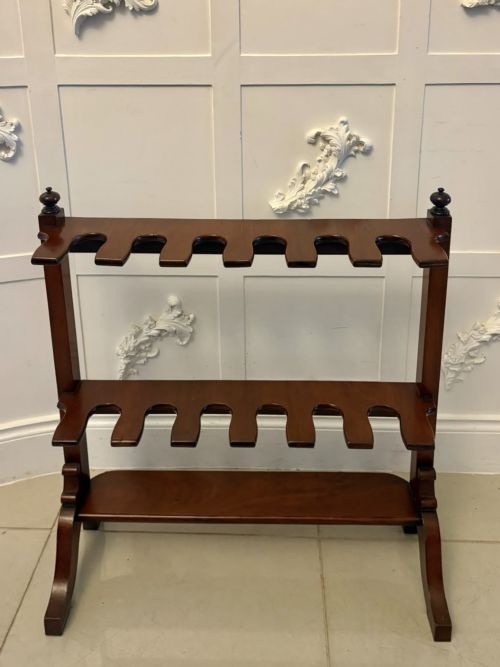
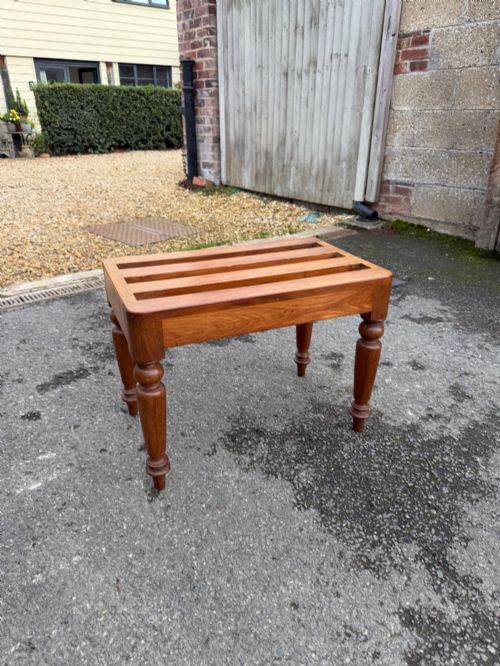
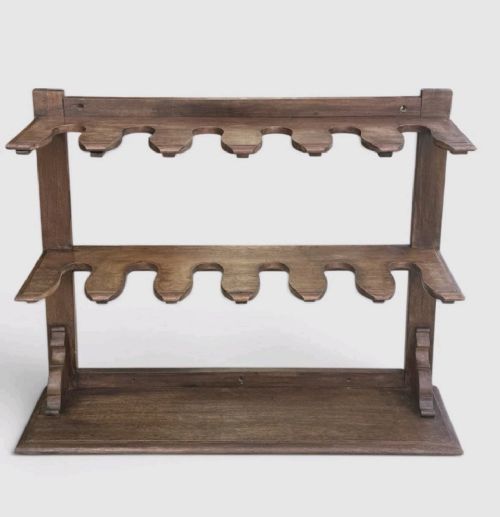
Boot racks fit neatly into entrance halls, boot rooms, or utility spaces to organise footwear and keep floors clear. They elevate wet shoes to allow proper air circulation around the leather.
Position the rack near an exterior door on a washable surface to catch residual mud and moisture. Pair the piece with a nearby umbrella stand for a coordinated hallway arrangement.
Where should I place a linen press?
Linen presses suit bedrooms, dressing rooms, or large landings where extra vertical storage proves useful. The upper sliding shelves store folded garments while the lower drawers handle smaller items.
Ensure adequate clearance in front of the cupboard doors so they open fully without obstruction. Avoid placing antique timber furniture directly against heat sources or in damp conditions.
How do I identify Victorian pieces?
Victorian items often feature denser hardwoods like mahogany alongside pine, displaying heavier proportions and robust construction methods. Common indicators include machine-sawn timber elements and specific Victorian hardware styles.
Examine the backboards and drawer linings to check for nineteenth-century manufacturing traits. Comparing the design to dated examples helps confirm the period of origin.
What is scumble paint?
Scumble paint is a translucent glaze manipulated with brushes or combs over a pale base coat to simulate wood grain. It protected utilitarian pine furniture while offering a decorative finish.
Look closely at the surface under good light to see the brushwork or graining patterns left by the decorator. Original scumble paint develops an attractive patina through decades of gentle cleaning.