



Vintage Counter Top Cabinet
A vintage counter top cabinet is a practical shop showcase or small vitrine designed to present retail goods directly to customers, offering timeless tabletop display utility.
Vintage Counter Top Cabinet
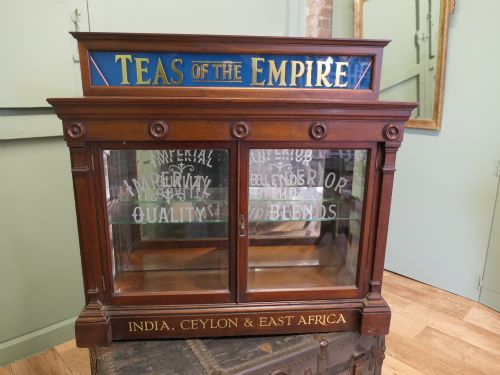
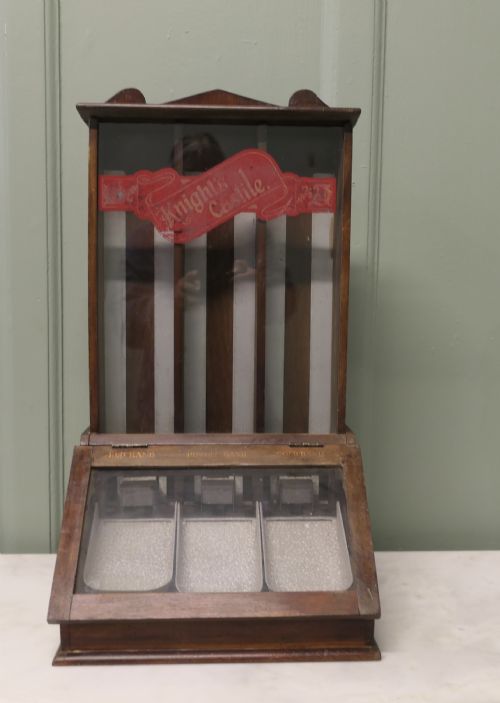
A vintage counter top cabinet is primarily a shop display case, counter, or table top vitrine designed for retail trade and commercial interiors. These pieces range from compact countertop shop display cabinets and mechanical soap dispensers to larger drapers counters and pharmacy display units.
You will most frequently encounter Edwardian and Victorian examples on this page, alongside pieces from the 1890s, 1900s, 1920s, and 1930s. Styles stretch from plain commercial utilitarian designs to Chippendale Revival, Art Deco, and French Country forms.
While many are built from mahogany or oak with glazed panels, the selection also includes pine, metal, brass-framed models, and specialised maple cocktail bars or pencil showcases. Makers and brands such as Fry's, Cadbury's, and Knight's Castile sometimes appear via original sign-writing or dispensing mechanisms.
Materials and construction
Construction relies heavily on durable hardwoods like mahogany and oak, alongside pine for internal or regional builds, joined to support heavy glass panels and frequent daily access. Brass frames and hardware provide structural reinforcement and functional closure mechanisms.
Glazing is central to the form, utilising clear glass to maximise visibility into display cases, counters, and table top cabinets. Interior surfaces are occasionally lined with felt or velvet, while specialised pieces incorporate zinc tops or mechanical dispensing parts.
Vintage Counter Top Cabinet Retail Price Guide 2026
Typical asking prices for vintage counter top cabinet among the pieces listed under this phrase on Sellingantiques today, from the lower quarter to the upper quarter. They describe what is for sale here now, not the wider market.
Some cabinets dispensed soap and pencils rather than serving tea, proving Victorian shops automated impulse buys long before supermarkets arrived.
Evaluating craftsmanship and condition
Quality separates through the integrity of the timber framing and the clarity of the original glazing, with dense hardwoods like mahogany holding up better than softer woods over decades of commercial use. Superior examples retain original hardware, functioning mechanical dispensing parts, and clean interior linings.
Authentic trade provenance, such as genuine period sign-writing for firms like Fry's or pharmacy lettering, elevates a piece beyond generic utility. The sophistication of the joinery, from simple pine frames to refined Chippendale Revival detailing or brass-framed Art Deco lines, dictates the upper tier of the range.
Saml. Elliott & Sons·Quincy Showcase Works·H&L Epstein
The Vintage Counter Top Cabinet Glossary
- Vitrine
- A glass-fronted cabinet or display case specifically designed for exhibiting small objects or retail goods. These enclosures protect contents from dust while offering complete visibility.
- Drapers counter
- A long shop counter traditionally utilised in textile and clothing retail for measuring and folding fabrics. They often feature large surface areas and banks of drawers or lower storage.
- Sign-written
- Painted lettering on glass or timber that denotes the original commercial branding or mercantile use of a cabinet. This lettering provides direct historical context about the trade the piece served.
- Mechanical dispensing
- A built-in functional mechanism that delivers goods automatically when operated by a customer or clerk. These additions are typical in specialised soap or pencil display units.
Vintage Counter Top Cabinet: Frequently Asked Questions
What is a vintage counter top cabinet?
A vintage counter top cabinet is a small glazed showcase or display unit originally built for retail shops, pharmacies, and general stores to present goods to buyers.
Today, these pieces serve as tabletop display cases in domestic settings for collecting and organising small items.
How were these cabinets used?
Merchants placed them directly on shop counters to showcase confectionery, soaps, stationery, and pharmaceuticals while keeping stock secure.
The glass top and panels allowed customers to inspect merchandise clearly before making a purchase.
How do I date a cabinet?
Dating relies on identifying timber types, construction methods, and stylistic cues such as Edwardian proportions or Art Deco brass framing.
Original commercial sign-writing and maker stamps also help narrow down the period of production.
How do I live with one?
These cabinets fit easily onto sideboards, desks, or kitchen counters, providing functional enclosed storage with high visibility.
Their glass panels require gentle cleaning to maintain transparency and protect historic wood or brass frames.