




Vintage Corner Desk
Vintage corner desk designs offer practical workspace solutions shaped from mahogany, oak and walnut across Georgian, Victorian and Edwardian periods.
Vintage Corner Desk
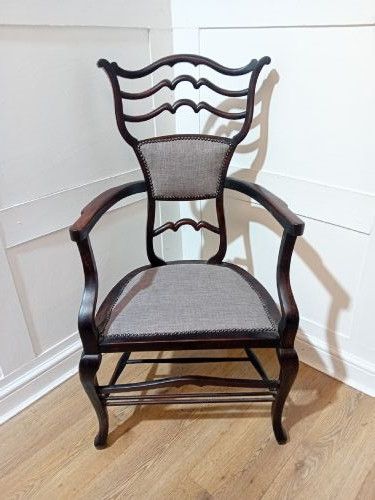
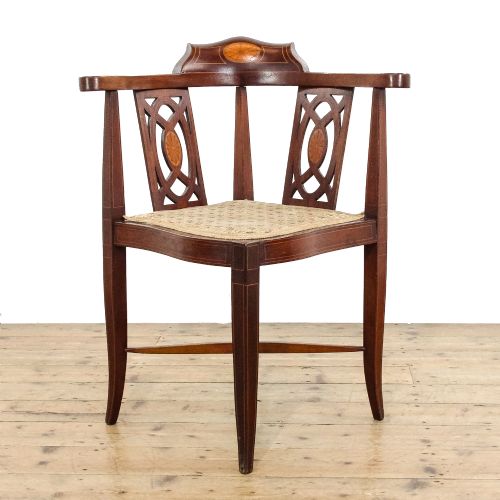
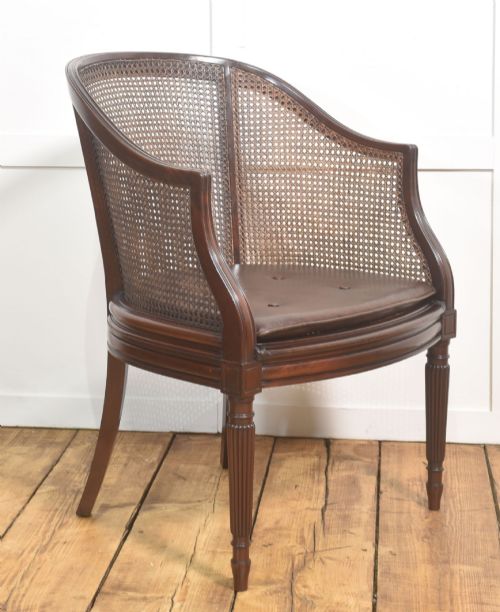
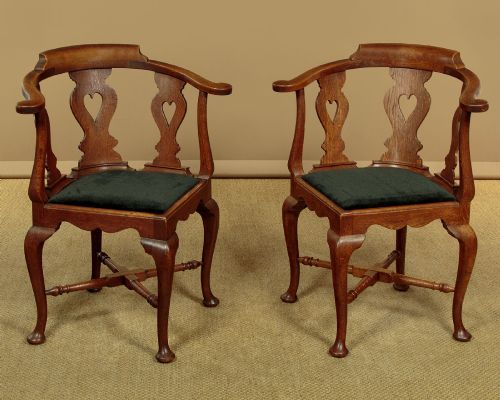
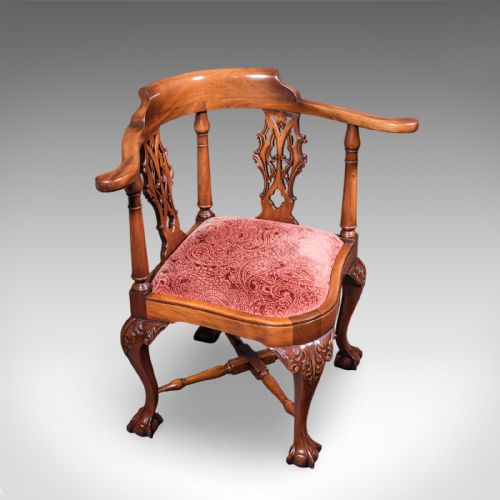
A vintage corner desk encompasses practical writing furniture and related seating designed to fit compact room angles. Buyers searching for a vintage corner desk will most commonly find timber writing tables, campaign desks and pedestal desks alongside supporting corner chairs.
The pieces span Georgian, Victorian, Edwardian and early twentieth century eras. These items utilise traditional cabinetmaking forms to maximise awkward floor space while providing functional writing surfaces.
Materials and construction methods
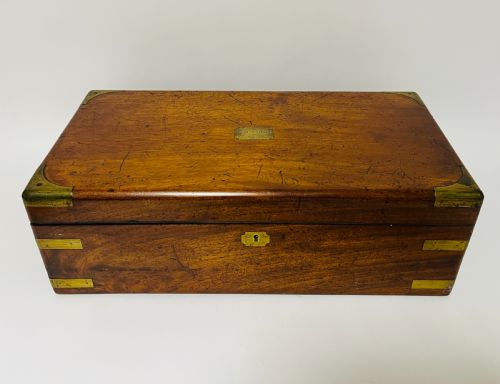
Cabinetmakers constructed these desks and associated seating primarily from dense hardwoods like mahogany, oak, walnut and satinwood. Joinery often incorporated brass bound corners, inlaid wood detailing and cane or rush inserts.
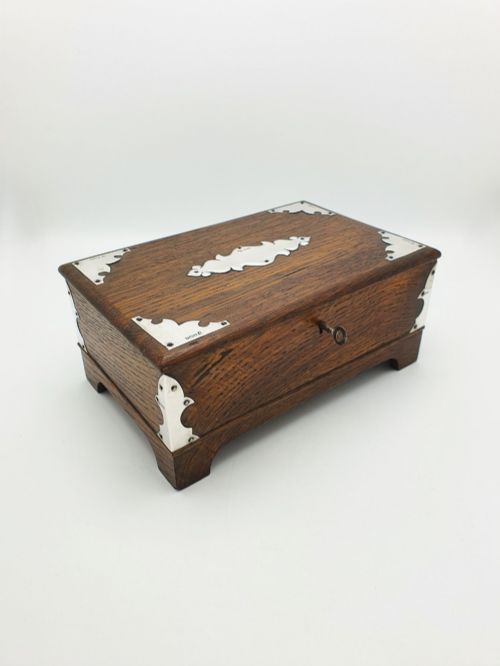
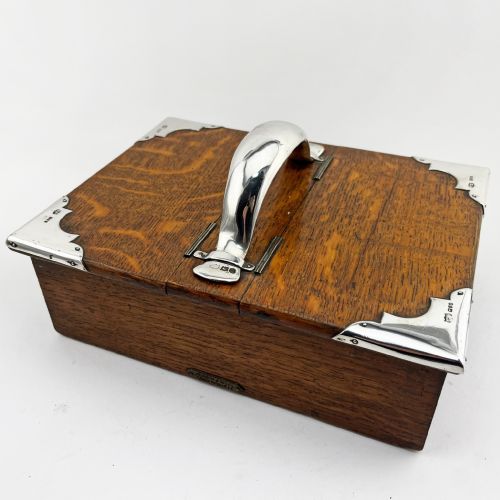
Writing surfaces frequently featured inset leather panels, while smaller boxes and slopes utilised sterling silver mounts. Carved wooden frames relied on traditional pegged or glued joints handed down through generations of makers.
The documented pieces span mahogany, oak, walnut, satinwood, brass, fabric, leather, cane and sterling silver across Georgian, Victorian and Edwardian periods.
Distinctions in quality and execution
Quality separates pieces through the selection of figured timber veneers and the precision of inlaid woodwork. Superior examples exhibit clean dovetail joints, original brass hardware and well-preserved structural integrity without excessive restoration.
The refinement of carved details and the durability of secondary timbers determine the standing of each piece. Lesser items show hurried assembly or replacement hardware, whereas finer specimens retain their original finish and balanced proportions.
S&H Jewell·Mappin & Webb
The Vintage Corner Desk Glossary
- Campaign desk
- A portable writing desk constructed in sections with brass corners and recessed handles for military transport.
- Writing slope
- A hinged box that opens to reveal a slanted writing surface and internal compartments for stationery.
- Corner chair
- A seating form featuring a curved backrest supported by posts, designed to fit directly into room angles.
- Inlay
- Decorative ornamentation created by embedding contrasting pieces of wood or metal into the primary timber surface.
- Pedestal desk
- A heavy freestanding writing table supported by two vertical banks of drawers.
Vintage Corner Desk: Frequently Asked Questions
How do I fit a vintage corner desk into a small room?
Measure the wall angle and clearance space carefully before placement.
These compact writing pieces slot directly into unused corners to preserve open floor area.
Were corner desks used for writing or display?
Primary construction focused on functional daily correspondence and record keeping.
Many examples include fitted interior compartments for inkwells, pens and stationery.
How do I care for leather desk inserts?
Clean the surface gently with a soft dry cloth and avoid harsh chemical cleaners.
Condition the leather periodically to prevent drying and cracking over time.
How do I distinguish Edwardian pieces from Victorian ones?
Edwardian items often display lighter satinwood inlay and more delicate proportions.
Victorian designs tend towards heavier timbers, darker finishes and sturdier brass hardware.