



Vintage Copperware
Vintage copperware brings warmth and weight to a kitchen, offering solid metal vessels that hold a rich culinary history.
Vintage Copperware
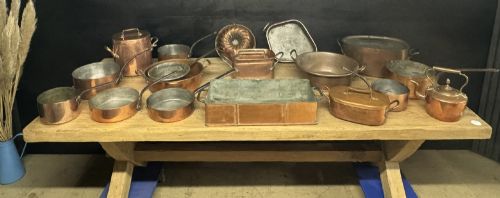
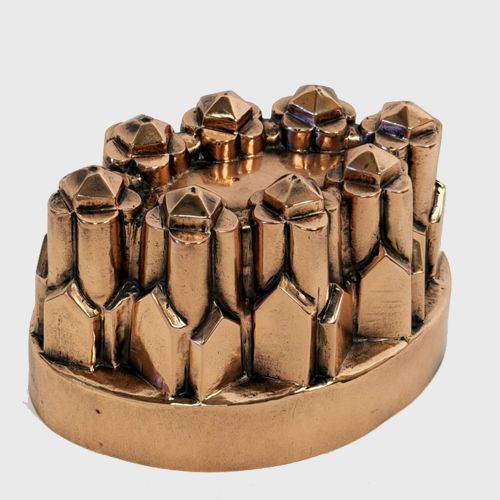
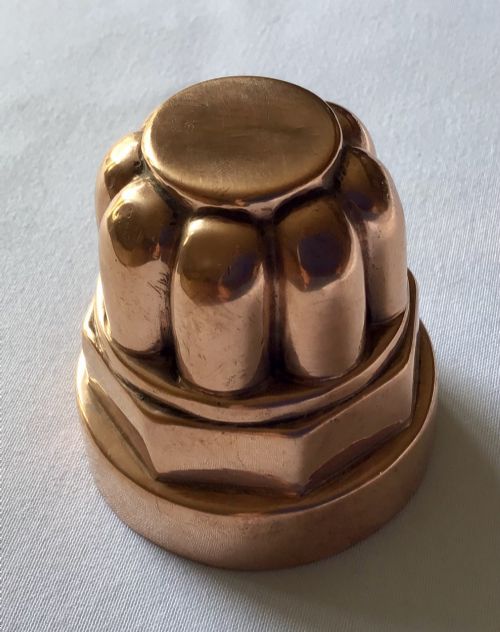
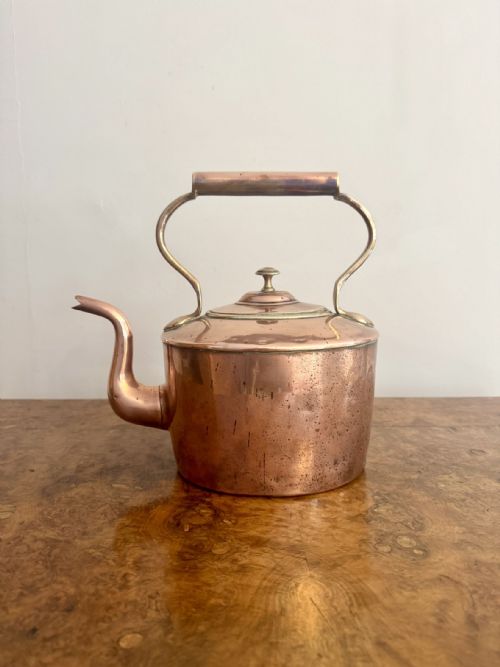
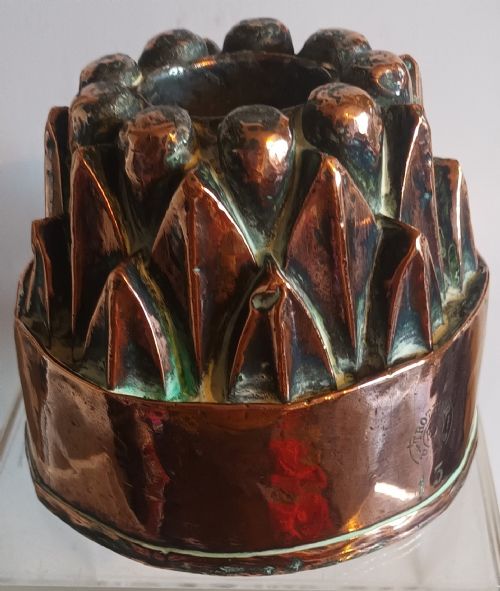
Vintage copperware encompasses a range of heavy metal kitchenalia and decorative items spanning the nineteenth century and the early twentieth century. Buyers seeking vintage copperware will encounter practical kitchen vessels such as kettles, saucepans, cooking pots, and culinary jelly moulds alongside decorative trays.
The selection here draws heavily from Victorian and George III periods, featuring distinct regional styles like nineteenth century French pieces and Arts and Crafts collections. These objects range from utilitarian cooking pans designed for heavy hearth use to intricate food moulds and embossed decorative pieces.
How these pieces were made
Items in this collection utilise heavy gauge copper beaten or formed into shape, often featuring fitted brass handles, iron fastenings, or wooden elements. Many interior cooking surfaces retain their original tin linings, which were applied to prevent the copper from reacting with food during preparation.
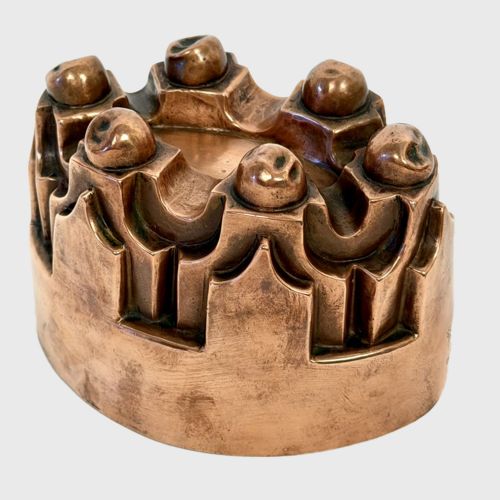
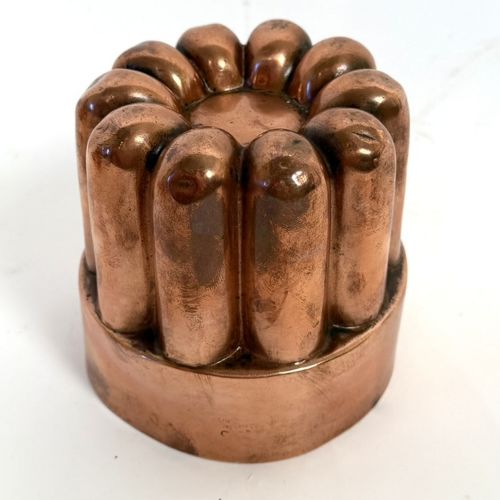
Decoration on these items relies on structural form, such as the fluted designs on jelly moulds, or surface work like the floral relief seen on Art Nouveau trays. Construction methods show the hand of the metalworker through seam joins, riveted handles, and hammered textures.
Vintage Copperware Retail Price Guide 2026
Typical asking prices for vintage copperware among the pieces listed under this phrase on Sellingantiques today, from the lower quarter to the upper quarter. They describe what is for sale here now, not the wider market.
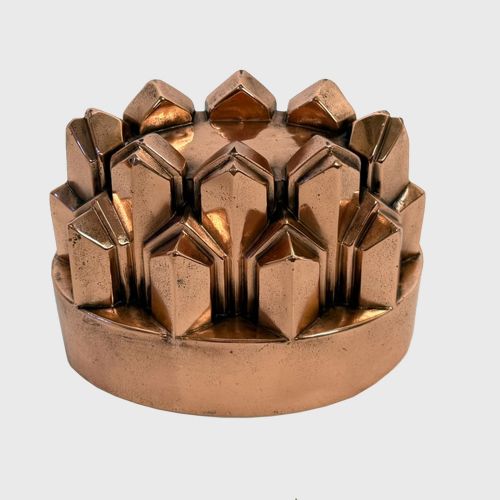
Some nineteenth century jelly moulds were engineered with such complex internal geometry that getting the dessert out cleanly required genuine geometric skill.
What varies in quality
Quality in these metal objects rests upon the thickness of the metal sheet and the integrity of the original construction rather than surface shine alone. Heavier copper gauges and robust structural joining indicate items built for rigorous daily kitchen service rather than light display.
The sophistication of the form also dictates the standing of a piece, separating utilitarian vessels from finely detailed George III kettles or crisp nineteenth century French moulds. Surviving original linings and untouched patination further distinguish superior examples from heavily altered pieces.
Trottier
The Vintage Copperware Glossary
- Copper
- A reddish-brown metallic element prized for its thermal conductivity and durability in kitchen vessels. It forms the primary material base for the pans, kettles, and moulds in this collection.
- Tin lining
- A protective metallic coating applied to the interior surface of cooking vessels. This layer prevents acidic foods from reacting directly with the copper.
- Jelly mould
- A rigid culinary container featuring internal geometric or figurative shapes. These vessels shaped jellies and aspics for formal dining tables.
- Ferrat
- A specific form of nineteenth century French culinary vessel used in traditional food preparation. It represents specialised kitchen metalware from continental workshops.
Vintage Copperware: Frequently Asked Questions
Are vintage copper kettles safe for daily use?
Many older kettles remain structurally sound, though their suitability depends entirely on the condition of the internal lining and the base.
Buyers intending to boil water regularly should check that the tin interior is intact and free from exposed copper.
How do I clean antique copperware safely?
Maintaining these metals requires gentle cleaning products formulated specifically for copper to avoid removing the natural historic surface.
Aggressive scrubbing or harsh chemical dips can strip away the accumulated patination that develops over centuries.
What is a culinary mould used for?
Kitchen moulds shaped various foods, including moulded aspics, jellies, and puddings, before being chilled and turned out for service.
These shaped vessels were decorative as well as practical, often stamped with geometric patterns or family crests.
How can I tell a George III kettle from a Victorian one?
George III pieces typically date around eighteen hundred and display distinct Georgian proportions, handle designs, and fabrication techniques.
Victorian items often incorporate heavier cast elements and reflect the expanding industrial manufacturing methods of the later nineteenth century.