



Vintage Copper Helmet
These vintage copper helmet examples range from domestic fireside coal scuttles to maritime scale models, formed to hold fuel or display craftsmanship.
Vintage Copper Helmet
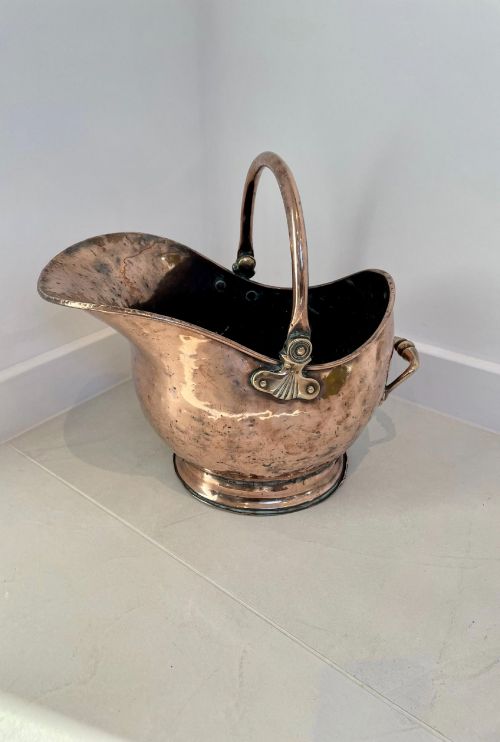
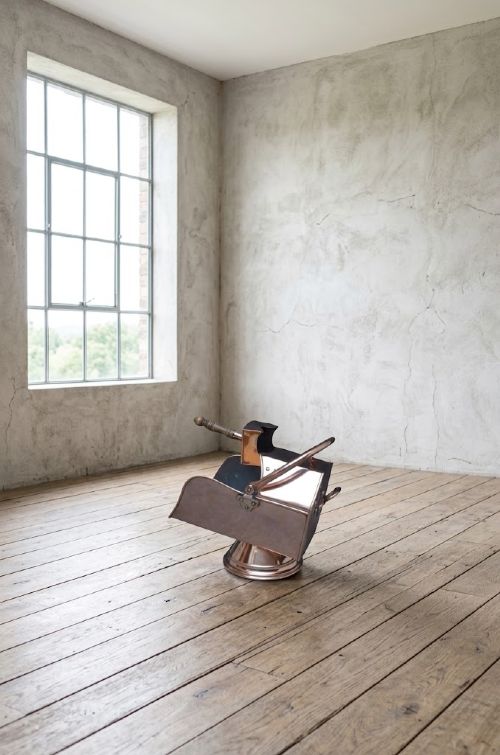
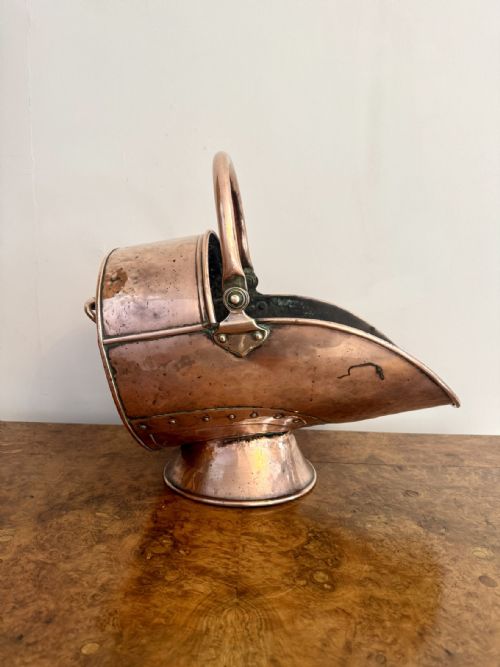
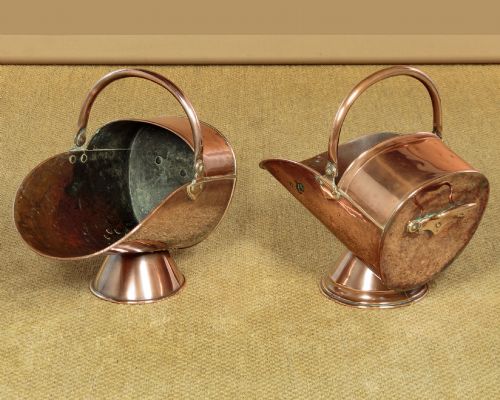
When you search for vintage copper helmet, you find a selection dominated by nineteenth-century and Victorian fireside coal scuttles shaped like helmets, alongside occasional maritime diving pieces. These domestic accessories sit by the hearth, combining practical fuel storage with polished metal display.
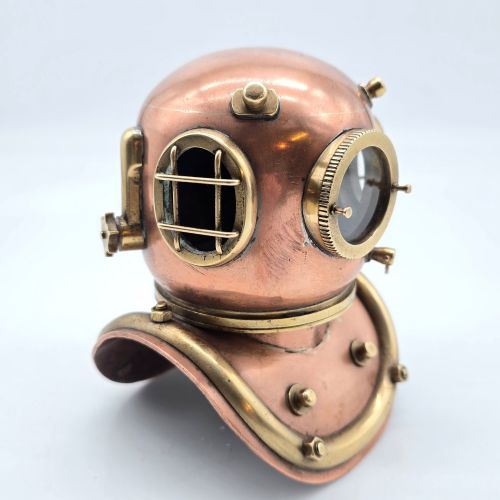
The domestic coal scuttle version appears most frequently, often featuring a flared helmet mouth and a swing handle. Alongside these, occasional scale models of diving helmets and maritime gear emerge from the nineteenth and early twentieth centuries.
What varies in quality
The distinction between ordinary and superior pieces rests on the weight of the metal and the crispness of the hand-beaten finish. Heavier copper sheeting and robust brass mounts indicate sturdier construction and greater durability.
Refined detailing in the handle attachments and balanced proportions separate utilitarian fuel containers from finer decorative examples. The presence of crisp embossing or hand-hammered texturing marks the work of more capable workshops.
Materials recorded across these items comprise copper, brass, iron, wrought iron, wood, and glass.
Siebe Gorman
The Vintage Copper Helmet Glossary
- Coal Scuttle
- A domestic container designed for holding coal near a fireplace, frequently shaped like a helmet in nineteenth-century examples. These vessels typically include a swing handle and a flat base for stability.
- Diving Helmet
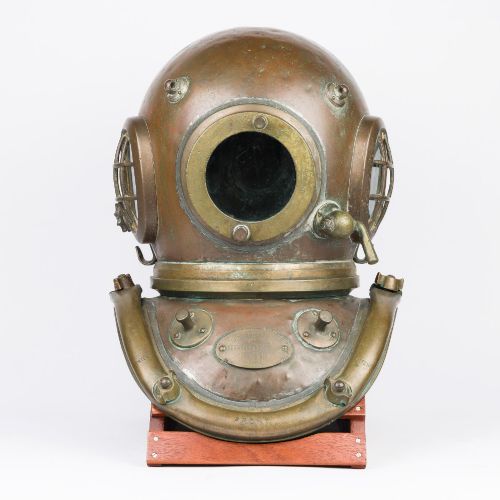
- A rigid waterproof headpiece used by deep-sea divers, appearing in this selection as nineteenth-century scale models or engineer-made pieces. They incorporate brass fittings and viewing ports.
- Hammer Beaten
- A surface finish created by striking sheet metal with a hammer to shape the vessel and leave decorative facets. This technique shows the direct hand of the maker on the copper body.
Vintage Copper Helmet: Frequently Asked Questions
What is a vintage copper helmet coal scuttle?
It is a traditional fireside container shaped with a distinctive helmet profile, used originally to carry and store coal for an open fire. The wide mouth allows easy scooping while the handle facilitates transport from the fuel store.
Most examples date from the Victorian period or the nineteenth century, forged from sheet copper with brass or iron fittings. They served a purely domestic function before becoming decorative fireplace accessories.
How do I date a copper helmet?
Dating relies on observing stylistic markers, manufacturing techniques, and the combination of materials such as brass, wrought iron, and wood. Victorian pieces often display embossed decoration or heavy hand-beating.
Earlier examples from the George III period show simpler lines, while later Arts and Crafts or Edwardian items exhibit distinct surface textures. Comparing the handle construction and fixing methods helps narrow the decade of production.
Were diving helmets used at home?
Full-size diving helmets were strictly professional maritime equipment used for underwater salvage and engineering. However, scale models and miniature engineer-made versions were produced as desk ornaments or display pieces.
These miniature items replicate the brass ports and fittings of working maritime gear on a smaller scale. They represent a different category of metalwork compared to domestic fireside scuttles.
How do I clean antique copper?
Cleaning antique copper requires gentle handling to preserve the aged patina that accumulates over generations. Harsh chemical polishes can strip the surface character built up since the nineteenth century.
Using mild, non-abrasive cleaners helps remove dust and grime without destroying the subtle tonal variations in the metal. Many collectors prefer to leave a warm, mellow finish rather than achieving a bright, modern shine.