





Vintage Conservatory Stand
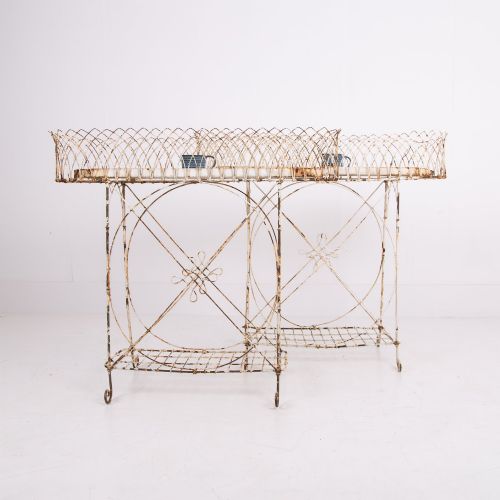
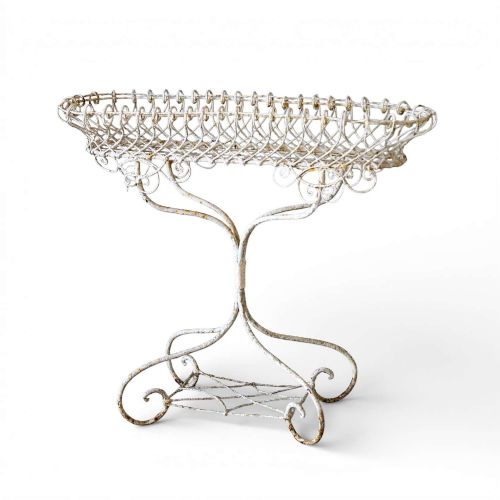
A vintage conservatory stand brings botanical charm into domestic interiors, offering tiered wirework and iron frames designed to display plants and curiosities.
Vintage Conservatory Stand
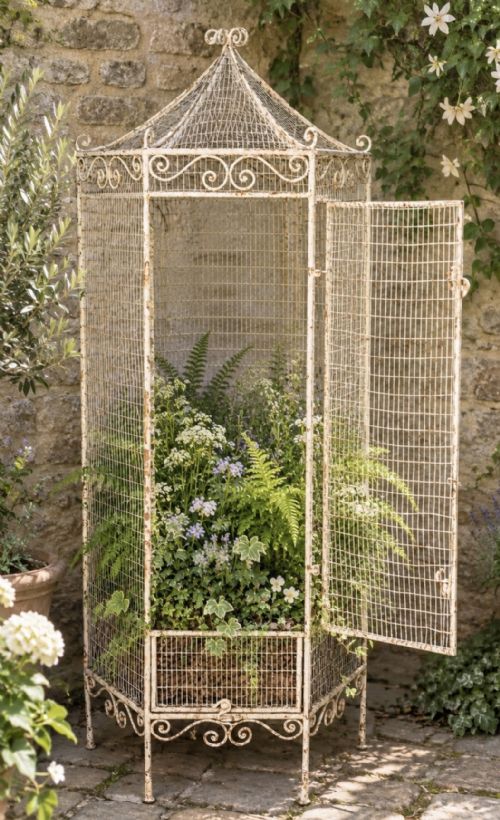
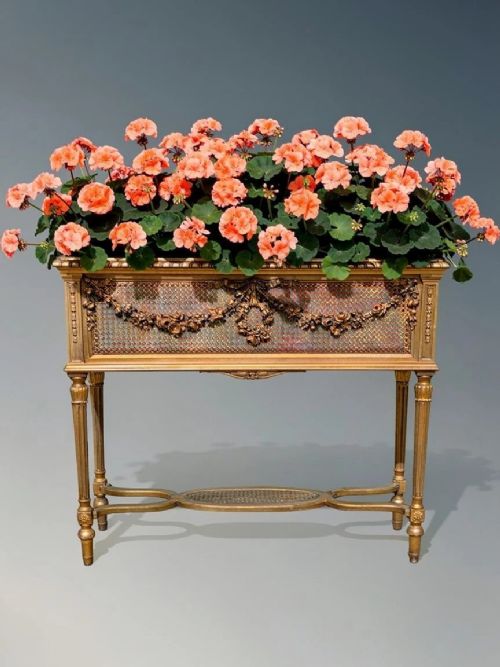
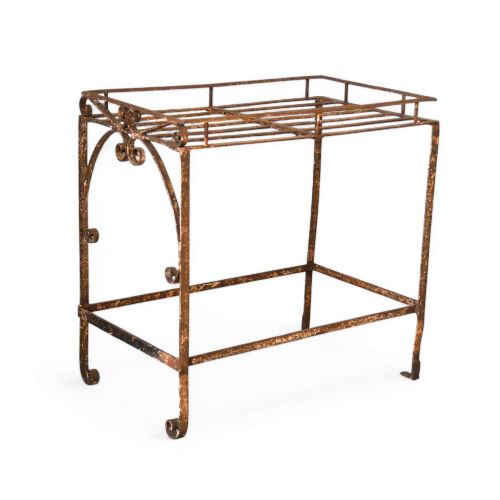
A vintage conservatory stand encompasses functional plant holders, tiered wirework planters, and bakers racks originating from the nineteenth and early twentieth centuries. These pieces serve primarily to elevate flora and decorative objects within glasshouses, garden rooms, and domestic parlours.
The selections available here span from Victorian and Edwardian wirework jardiniere frames to French country bakers racks and estate-made wrought iron garden racks. Plant stands and plant stands with lattice basket tops represent the core forms encountered across these listings.
Origins stretch from English country houses to French chateaux, utilising robust metals intended originally for sheltered outdoor or conservatory use. Buyers encounter varied configurations including corner units, wall racks, and substantial tiered plant displays.
How they were made
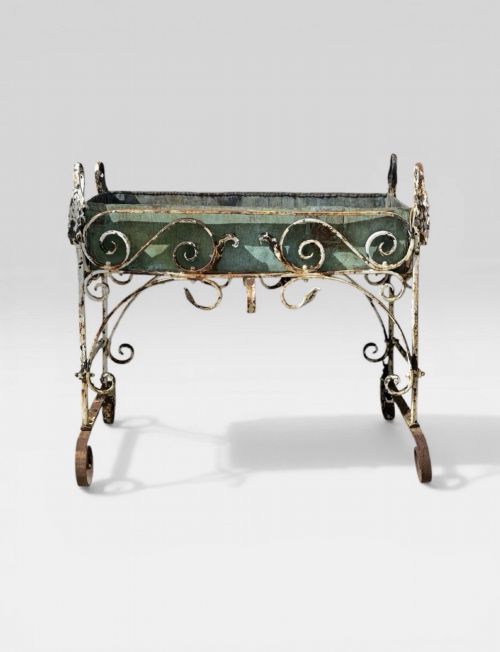
Construction relies heavily on wrought iron, cast iron, and wirework, often joined with riveted iron construction to ensure structural stability for heavy pots. Artisans shaped metal into scrollwork, lattice basket tops, and strapp work frames using traditional blacksmithing techniques.
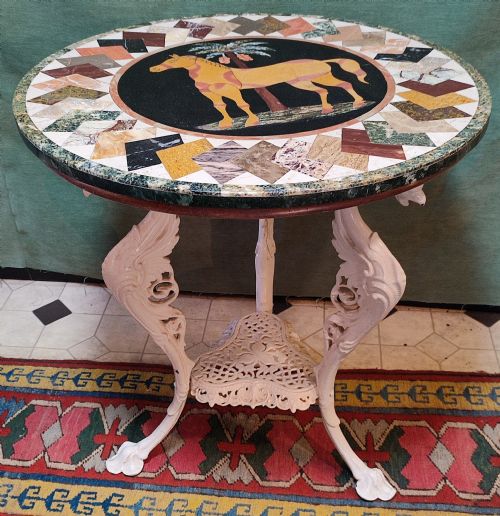
Surface finishes include white paint, applied patinas, and giltwood detailing on specific indoor planter variants. Materials such as brass, zinc, and wire mesh appear in related objects like birdcages and specialised jardinieres, pairing metalwork with marble tops in select Edwardian tables.
Vintage Conservatory Stand Retail Price Guide 2026
Typical asking prices for vintage conservatory stand among the pieces listed under this phrase on Sellingantiques today, from the lower quarter to the upper quarter. They describe what is for sale here now, not the wider market.
Several stands spent their youth holding ferns instead of pastries.
What varies in quality
Quality separates through the intricacy of scrollwork and the architectural presence of the iron or wirework frame. Substantial weight, hand-riveted joints, and balanced proportions distinguish estate-made pieces from standard utility items.
The integrity of original painted surfaces and the finesse of lattice basket construction dictate desirability among collectors. Pieces retaining their structural rigidity alongside decorative elements command greater attention than heavily altered variants.
The Vintage Conservatory Stand Glossary
- Wirework
- Metal strands woven or welded into open lattices and baskets. This technique defined lightweight yet sturdy plant stands intended for nineteenth-century glasshouses.
- Jardiniere
- An ornamental pot or stand designed to hold plants or flowers. These vessels range from zinc garden urns to elaborate wirework tiered planters.
- Bakers rack
- A tall metal shelving unit featuring slatted or wire shelves. Originally utilised in French boulangeries, these frames function as adaptable storage and display stands in modern interiors.
- Giltwood
- Timber treated with a thin layer of gold leaf or gilt. This material elevates select planters beyond utilitarian garden furniture into refined interior furnishings.
Vintage Conservatory Stand: Frequently Asked Questions
What is a vintage conservatory stand used for?
These stands serve primarily to display potted plants, trailing foliage, and decorative objects in a vertical arrangement. Their open metal construction allows light to reach plants from multiple angles while saving floor space.
Historically placed in Victorian and Edwardian conservatories, they transition easily into modern living rooms, kitchens, and garden rooms as distinctive shelving or plant displays.
How do I care for iron plant stands?
Wrought iron and wirework frames benefit from gentle dusting and occasional cleaning with a dry or slightly damp cloth. Avoid harsh chemical cleaners that might strip historical painted surfaces.
Protect interior flooring by placing felt pads under metal feet, and use saucers beneath potted plants to prevent water from resting directly on historic metal or painted finishes.
Are these stands suitable for outdoor use?
Many pieces originated as garden or conservatory furniture built from durable iron and wire mesh. However, historical pieces with original paint or delicate giltwood require shelter from persistent dampness and rain to preserve their condition.
Placing them on a covered patio or porch protects the metal and any surviving finish from unnecessary weathering while maintaining their decorative garden aesthetic.