


Vintage Concealed Blade
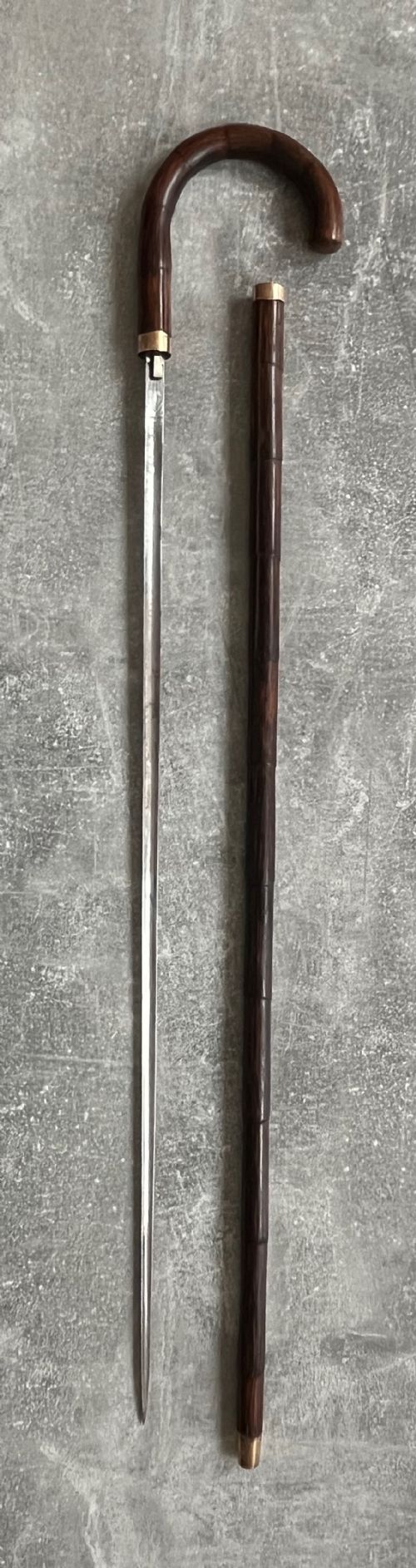
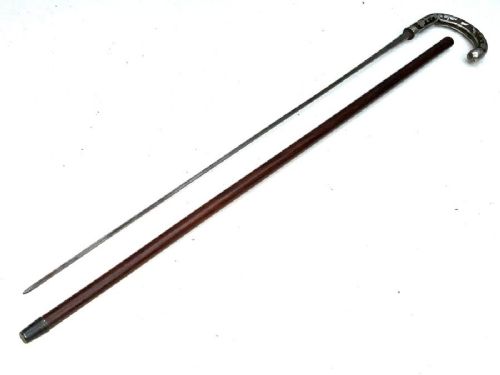
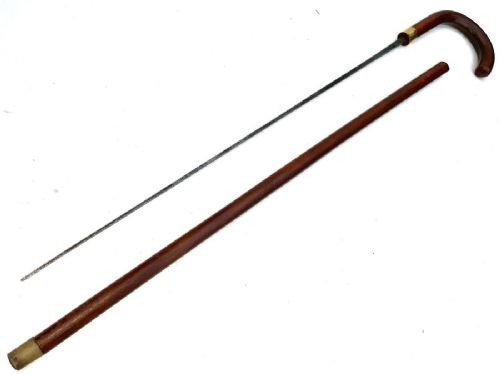
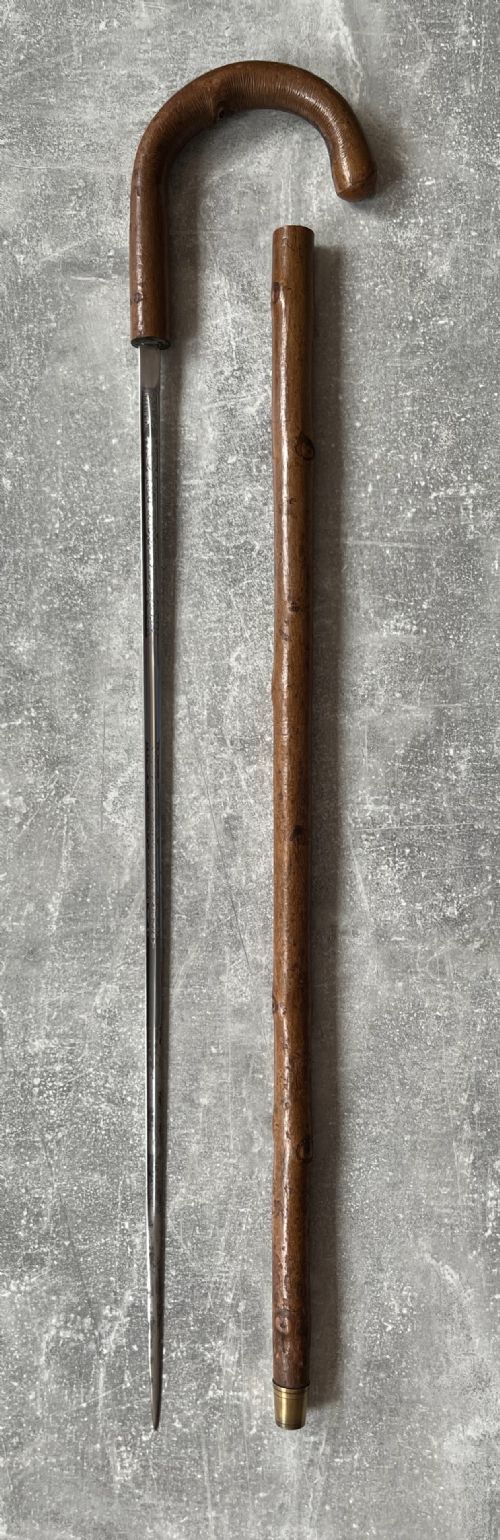
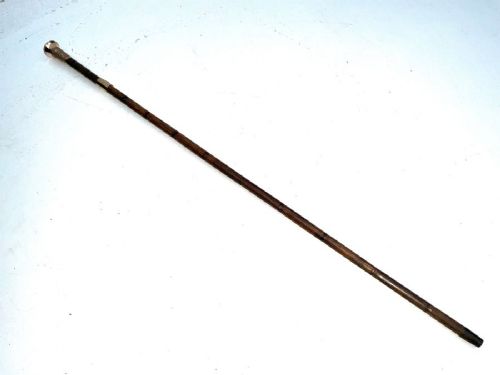
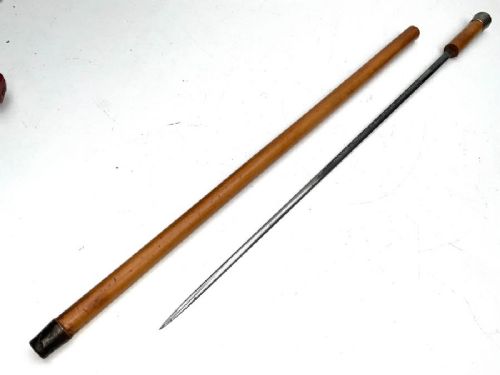
These vintage concealed blade pieces are primarily historical walking sticks housing hidden steel swords, offering both daily utility and covert self-defence.
Vintage Concealed Blade
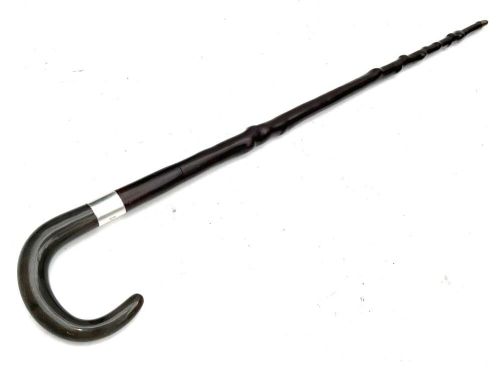
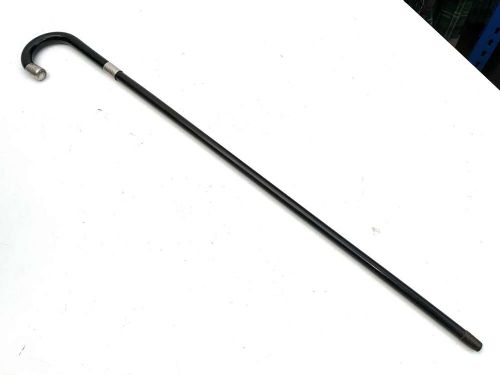
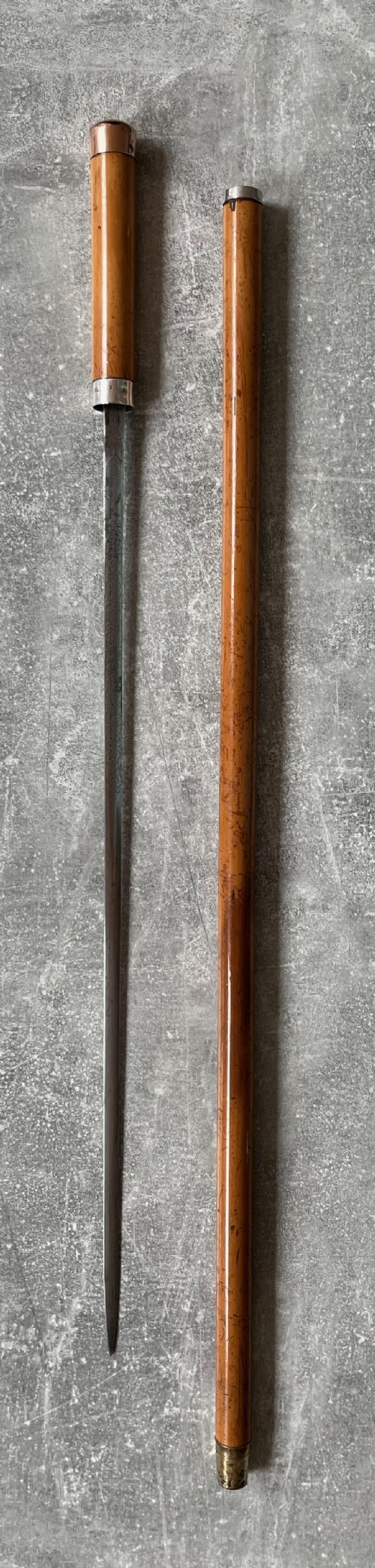
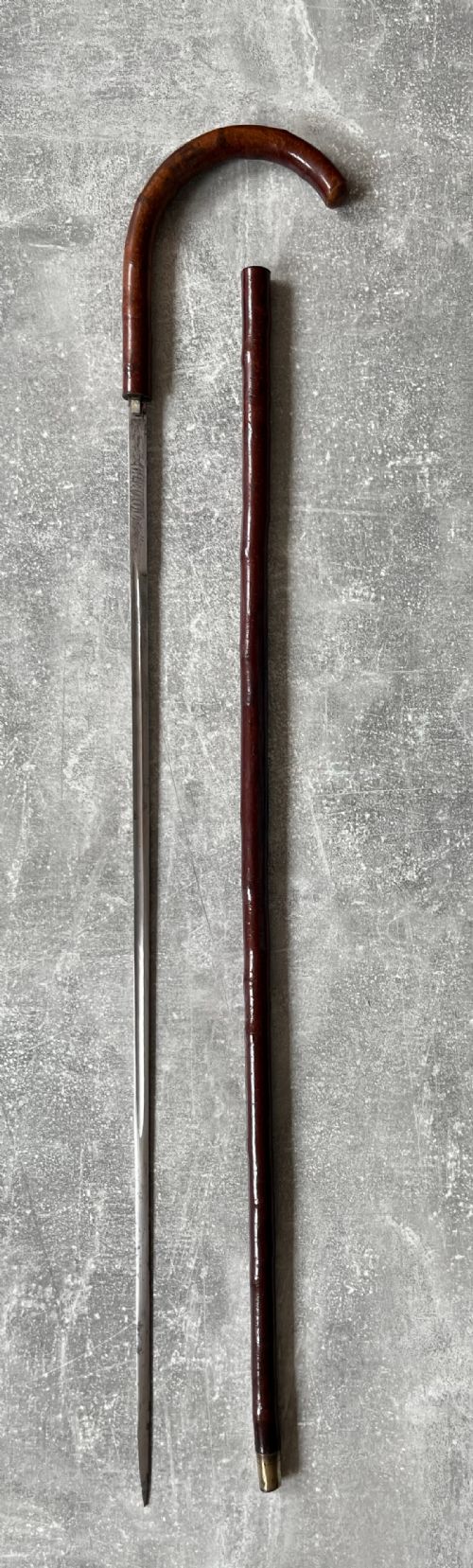
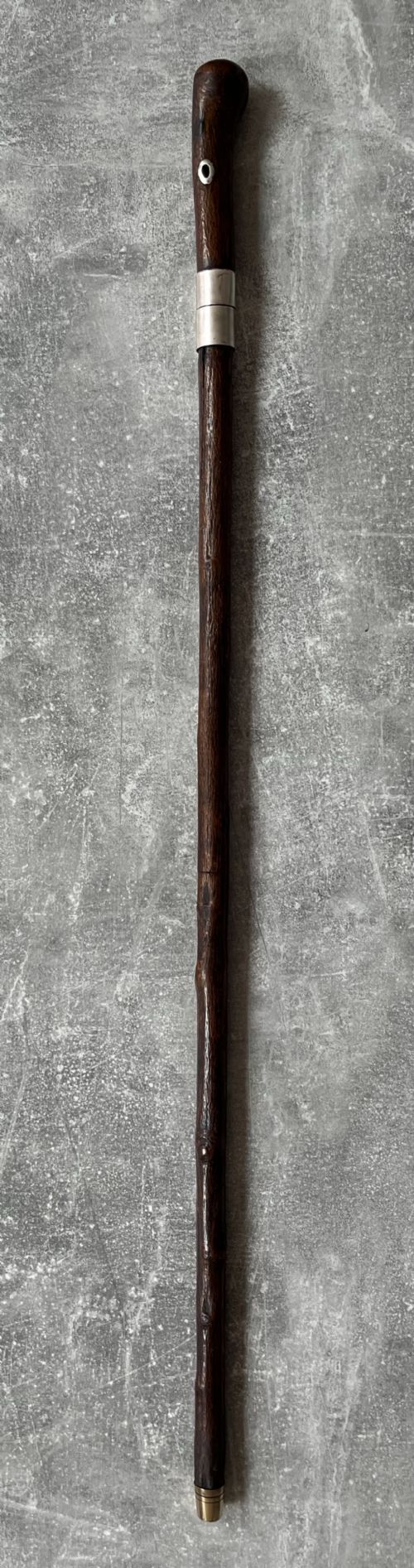
When you search for vintage concealed blade items, you encounter walking sticks and canes that double as concealed edged weapons. These objects range from standard gentlemen's walking sticks to military swagger sticks and Masonic variants.
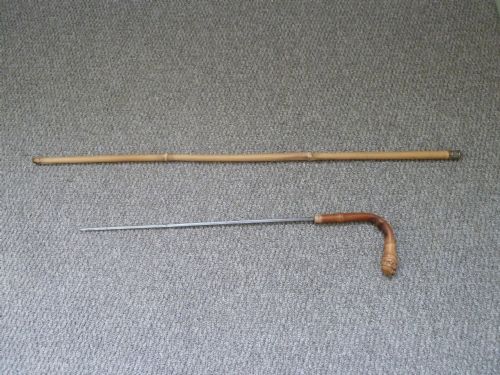
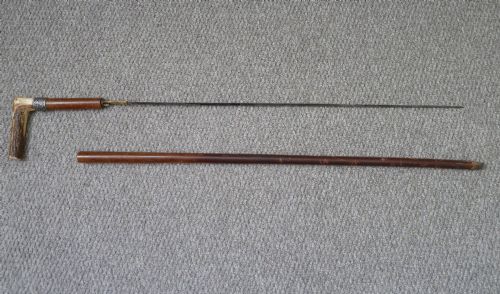
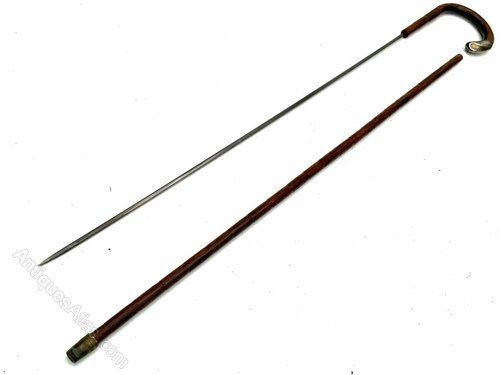
The most common version met on this page is the Victorian or Edwardian sword stick, usually featuring a wooden shaft paired with a metal blade released by a button or friction fit.
How They Were Made
Maker workshops utilised natural materials like malacca cane, bamboo, partridge wood, hazel, and horn for the shafts and handles, often adding silver collars, gold plate, or bone knops for decoration.
The concealed blades inside were forged from steel, frequently incorporating Toledo or Wilkinson production methods, and matched with brass or leather components to secure the shaft and blade together.
Vintage Concealed Blade Retail Price Guide 2026
Typical asking prices for vintage concealed blade among the pieces listed under this phrase on Sellingantiques today, from the lower quarter to the upper quarter. They describe what is for sale here now, not the wider market.
Listings feature items spanning the Victorian, Edwardian, and nineteenth-century periods, constructed from steel, malacca cane, bamboo, horn, and silver.
What Varies in Quality
Quality rests in the precision of the join between the shaft and the handle, where superior examples achieve a seamless profile that hides the blade entirely from view until released.
The standard of the metalwork inside the shaft, from the engraving on the steel blade to the solidity of the silver mounts and button release mechanisms, defines the upper tier of these pieces.
Brigg·Wilkinson
The Vintage Concealed Blade Glossary
- Sword stick
- A walking stick containing a hidden blade within its shaft. It functioned as a dual-purpose accessory for personal protection during the nineteenth and early twentieth centuries.
- Malacca cane
- A mottled, stout rattan from Southeast Asia prized for flexibility and strength. It served as a primary shaft material for high-grade walking canes.
- Toledo blade
- A steel blade produced in Toledo, Spain, known historically for tempering and flexibility. These blades were frequently imported and fitted into British walking sticks.
- Swagger stick
- A short cane carried by military officers as a symbol of authority. Versions with concealed blades provided a secondary defensive capability.
- Knop
- The ornamental knob forming the handle of a walking stick. Materials range from carved horn and bone to silver and porcelain.
Vintage Concealed Blade: Frequently Asked Questions
What is a vintage concealed blade?
A vintage concealed blade is typically a walking stick or cane housing a hidden steel sword inside its wooden or bamboo shaft.
These pieces were produced during the nineteenth and early twentieth centuries for gentlemen, military officers, and civilians requiring discreet personal protection.
How do you release the blade?
Most concealed blades use a button release mechanism built into the collar or handle, while others rely on a secure friction fit.
Pressing the button or pulling the handle separates the shaft to reveal the steel blade housed inside.
What materials are the shafts made from?
Shafts utilise various timbers and natural materials including malacca cane, bamboo, partridge wood, hazel, cherrywood, and blackthorn.
Handles and mounts frequently incorporate silver, brass, horn, bone, leather, and porcelain.
How do you date a sword stick?
Dating relies on stylistic markers such as handle materials, metal hallmarking dates on silver collars, and manufacturing signatures on the steel blades.
Victorian and Edwardian examples predominate, displaying craftsmanship specific to the late nineteenth and early twentieth centuries.