






Vintage Commercial Desk
These vintage commercial desk pieces are heavy-duty working furniture designed for offices, shops, and public spaces, offering genuine period character.
Vintage Commercial Desk
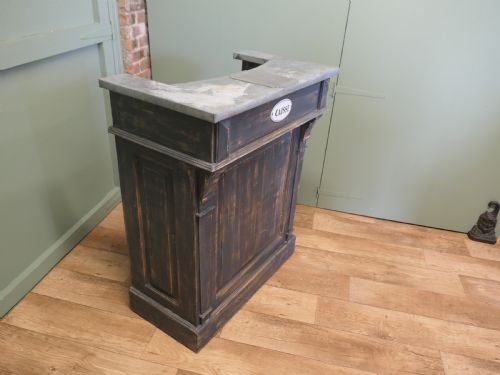
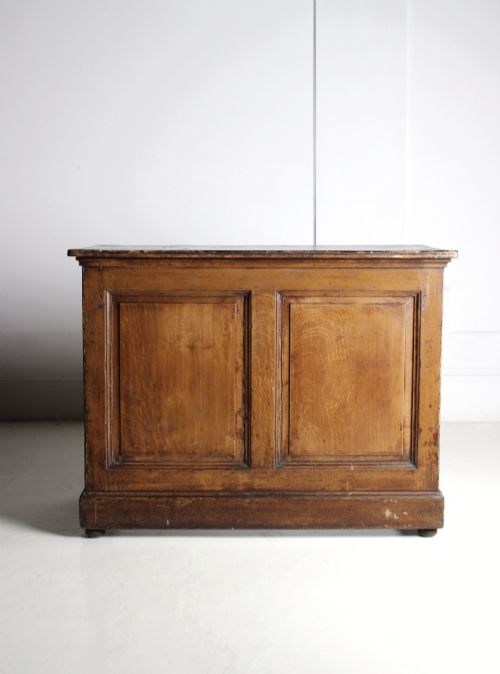
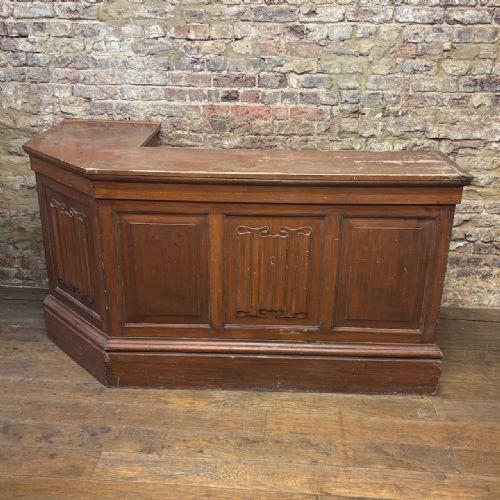
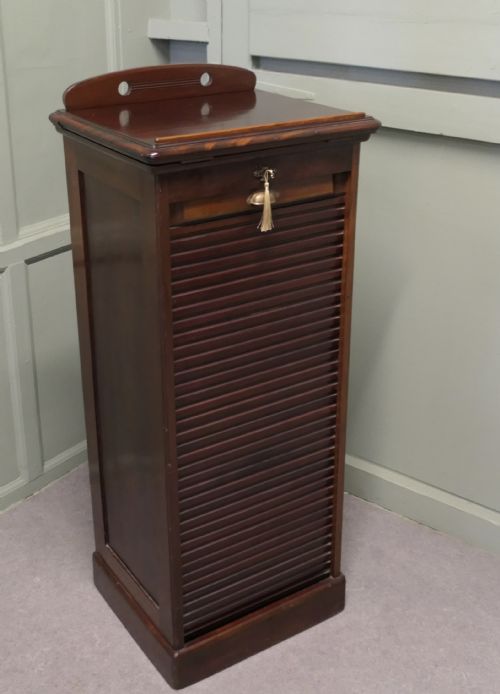
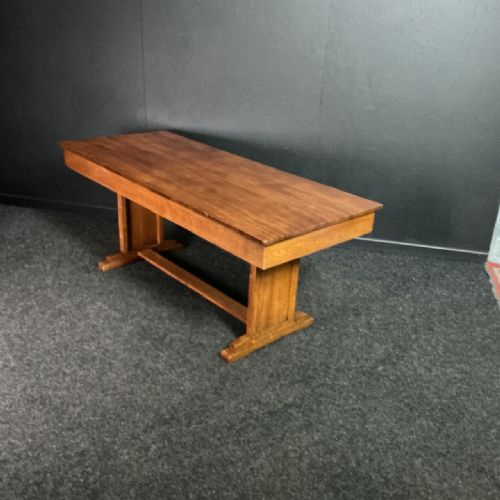
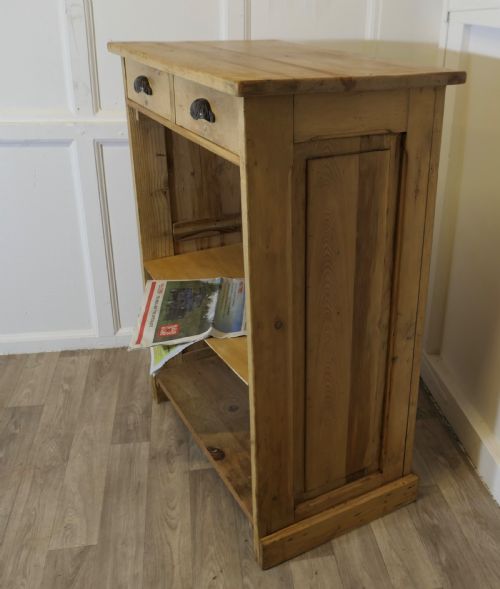
When you search for a vintage commercial desk, you encounter robust utility furniture built for daily trade, post offices, schools, and offices rather than domestic parlours. The pieces on this page span the 19th Century, Victorian era, 1920s, 1930s, and 1940s, taking forms such as shop counters, wages desks, library tables, filing cabinets, and sorting tables.
You are most likely to meet practical oak and pine items, alongside specialised pieces like greeting stations, watchmaker's cabinets, and inkwells. These items reflect the specific demands of historical commerce, administration, and hospitality, from post offices to insurance agents.
How they were made
Makers utilised sturdy hardwoods and softwoods, predominantly solid oak and pine, often paired with brass hardware and leather inserts for writing surfaces. Construction prioritized durability under heavy daily use in commercial and institutional settings.
Surfaces frequently show applied paint finishes, faux wood graining, or natural timber treatments sealed with early glazes. Structural elements include panelled joinery, adjustable feet, and specialised internal compartments tailored for sorting letters, coins, or documents.
Vintage Commercial Desk Retail Price Guide 2026
Typical asking prices for vintage commercial desk among the pieces listed under this phrase on Sellingantiques today, from the lower quarter to the upper quarter. They describe what is for sale here now, not the wider market.
Listings feature pieces from the 19th Century, Victorian period, 1920s, 1930s, and 1940s, utilising oak, pine, mahogany, and brass.
What varies in quality
Simpler utility items made for basic back-room tasks contrast with heavily panelled reception counters and specialised watchmaker cabinets designed for public display or precision work. The distinction lies in the ambition of the original commission and the grade of materials selected by the maker.
Jarrold and Sons
The Vintage Commercial Desk Glossary
- Wages desk
- A specialised workspace historically used for paying workers, typically featuring a sloping top and secure storage for cash and ledgers.
- Sorting table
- A utilitarian bench or table designed for organising mail, documents, or goods, often fitted with numerous compartments or deep surfaces.
- Greeting station
- A reception or host desk built for commercial hospitality and entrance areas, intended to manage visitors in hotels, restaurants, or public buildings.
- Desk tidy
- A desktop organizer or letter rack designed to hold stationery, inkwells, and correspondence in professional offices.
- Faux oak
- A painted or decorated surface finish applied to cheaper softwoods like pine to imitate the appearance of more expensive figured oak.
Vintage Commercial Desk: Frequently Asked Questions
What is a vintage commercial desk?
A vintage commercial desk is heavy-duty workspace furniture built for offices, shops, and institutions during periods ranging from the Victorian era to the mid-20th century. These pieces were designed specifically for trade, administration, and public service rather than domestic use.
They include diverse forms such as wages desks, sorting tables, library tables, and reception counters, constructed from solid timbers like oak and pine.
How do I live with a commercial desk?
Integrating a commercial desk into a modern interior works best by placing it as a central workspace or console table where its utilitarian character can stand out. Pairing it with simple seating lets the historical joinery and timber grain take visual precedence.
Maintenance involves regular dusting and preserving original surface finishes, whether natural oak or painted pine, by avoiding excessive moisture and direct heat.
How do I date these desks?
Dating relies on observing construction methods, timber selection, and hardware styles associated with specific periods such as the Victorian era, the 1920s, or the 1930s. Plain pine items with hand-cut joinery often point to the nineteenth century, while later mid-century pieces display streamlined office designs.
Comparing structural details like panel assembly, brass fittings, and integrated organizational compartments helps place a piece within its historical manufacturing era.