
Vintage Column Lights
These vintage column lights bring classical architectural weight to an interior, combining sturdy pedestals with warm illumination.
Vintage Column Lights
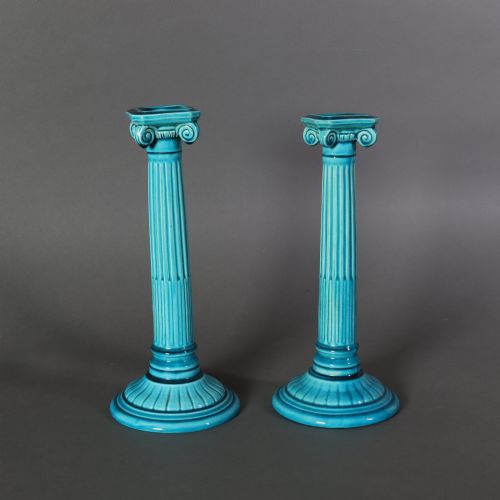
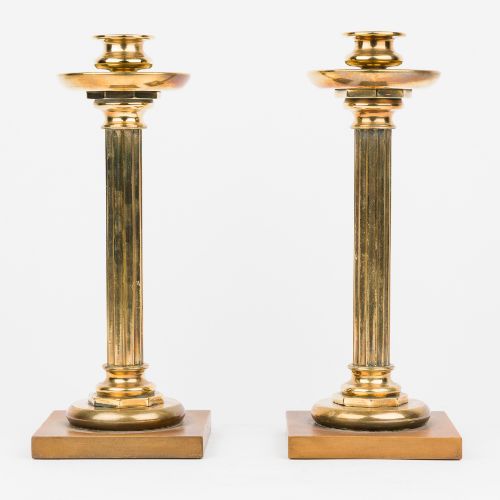
When you search for vintage column lights, you encounter vertical forms rooted in classical architecture, primarily adapted as table lamps, oil lamps, floor lamps, and candlesticks.
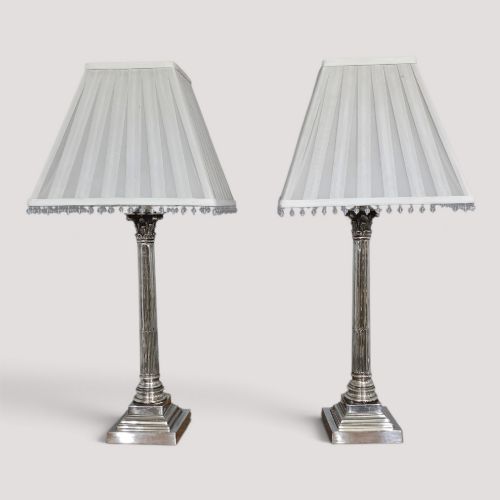
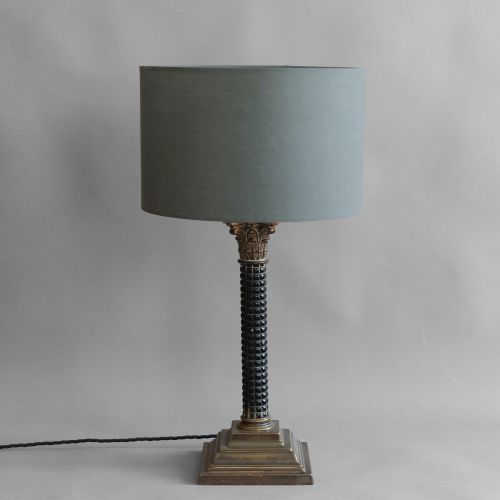
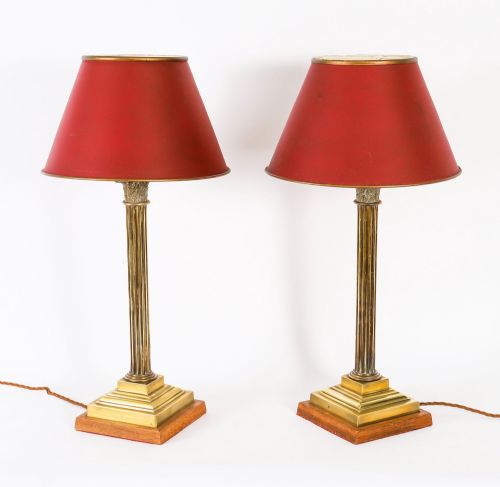
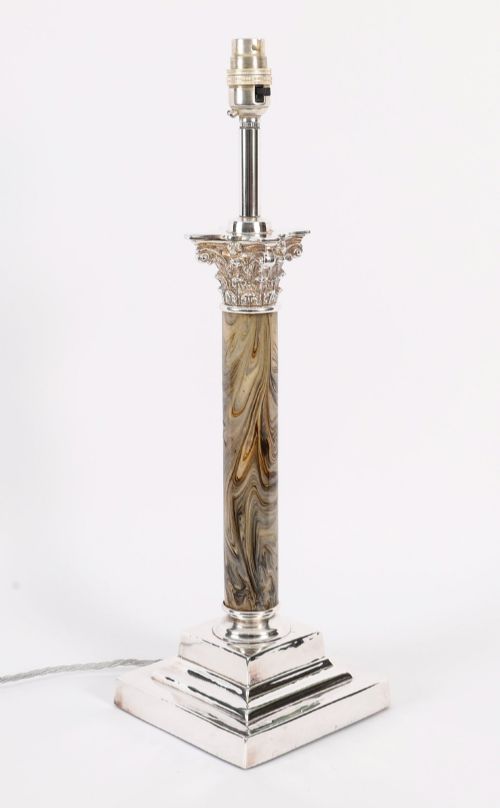
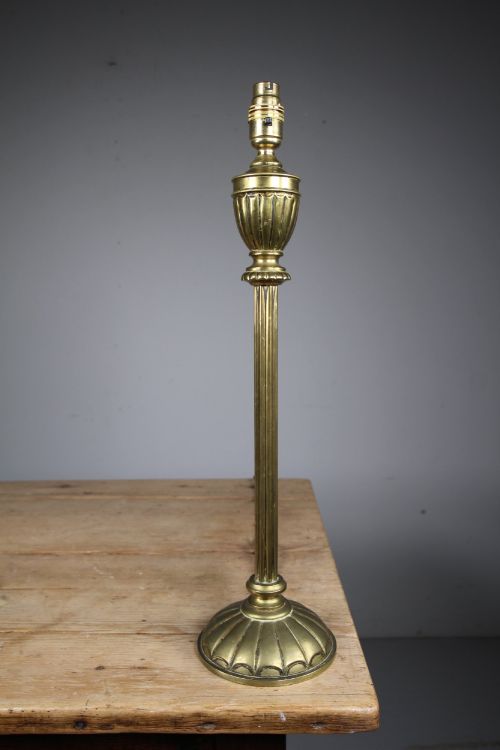
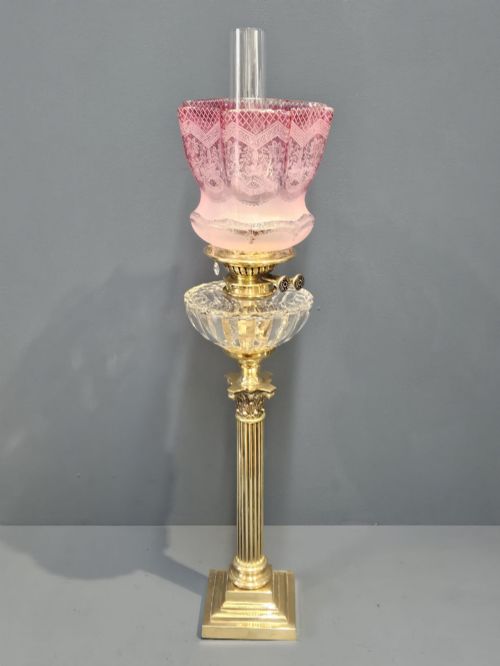
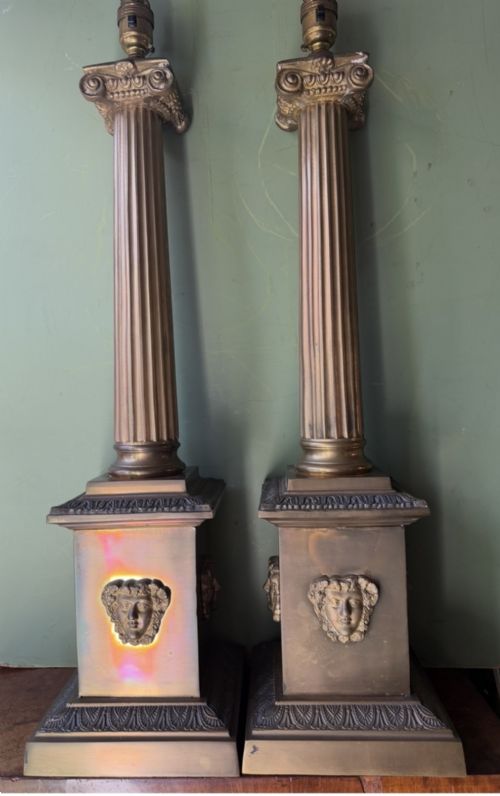
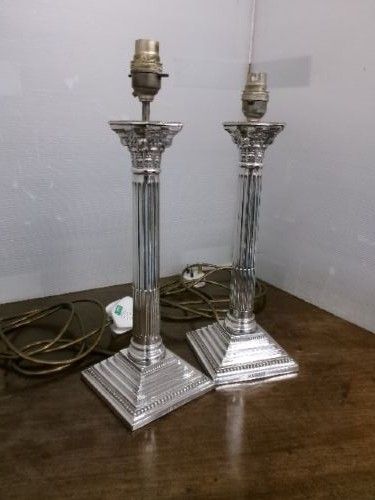
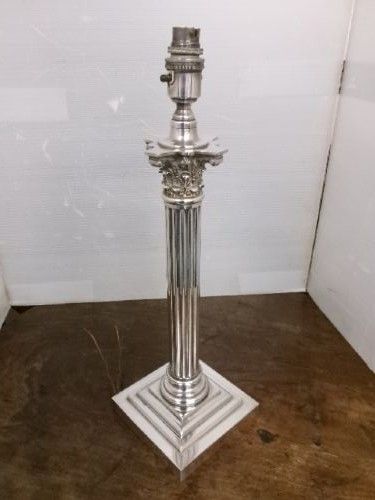
The most common examples on this page are brass Corinthian column table lamps dating from the Victorian and Edwardian eras, alongside silver-plated and marble variations.
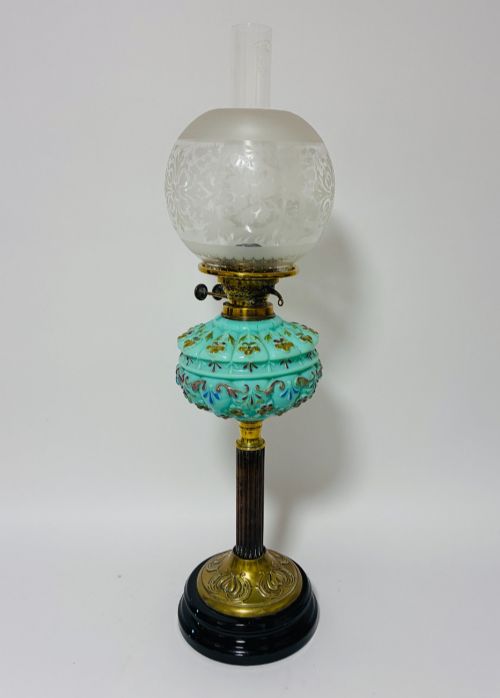
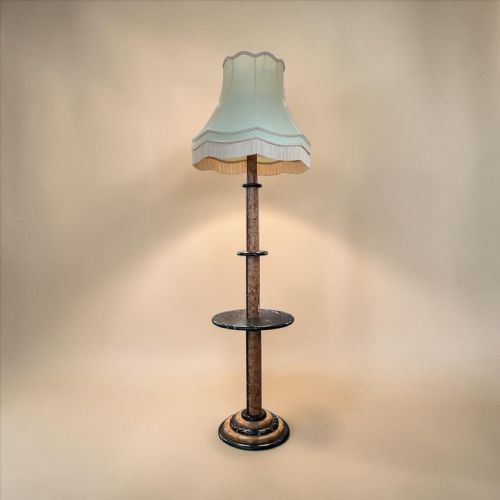
These pieces range from late 19th-century oil lamps converted for electrical use to early 20th-century standard lamps and classical revival pairs.
Materials and construction
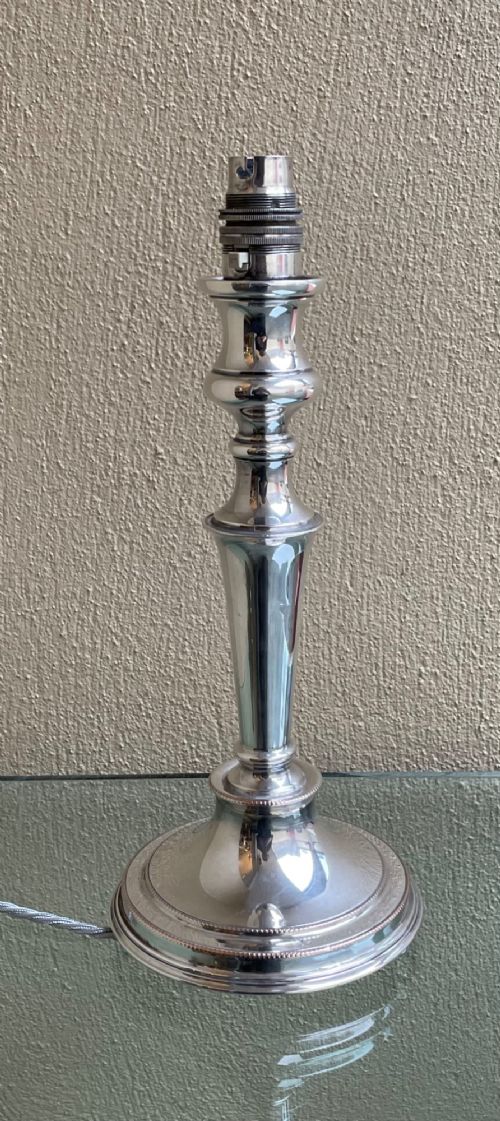
The construction relies heavily on cast brass, silver plate, and solid marble or onyx, often shaped into fluted or reeded column shafts with ornate capitals.
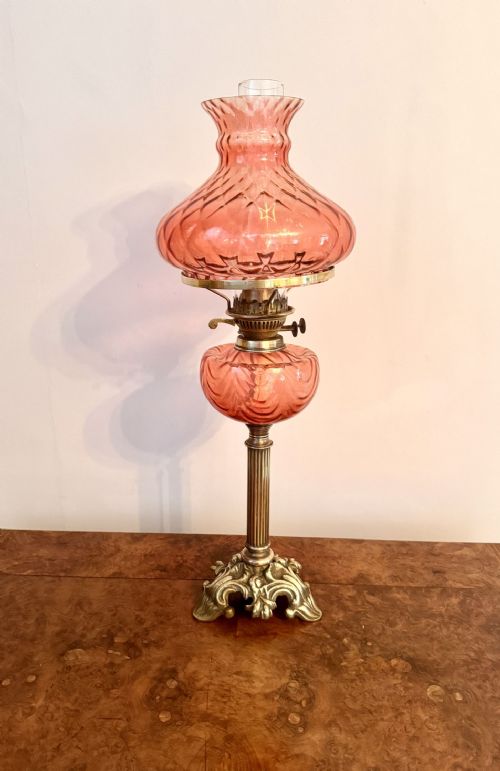
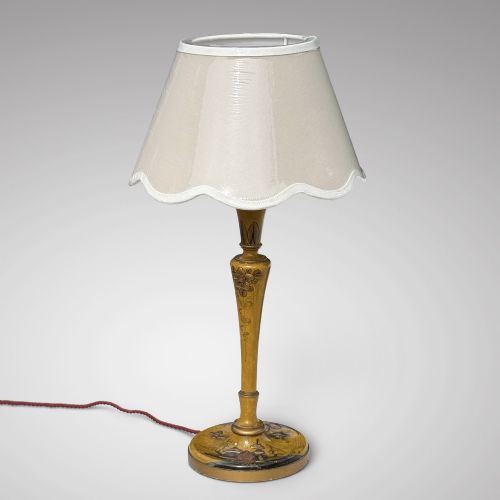
Many examples incorporate contrasting elements such as cranberry glass fonts, ceramic bodies, carved wood, or fabric shades.
Larger floor-standing and oil lamp versions utilise heavy weighted bases to support tall vertical stems and duplex burners.
Listings span multiple decades from the Victorian era through the 1930s, featuring materials such as brass, marble, ceramic, and silver plate.
Factors of quality
Quality rests on the crispness of the casting detail in the column capitals and the substantial weight of the base materials.
Examples featuring matched pairs, heavy gauge silver plating, or integrated ceramic and glass components generally represent the higher tier of production.
The integrity of the structural joinery between the column shaft and the heavy base dictates the overall stability and tactile presence of the piece.
The Vintage Column Lights Glossary
- Corinthian column
- An architectural column order distinguished by ornate capitals decorated with acanthus leaves and scrolls. This motif frequently defines the top section of antique table lamps.
- Duplex burner
- A double-wick mechanism found on Victorian oil lamps designed to produce a brighter flame. These brass fittings often remain intact on converted lamps.
- Reeded column
- A vertical shaft carved or cast with a series of parallel convex ridges running down its length. This decorative technique adds texture to metal and wooden lamp stems.
- Cranberry glass
- A rich pinkish-red glass produced by adding gold chloride to the molten batch. It is frequently seen in Victorian oil lamp fonts and decorative shades.
Vintage Column Lights: Frequently Asked Questions
Are these lamps wired for modern use?
Many examples have been rewired for contemporary electrical standards while retaining their original brass or silver-plated fittings. It remains sensible to have any antique light checked by a qualified electrician before installation.
Original oil lamps frequently undergo conversion to electricity, allowing collectors to utilise them safely as everyday table or floor lighting.
How do I date a column lamp?
Dating relies on examining the materials, manufacturing marks, and stylistic details such as the proportions of the Corinthian capital. Victorian and Edwardian examples often display heavier cast components and distinct patination compared to later reproductions.
The presence of original burners, screw threads, and period ceramic bodies also helps determine whether a piece originates from the nineteenth or early twentieth century.
What is the difference between an oil lamp and a standard lamp?
Oil lamps typically feature a dedicated metal font or glass reservoir designed to hold fuel beneath the burner assembly. Standard lamps, conversely, are taller floor-standing units built primarily to support a light fitting at top height.
Floor-standing standard lamps often incorporate adjustable brass mechanisms or heavy wooden columns suited for illuminating a wider room area.
How do I clean brass and silver-plated columns?
Maintenance requires gentle dusting with a soft cloth to preserve the natural patina built up over decades. Aggressive metal polishes should be avoided, particularly on silver-plated or lacquered surfaces where excessive rubbing removes the finish.
Glass shades and ceramic bodies respond well to warm soapy water, provided they are completely dry before being refitted to the metal base.