



Vintage Coat Hook Mirror
A vintage coat hook mirror combines a practical hallway glass with reliable pegs, bringing functional charm to an entrance.
Vintage Coat Hook Mirror
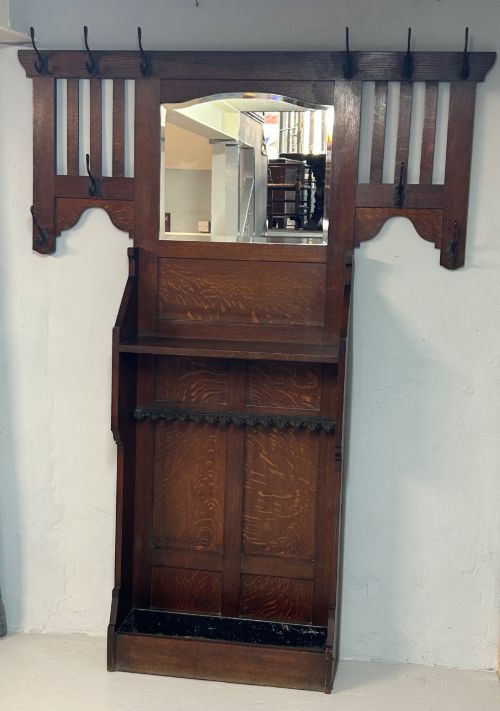
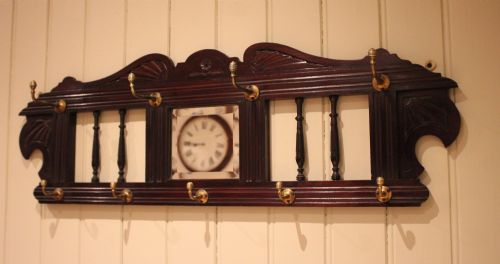
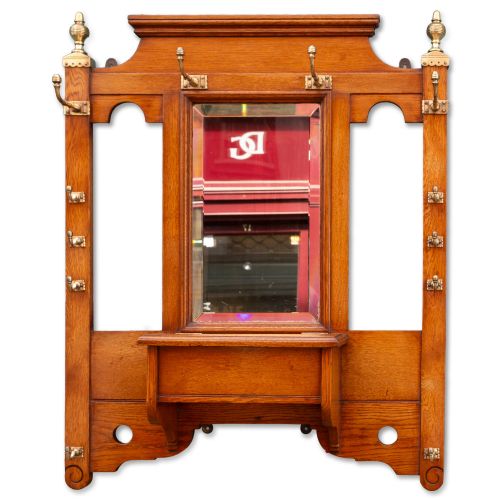
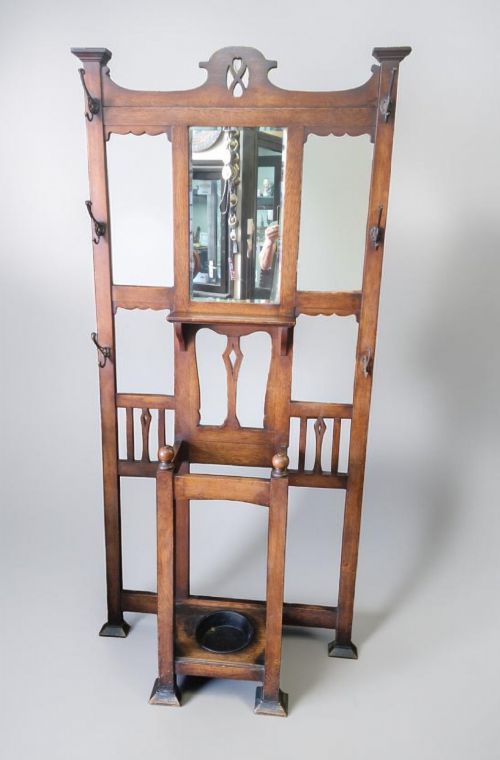
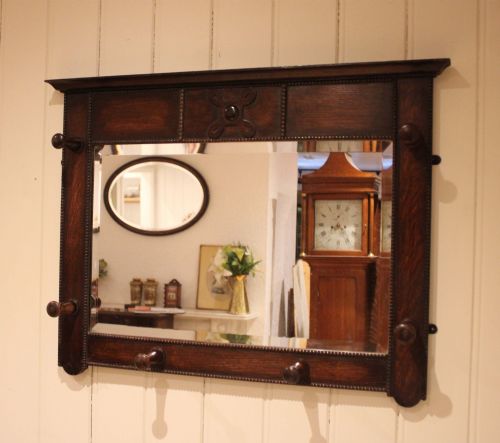
A vintage coat hook mirror serves as an essential hallway accessory, combining reflective glass with sturdy pegs for hanging garments. When exploring vintage coat hook mirror options, buyers encounter wall-mounted racks alongside substantial freestanding hall stands.
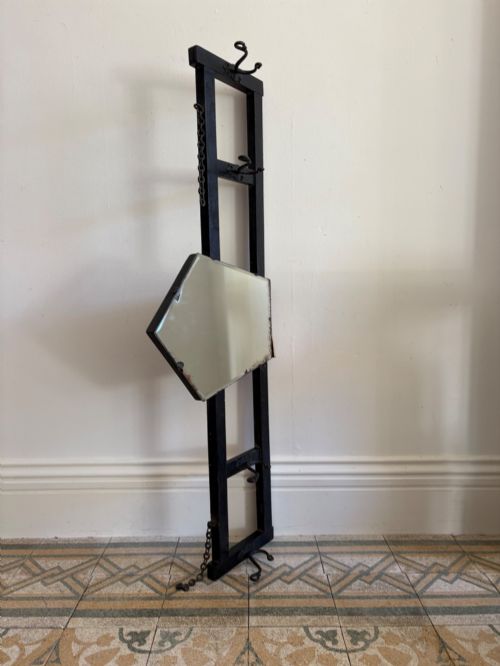
The pieces span various eras from the late nineteenth century through the 1930s, encompassing styles such as Victorian, Edwardian, Art Nouveau, and French Art Deco. Oak, mahogany, walnut, and wrought iron form the primary structures, often incorporating brass fittings and glass plates.
Materials and construction
Cabinetmakers utilised hardwoods like oak, mahogany, and walnut to build sturdy backboards and frames capable of supporting heavy garments. Metal elements, including brass, wrought iron, and chromed steel, were shaped into robust hooks and brackets.
Mirrored glass plates were set directly into wooden frames or secured behind metal galleries. Many pieces integrate ceramic tiles, shelves, and umbrella stands alongside the central mirror and coat hooks.
Vintage Coat Hook Mirror Retail Price Guide 2026
Typical asking prices for vintage coat hook mirror among the pieces listed under this phrase on Sellingantiques today, from the lower quarter to the upper quarter. They describe what is for sale here now, not the wider market.
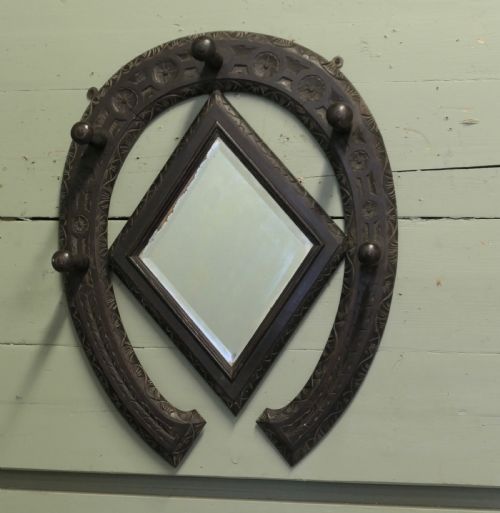
Some nineteenth-century halls were apparently plagued by horseshoes, incorporating them directly into heavy tack and coat racks.
Assessing quality and craftsmanship
Quality in these pieces depends on the selection of timber and the solidity of the framework supporting the hooks. Finer examples feature well-figured mahogany or oak, substantial brassware, and heavy bevelled mirror plates rather than thin veneer and pressed metal.
Design integration separates standard utilitarian items from ambitious decorative pieces. Superior items display harmonious proportions, careful carving, and complete decorative elements such as original ceramic tiles or intact drip pans.
The Vintage Coat Hook Mirror Glossary
- Portmanteau
- A large hall stand combining a mirror, coat hooks, umbrella stands, and sometimes a bench seat. This term often appears in descriptions of substantial French hallway furniture.
- Hall Stand
- A piece of furniture designed for an entrance hall to store outerwear, hats, and sticks. It frequently incorporates a central mirror and multiple coat hooks.
- Art Nouveau
- A decorative style popular around 1900 characterised by flowing, organic lines and floral motifs. Pieces from this period often feature stylised plant forms on the wooden backboard.
- Bevelled Glass
- Mirror glass with an angled edge polished around the perimeter. This technique adds depth and refinement to the reflection.
- Gothic Revival
- A nineteenth-century design style drawing inspiration from medieval architecture. Pieces in this manner may include pointed arches, heavy mouldings, and horseshoe motifs.
Vintage Coat Hook Mirror: Frequently Asked Questions
Where should I hang a wall-mounted coat hook mirror?
These pieces suit entrance halls, porches, and narrow corridors where space is at a premium. They provide a convenient spot for checking appearance and hanging everyday outerwear.
Ensure the wall fixings are secured into solid masonry or studwork to support the combined weight of the timber frame, glass, and heavy winter coats.
How do I care for the original mirror plate?
Clean the glass gently using a soft cloth and mild glass cleaner, avoiding harsh ammonia-based products that can damage antique silvering behind the plate. Take care not to let moisture seep behind the edges of the frame.
Original mirror plates often show light foxing or small dark spots, which are normal signs of age and part of their authentic character.
Can these pieces support heavy winter coats?
Most solid wood and metal racks from the Victorian and Edwardian periods are built to bear substantial weight. The durability depends entirely on how firmly the backboard is anchored to the wall.
Distribute heavier items evenly across the brass or iron hooks to maintain balance and protect the structural integrity of the wooden backplate.
How do I distinguish between Victorian and Art Deco styles?
Victorian and nineteenth-century pieces typically feature dark carved woods, ornate mouldings, and traditional symmetrical designs. They lean towards historic revival styles such as Gothic or heavy classical detailing.
Art Deco items from the 1920s and 1930s favour cleaner geometric lines, streamlined shapes, and industrial influences using iron, chrome, and polished light woods.