



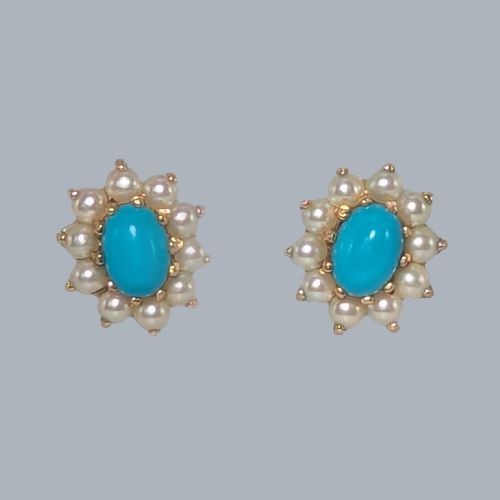
Vintage Cluster Studs
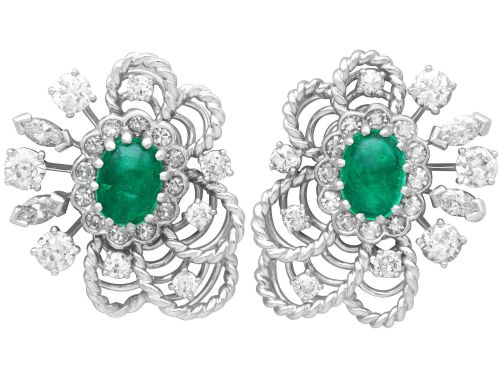
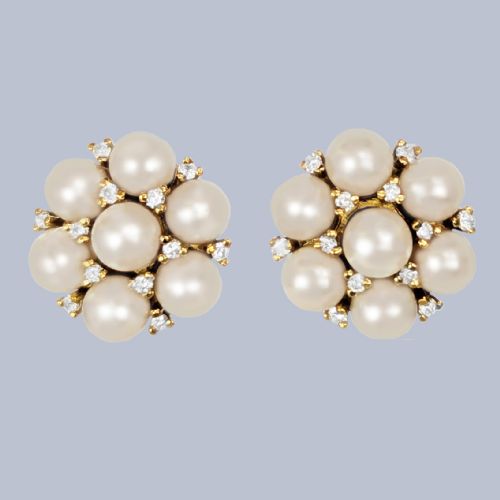
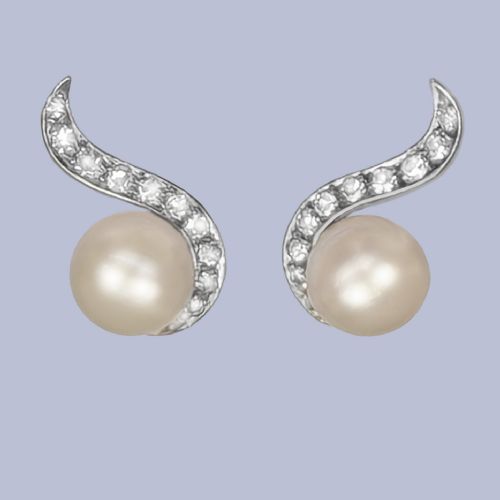
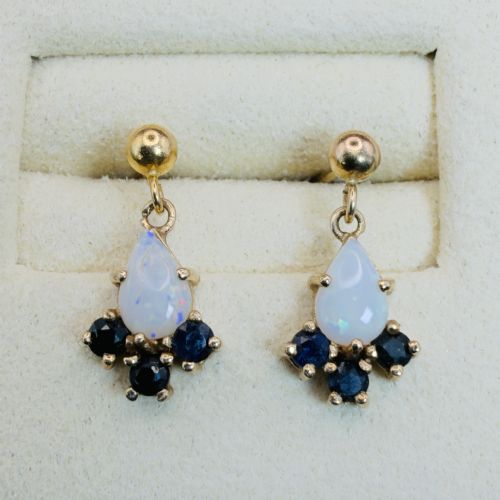
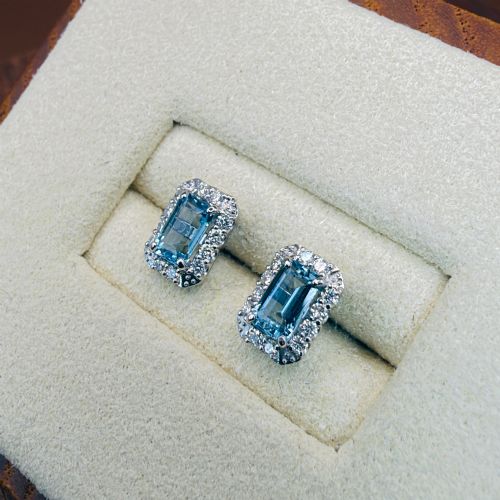
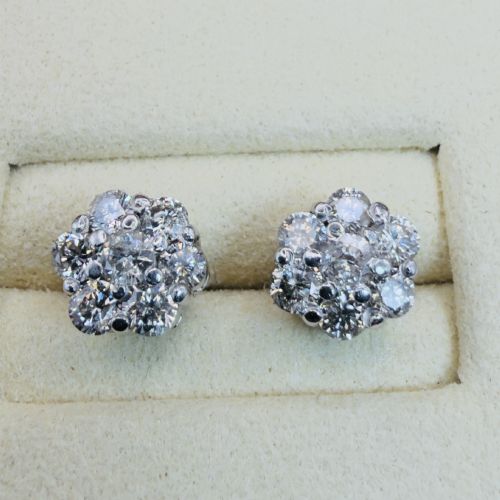
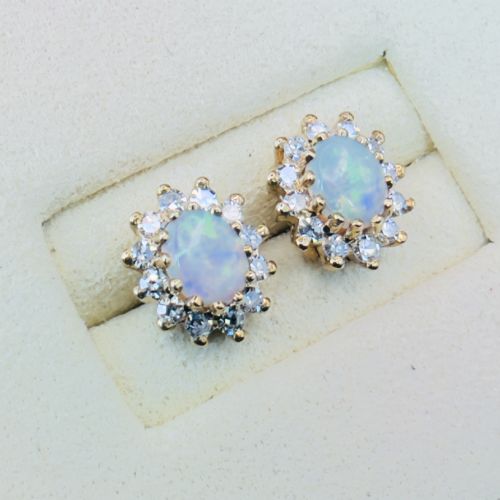
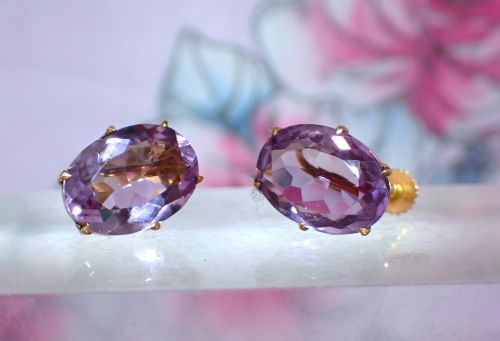
These vintage cluster studs range from Victorian pearl flower designs to 1950s diamond daisies, bringing distinct period character directly to the earlobe.
Vintage Cluster Studs
Vintage cluster studs group a central stone - often a diamond, sapphire, opal, or emerald - surrounded by a halo of smaller gems to create maximum visual impact on the ear. The selection spans Victorian and Edwardian examples through to mid-century modern designs.
Most pieces seen here adopt a floral or daisy configuration, frequently executed in 9ct gold or 18ct white gold. Buyers frequently encounter screw-back, post, and clip fittings alongside drop variations originating from the 1930s, 1940s, and 1950s.
Materials and construction methods
Metals range from traditional 9ct yellow and rose gold to platinum and 18ct white gold, providing stable settings for multi-stone arrangements. Gemstones are meticulously clustered, utilising claw settings and flush settings to secure diamonds, garnets, turquoises, and spinels.
Vintage Cluster Studs Retail Price Guide 2026
Typical asking prices for vintage cluster studs among the pieces listed under this phrase on Sellingantiques today, from the lower quarter to the upper quarter. They describe what is for sale here now, not the wider market.
Gemstone combinations in these cluster forms include emeralds, aquamarines, garnets, opals, and sapphires paired with gold or silver.
Distinguishing quality in cluster earrings
Quality rests upon the matching and graduation of the surrounding stones in the halo, where uniform colour and cut elevate a piece. The integration of the central gem with its frame determines the overall harmony of the design.
The precision of the metalwork at the reverse and the security of the settings indicate the standard of manufacture. Original, unaltered fittings and clear hallmarks further distinguish superior examples from later repairs.
The Vintage Cluster Studs Glossary
- Cluster
- A jewellery setting where a central gemstone is surrounded by a tight halo of smaller stones. This arrangement maximises the play of light across multiple facets.
- Halo
- The ring of smaller accent stones encircling a larger primary gem. It visually enlarges the focal stone and defines the perimeter of the cluster.
- Cabochon
- A gemstone shaped and polished with a smooth, convex domed surface rather than faceted. This cut is typical for opaque or translucent materials like opals.
- Screw-back
- An ear-fitting mechanism utilising a threaded post and a small nut screwed down against the earlobe. It provides adjustable tension for non-pierced or pierced ears.
- Silver Gilt
- Silver that has been coated with a thin layer of gold. This technique was frequently utilised in Victorian and Austro-Hungarian pieces to give the appearance of solid gold.
Vintage Cluster Studs: Frequently Asked Questions
How do I care for vintage cluster studs?
Clean these earrings gently with a soft cloth and avoid harsh chemical dips, especially when dealing with pearls, opals, or turquoise. Store them individually to prevent the multi-stone settings from scratching adjacent pieces.
Regularly check the security of the claws holding the central stone and the surrounding halo. Professional inspection every few years ensures the settings remain robust during wear.
Were these earrings made for pierced ears?
Many vintage examples utilise screw-back or clip-on mechanisms designed for unpierced lobes, reflecting the prevailing fashions of the mid-twentieth century and earlier. Other pairs feature standard posts intended for pierced ears.
Converting screw-backs to posts is possible, though collectors generally prefer retaining original fittings. Check the specific listing details to confirm the exact fastening type before purchase.
How do I identify the period of cluster studs?
Victorian and Edwardian examples often feature natural pearls, garnets, or rose-cut diamonds set in lower-carat gold or silver gilt with organic floral motifs. Mid-century pieces from the 1950s typically display brilliant-cut diamonds and sapphires in white gold with geometric daisy designs.
Hallmarks, metal colours, and fastening styles provide reliable clues for dating. Consulting the specific materials and design characteristics in each listing helps confirm the era.
What is a floral cluster design?
A floral cluster arranges a prominent central gemstone to act as the flower centre, with a ring of smaller diamonds or coloured stones forming the petals. This organic layout was immensely popular during the Victorian era and returned strongly in the 1950s.
The style softens the geometric nature of multi-stone settings, creating a naturalistic silhouette on the ear. These pieces often mimic daisies or abstract blossoms.