



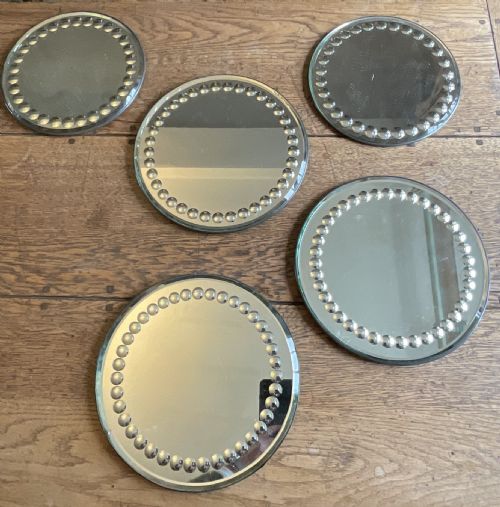


Vintage Circular Wall Mirror
A vintage circular wall mirror brings a wonderful focal point to a room, catching the light and opening up the space.
Vintage Circular Wall Mirror
When searching for a vintage circular wall mirror, you encounter pieces spanning from the Regency period through the Victorian era and into the Art Deco years of the twentieth century. These round looking glasses serve as striking wall ornaments in hallways, reception rooms and bedrooms alike.
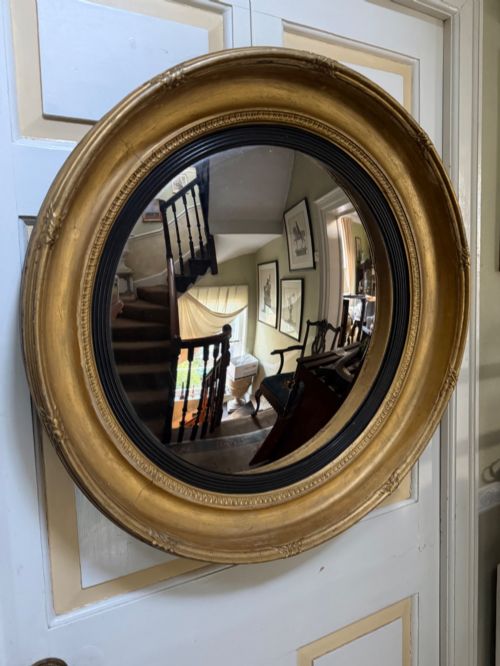
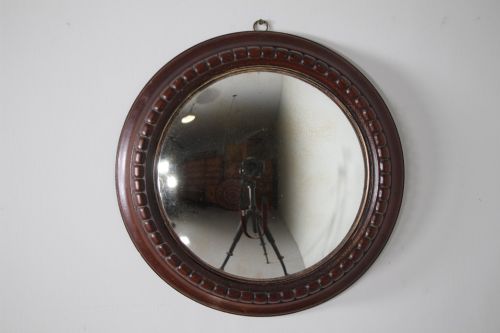
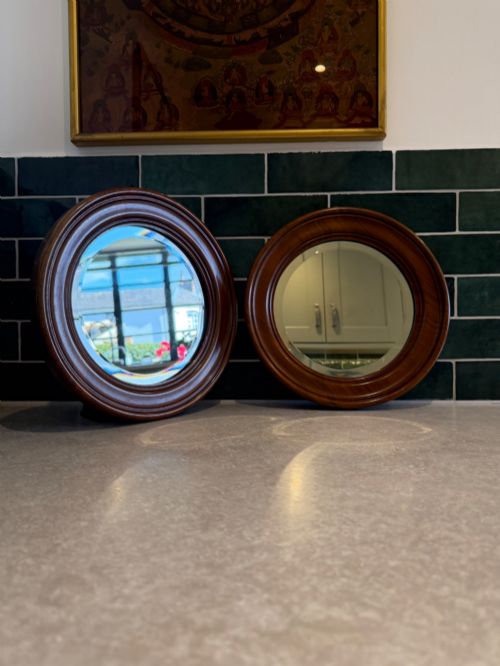
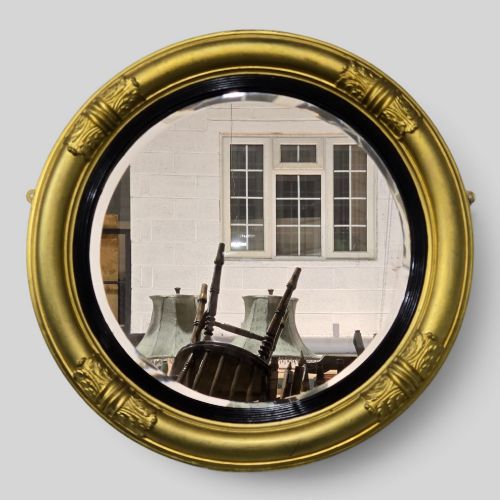
The most common examples you meet on this page are convex mirrors framed in giltwood, alongside round wooden frames in oak, walnut and mahogany. Certain pieces feature decorative flourishes such as eagle crests, carved gesso work or simple brass bezels.
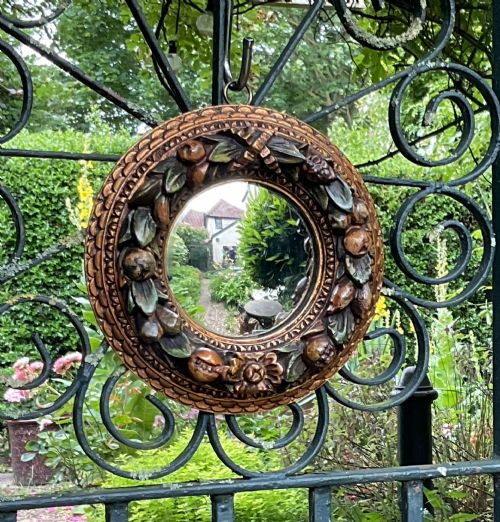
Makers ranged from large industrial foundries producing cast iron frames to skilled cabinet makers working with native and imported hardwoods. Some items take the form of specialised convex plates often known as sorcerers mirrors or porthole mirrors.
How they were made
Makers built these circular frames using solid timbers like oak, walnut and mahogany, or carved gesso applied over a wooden base to receive intricate gilding. Giltwood and ebonised wood finishes required meticulous hand application of leaf or pigment to achieve a deep lustre.
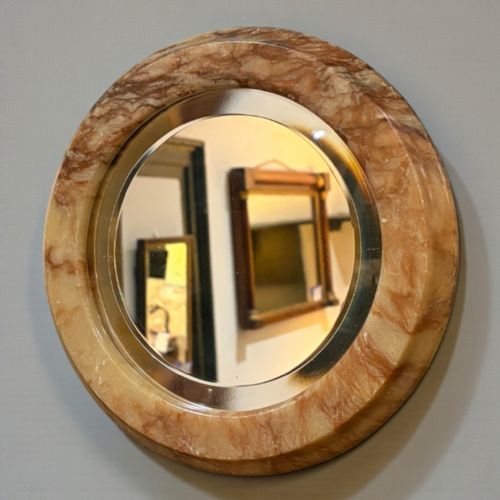
Glass production involved blowing or casting curved convex plates, which created the characteristic wide-angle reflection seen in porthole and sorcerer mirrors. Heavier examples relied on cast iron or alabaster structures to support the weight of the mirror plate.
Vintage Circular Wall Mirror Retail Price Guide 2026
Typical asking prices for vintage circular wall mirror among the pieces listed under this phrase on Sellingantiques today, from the lower quarter to the upper quarter. They describe what is for sale here now, not the wider market.
Listings feature circular wall mirrors spanning the nineteenth and twentieth centuries, utilising materials such as giltwood, alabaster, oak, mahogany, and cast iron.
What varies in quality
The distinction between ordinary and exceptional pieces lies in the crispness of the hand-carved gesso details and the depth of the original gilding. Finer examples retain their original mercury or silvered mirror plates, which often display subtle foxing and age spots.
Structural integrity of the timber frame and the quality of the joinery at the circular joints separate workshop-made items from mass-produced alternatives. Superior mirrors also retain original backing boards and hanging hardware from their respective periods.
The Vintage Circular Wall Mirror Glossary
- Convex mirror
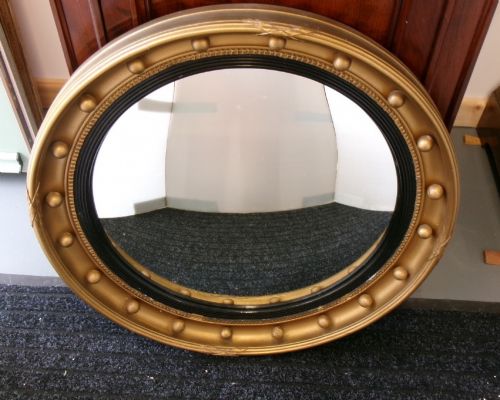
- A round mirror with a curved outward surface that reflects a wide, distorted field of vision. These are frequently mounted in deep gilt frames with ball ornaments.
- Giltwood
- Timber that has been coated with a thin layer of gold leaf over a prepared gesso base. This finish is typical of Regency and Victorian decorative wall pieces.
- Foxing
- The natural age-related chemical process that causes spots and discoloration within the mirror plate. Collectors often prize this characteristic for authenticity.
- Gesso
- A plaster-like mixture applied to wood frames to create a smooth surface for carving or gilding. It allows for intricate relief ornamentation around the circular glass.
- Sorcerers mirror
- An alternative term for a convex mirror, historically believed in folklore to ward off evil or provide the viewer with a comprehensive view of the room.
Vintage Circular Wall Mirror: Frequently Asked Questions
How do I hang a heavy convex mirror safely?
Heavy circular frames require robust wall fixings secured directly into masonry or solid wooden studs rather than plasterboard alone. Utilising appropriate steel brackets or strong picture wire attached to the original frame structure ensures safe mounting.
Because many older pieces lack modern hanging rings, you should inspect the existing fixings on the reverse carefully before installation. Consulting a professional framer for additional security brackets is often wise with larger giltwood examples.
What is the difference between a Regency and an Art Deco circular mirror?
Regency circular mirrors typically feature heavy giltwood frames adorned with carved balls, reeded ebony inner rings, and occasionally eagle surmounts. Their design draws heavily on classical neoclassical motifs intended to dominate a grand wall space.
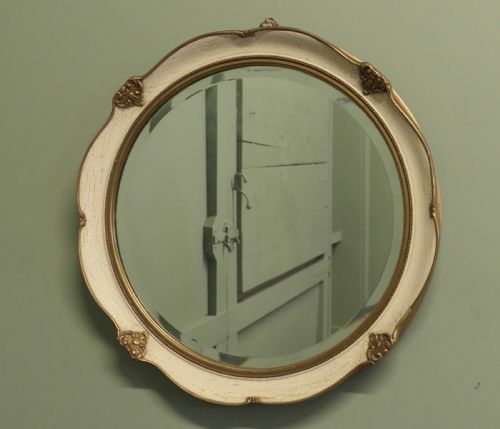
Art Deco examples lean towards cleaner geometric lines, often utilising frameless designs, contrasting cream and gilt surfaces, or streamlined wooden borders. These twentieth-century pieces reflect a shift towards minimalism and modern interior aesthetics.
Why do some antique round mirrors have curved glass?
Curved or convex glass was historically manufactured to allow a single viewer to observe a wider panoramic sweep of an interior space. This optical property made them popular in hallways and dining rooms for practical surveillance and decorative effect.
The technique required specialised glassblowing methods, making them prestigious items in nineteenth-century drawing rooms. Over time, these curved plates became known by various names including porthole and sorcerer mirrors.