



Vintage Cigarette Lighter
A vintage cigarette lighter brings functional design and miniature sculpture to the table, offering a tactile piece of smoking history.
Vintage Cigarette Lighter
A vintage cigarette lighter takes many sculptural and functional forms, ranging from practical pocket pieces to substantial table lighters and smoking compendiums. The examples recorded here span the Victorian era, the 1920s, the 1930s, and later periods up to the late twentieth century.
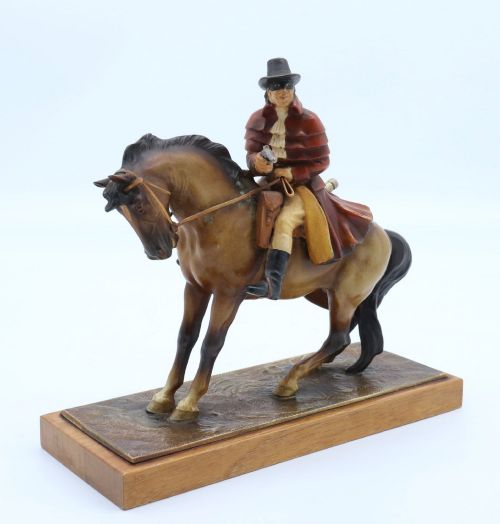
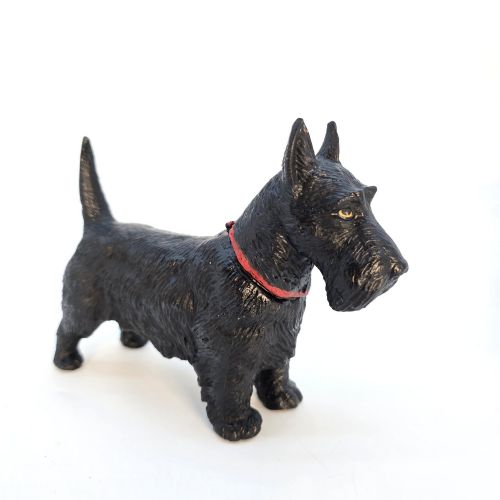
Buyers will most frequently encounter table lighters styled in the Art Deco aesthetic alongside novelty figurals. These include cast metal animals, literary figures, and architectural shapes designed to sit prominently in a room.
The materials utilised across these objects reflect their decorative purpose, combining precious metals with exotic textures and painted finishes. Pieces range from simple pocket petrol lighters to elaborate matched smoking sets featuring shagreen and silver.
Materials and construction
Makers utilised precious metals such as sterling silver and gold-plated brass alongside cast metal, spelter, and wood. Textures were added using materials like shagreen and hand-painted details on metal surfaces.
Engineering mechanisms varied from early petrol lighter systems, such as straight-arm designs and rollagas actions, to integrated setups within larger smoking boxes and compendiums. Artisans combined metal casting with precision internal mechanics to ensure reliable ignition.
Vintage Cigarette Lighter Retail Price Guide 2026
Typical asking prices for vintage cigarette lighter among the pieces listed under this phrase on Sellingantiques today, from the lower quarter to the upper quarter. They describe what is for sale here now, not the wider market.
Materials recorded across the inventory include silver, gold-plated brass, shagreen, wood, and cast metal.
Distinctions in quality
Quality is determined by the refinement of the casting and the prestige of the maker. Finely detailed cold-painted surfaces and crisp figural modeling separate standard production items from superior workshop creations.
The integration of luxury materials such as genuine shagreen or heavy-gauge sterling silver elevates a piece. Furthermore, sophisticated mechanical engineering by established makers distinguishes finer engineering achievements from simpler novelty objects.
Dunhill·Christopher Lawrence·Mappin & Webb
The Vintage Cigarette Lighter Glossary
- Petrol lighter
- A lighter that utilises liquid fuel and a wick to produce a flame. These systems require regular refilling and flint replacement.
- Smoking compendium
- A matched set or combined box housing smoking accessories such as lighters, ashtrays, and cigarette compartments. These larger pieces were designed for communal use in a drawing room.
- Shagreen
- Untanned skin from sharks or rays characterised by a distinctive granular texture. It was frequently utilised during the Art Deco period to cover boxes and lighter bodies.
- Spelter
- A zinc alloy commonly used as a substitute for bronze in decorative metalwork. It accepts cold-painting and electroplating readily.
- Rollagas
- A specific mechanical lighter design featuring a roller mechanism operated by the thumb. This innovation provided a smooth ignition action.
Vintage Cigarette Lighter: Frequently Asked Questions
What is a smoking compendium?
A smoking compendium is a coordinated set or container holding multiple smoking accessories together in one place. These pieces often incorporate lighters, match holders, and cigarette storage.
They were intended for domestic use in reception rooms where hosts offered tobacco to guests. The inclusion of lighters within these larger housings made them central pieces of functional tabletop decor.
How do I identify an Art Deco lighter?
Art Deco lighters typically feature geometric patterns, streamlined forms, and modern industrial materials such as chrome, enamel, and shagreen. Their design prioritised clean lines and symmetry.
Many examples from this era also embraced novelty figurals styled with the sleek contours characteristic of the 1920s and 1930s.
Are these lighters still operational?
Many vintage lighters retain their internal mechanisms, though their operational status depends on the condition of the wick, flint wheel, and fuel chamber. Some require professional servicing or new flints to function.
Collectors frequently treat them primarily as decorative objects or historical artefacts rather than everyday pocket accessories.
What materials were commonly used?
Makers employed a diverse range of materials including sterling silver, gold-plated brass, cast metal, and wood. Decorative surfaces often incorporated hand-painted details and exotic textures like shagreen.
Victorian and later pieces also integrated glass and specialised metal alloys to achieve distinct visual and tactile effects.