





Vintage Chopping Table
These heavy-duty vintage chopping table examples span the nineteenth century to the mid-twentieth century, offering solid timber utility for working kitchens.
Vintage Chopping Table
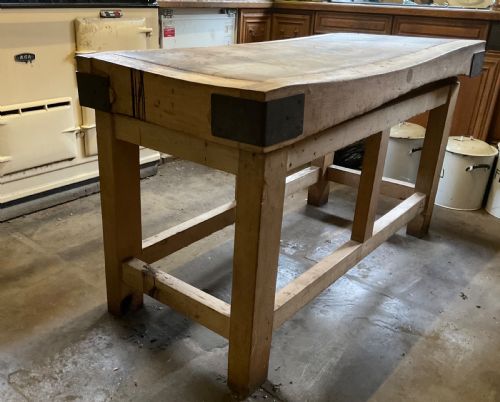
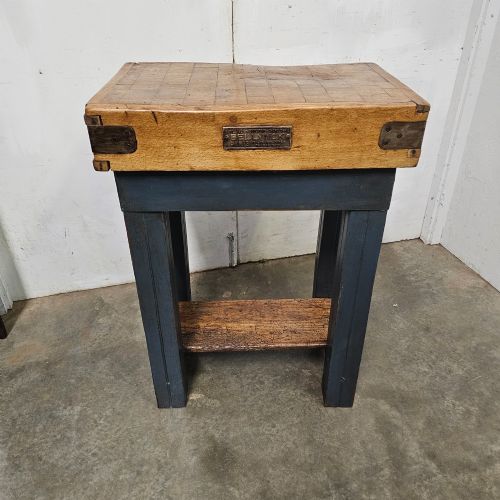
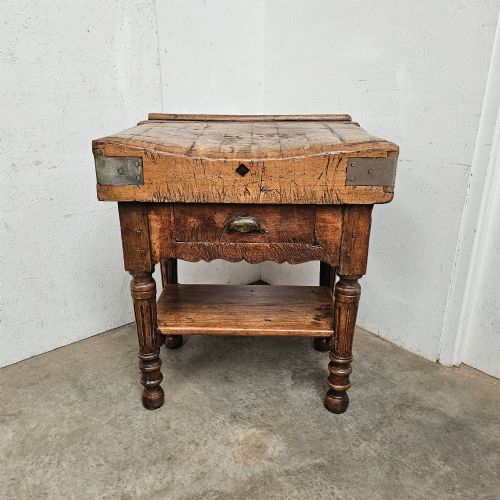
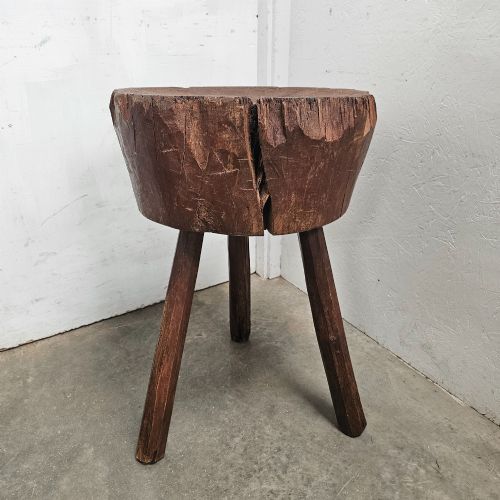
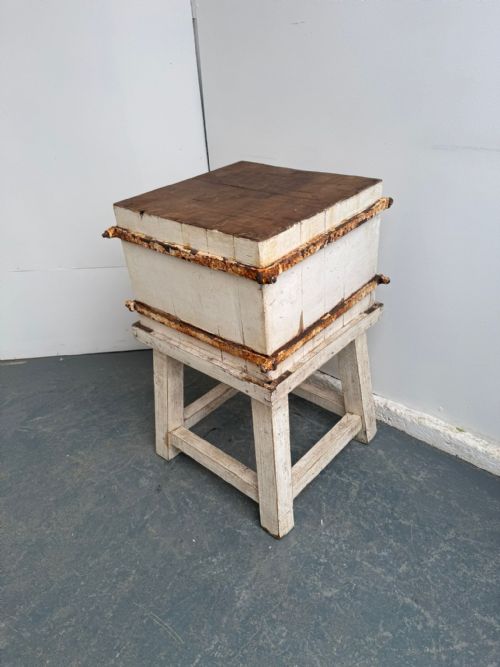
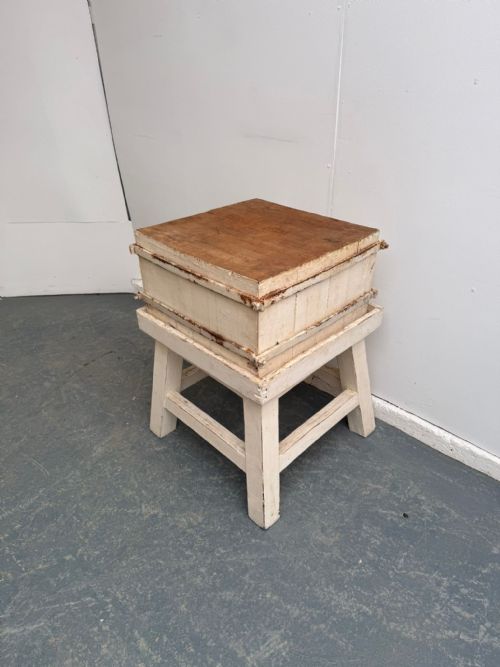
A vintage chopping table is a utilitarian workspace built from thick timber, designed originally for food preparation in domestic kitchens or butcher shops. The selection on this page encompasses French provincial designs, Hungarian pieces, and Victorian industrial stands.
Most pieces date from the nineteenth century up through the nineteen-fifties, featuring heavy beech or oak tops supported by stands or decorative bases. Forms range from low game blocks to large kitchen islands and side tables.
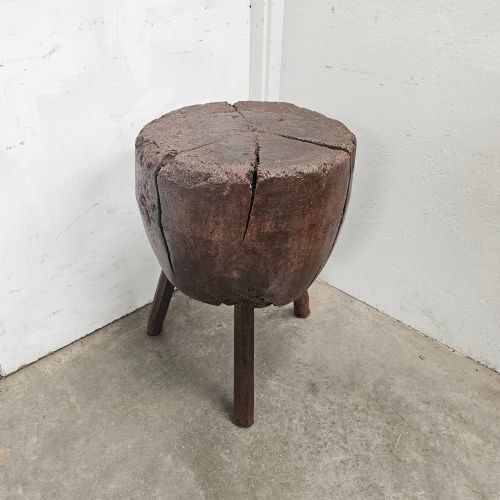
Buyers will encounter regional variations, such as French country tree trunk blocks and painted Victorian tables. These objects bring functional history into modern spaces as durable kitchen islands.
How they were made
Construction relies on dense hardwoods like beech, elm, and oak for the thick chopping surfaces, which absorb heavy impacts during daily use. Iron, steel, metal, and softwood elements frequently form the structural bases and mounts.
Makers shaped heavy tree trunks and joined thick timber slabs to withstand decades of butchery and food preparation. Some examples incorporate cast iron or bronzed mounts for added structural support.
Vintage Chopping Table Retail Price Guide 2026
Typical asking prices for vintage chopping table among the pieces listed under this phrase on Sellingantiques today, from the lower quarter to the upper quarter. They describe what is for sale here now, not the wider market.
Listings span from nineteenth-century tree trunks to nineteen-fifties stands, using beech, oak, elm, and iron.
What varies in quality
The density and depth of the timber top dictate the structural integrity of each piece, with older nineteenth-century examples showing deep utility wear. The complexity of the base, whether a simple tripod, a decorative French stand, or industrial iron framing, influences the overall character.
Original painted finishes and patination accumulated through decades of use distinguish authentic workspace examples from later reproductions. The proportion between the heavy block and its supporting base determines the visual balance of the table.
Hennes France
The Vintage Chopping Table Glossary
- Butchers Block
- A thick wooden table top designed specifically for cutting meat. These surfaces are constructed from end-grain or heavy plank timber.
- Game Block
- A heavy wooden chopping block traditionally used for preparing game birds and larger animals. These often utilise sections of tree trunks.
- French Provincial
- A style originating from the rural regions of France, combining rustic utility with regional decorative joinery. Pieces from this tradition often feature elm or beech.
- Victorian Industrial
- A design approach from the Victorian era that prioritises mechanical utility and metal framing alongside timber elements. These items often incorporate iron or steel components.
Vintage Chopping Table: Frequently Asked Questions
What is a vintage chopping table used for?
These tables served as heavy-duty work surfaces for chopping meat and preparing food in butcher shops and large kitchens.
Today, buyers utilise them as kitchen islands or functional side tables that anchor a room.
How do I care for the wooden top?
The thick timber requires regular oiling with food-safe oils to prevent the wood from drying out and cracking.
Avoid soaking the surface in water and clean it gently to preserve the historic patination.
How do I date a vintage chopping block?
Dating relies on examining the tool marks, timber selection, and the construction style of the base.
Nineteenth-century examples often use solid tree trunks or heavy beech, while mid-twentieth-century pieces show different mounting techniques.
Are these tables heavy to move?
The dense hardwood tops and solid wood or iron stands make these pieces exceptionally heavy and stable.
Planning placement carefully before delivery is essential due to the substantial weight of the timber.