





Vintage China Display Unit
A vintage china display unit brings structure and transparency to a room, housing porcelain safely behind glass.
Vintage China Display Unit
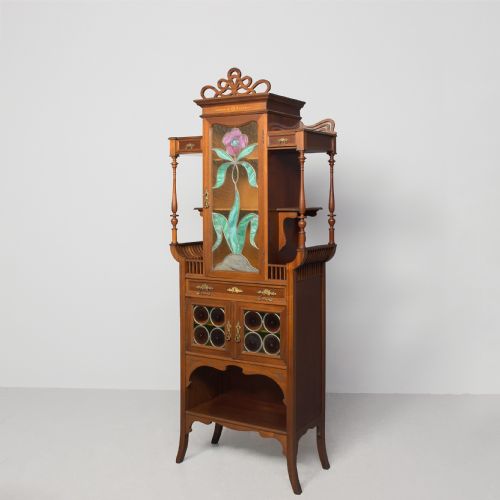
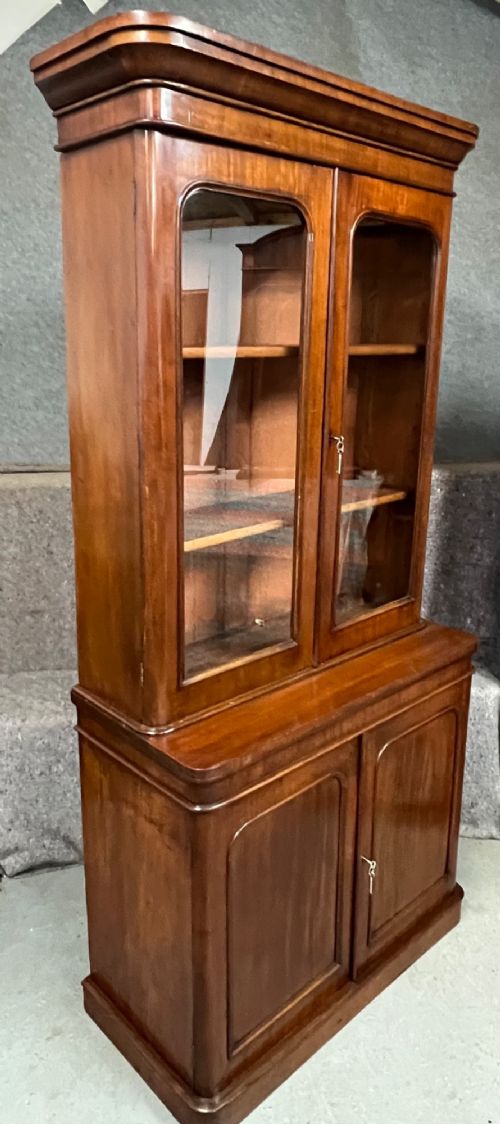
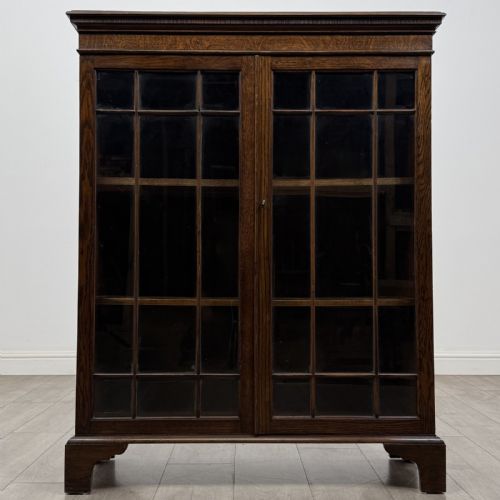
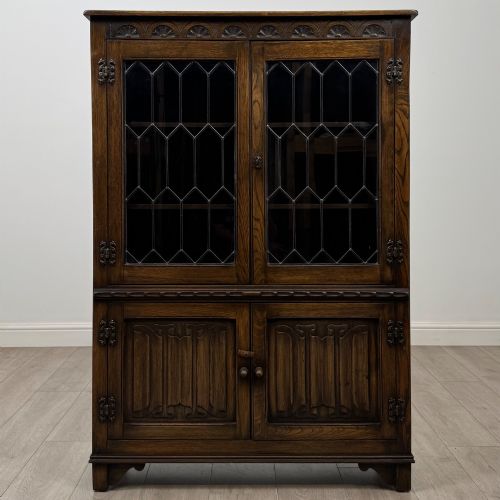
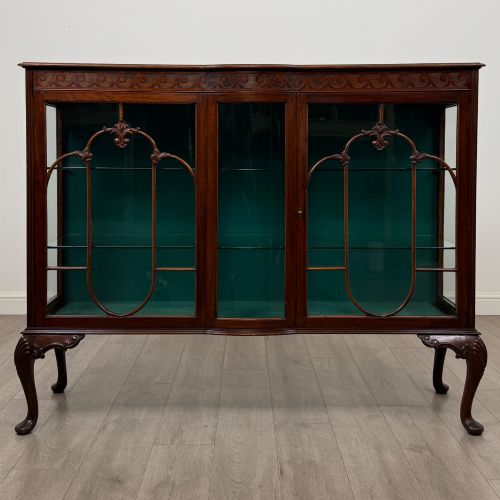
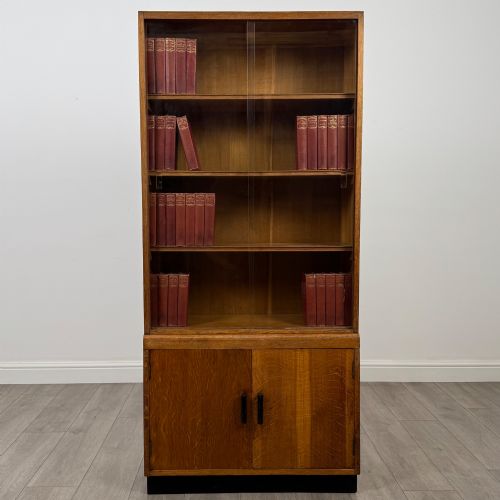
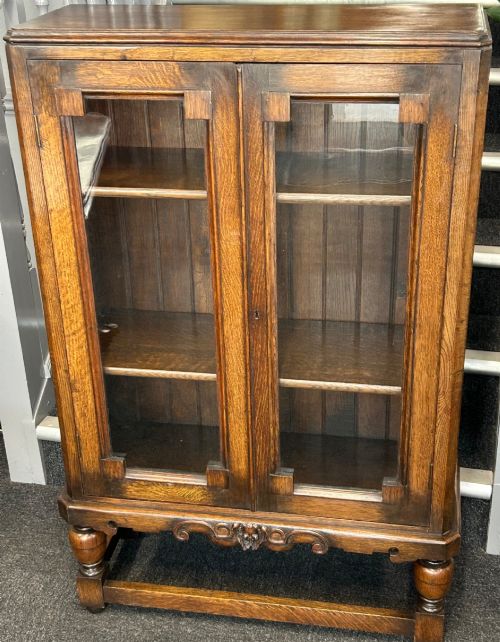
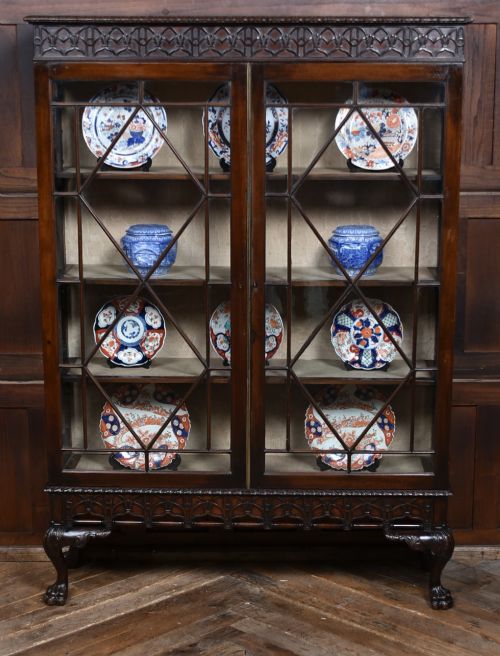
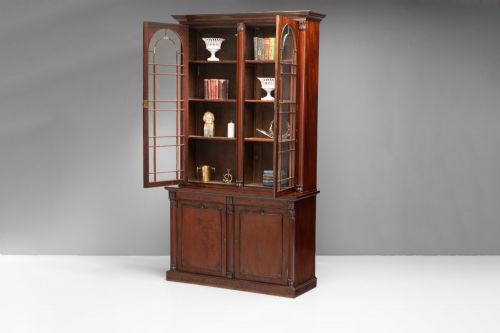
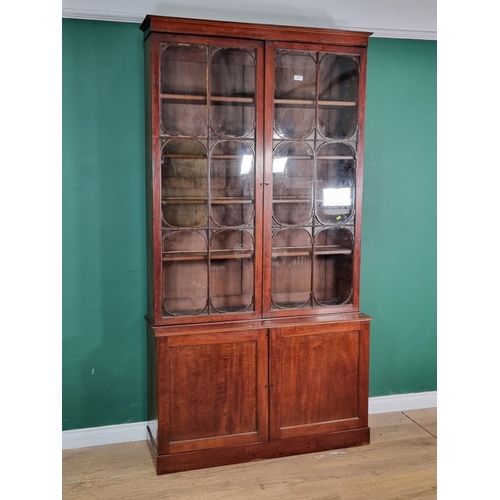
A vintage china display unit encompasses freestanding cabinets, corner cupboards, and tall bookcases fitted with glazed doors. These pieces emerge from periods spanning the eighteenth century through the Edwardian era and the nineteen-thirties.
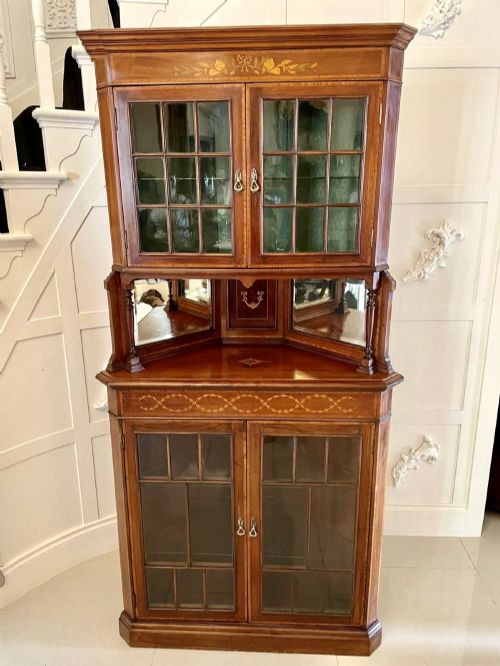
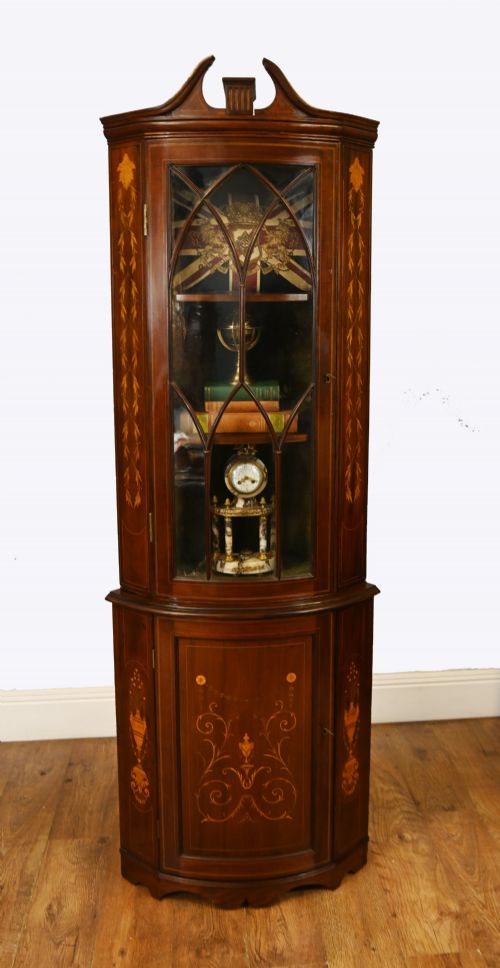
The Edwardian iterations in inlaid mahogany or golden oak dominate the selection, alongside sturdy oak pieces from the early twentieth century and revival styles referencing Georgian and Chippendale designs.
Corner cabinets offer a practical footprint for smaller spaces, whereas breakfront bookcases and two-part cabinets provide substantial vertical storage for larger collections of ceramics.
Materials and Construction
Cabinet makers utilised dense hardwoods including mahogany, walnut, and oak as the structural foundation for these units, frequently incorporating satinwood inlay for decorative contrast.
Glazing forms the primary visual element, utilising clear or leaded glass panels held within timber frames to protect the contents while maintaining visibility.
Brass hardware secures the doors, while subsidiary materials such as fabric linings occasionally appear behind the shelving to frame the displayed items.
Vintage China Display Unit Retail Price Guide 2026
Typical asking prices for vintage china display unit among the pieces listed under this phrase on Sellingantiques today, from the lower quarter to the upper quarter. They describe what is for sale here now, not the wider market.
Some Edwardian cabinets hide their treasures behind leaded glass so neatly that even the dust refuses to settle.
Judging Quality
The refinement of the timber selection and the precision of the inlay work dictate the visual calibre of a piece, distinguishing standard utility furniture from sophisticated revival commissions.
Structural integrity relies on the snug fit of glazed doors and the stability of corner joints, which ensures the heavy weight of glass and timber remains secure.
Epstein
The Vintage China Display Unit Glossary
- Glazed
- Fitted with glass panels to permit visibility of the interior. This protects delicate ceramics from dust while displaying them.
- Inlay
- Contrasting timber or decorative material set flush into the primary surface. It creates intricate patterns, common in Edwardian pieces.
- Bow front
- A convex curved cabinet front. This shape softens the corners of a room and adds visual depth.
- Linenfold
- A carved wooden panel motif mimicking folded fabric. It appears frequently on early twentieth-century oak pieces.
Vintage China Display Unit: Frequently Asked Questions
Where should I place a corner display cabinet?
A corner cabinet fits neatly into unused room angles, making efficient use of floor space without dominating the wall.
Position it away from direct sunlight to protect antique timber finishes and any coloured glazes on your displayed china.
How do I care for mahogany display units?
Dust the timber regularly with a dry, soft cloth and apply a quality beeswax sparingly to nourish the polish.
Avoid liquid cleaners and silicone sprays, which can penetrate old finishes and attract airborne dust particles.
Can these cabinets hold heavy ceramic collections?
Most period display units feature sturdy timber shelving designed to support heavy porcelain and earthenware vessels safely.
Check the stability of the shelf supports and internal battens before loading large quantities of dense stoneware.
How do I identify an Edwardian china cabinet?
Edwardian cabinets often feature light mahogany timbers combined with delicate satinwood inlay and satin finishes.
They frequently display revival influences like Sheraton or Chippendale motifs adapted for early twentieth-century homes.