



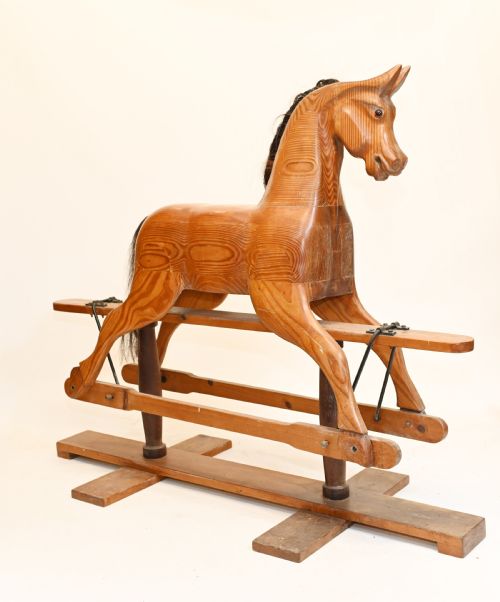

Vintage Childs Toy
These vintage childs toy items are historic playthings and nursery objects that bring authentic period character to a room.
Vintage Childs Toy
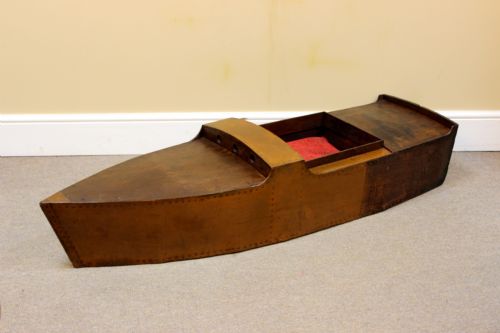
When you search for a vintage childs toy, you enter a world of historic playthings spanning from the nineteenth century into the mid twentieth century. These pieces encompass carved wooden rocking horses, small tricycles, pull along animals, model boats, and miniature items.
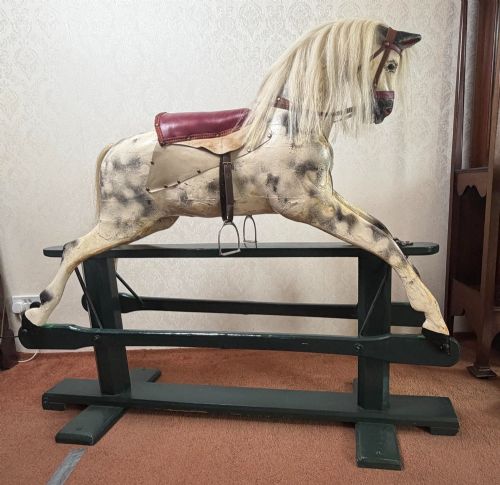
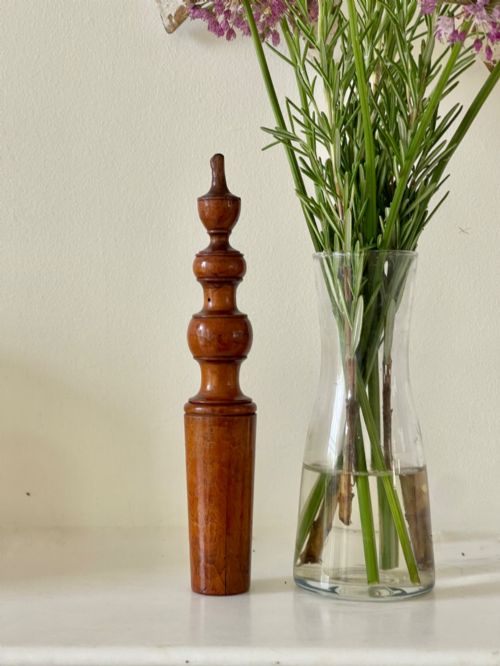
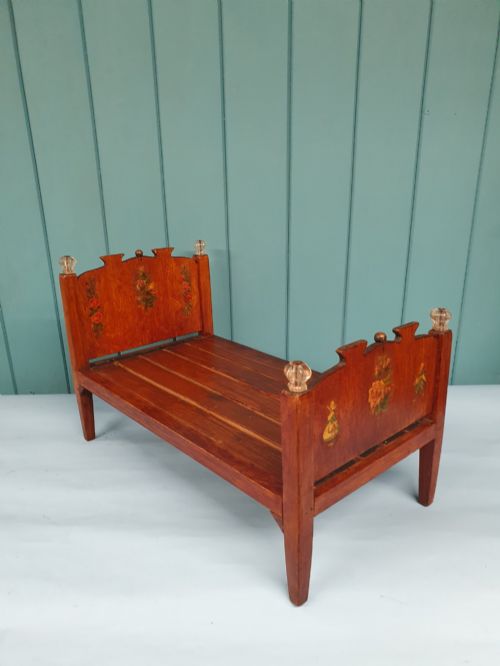
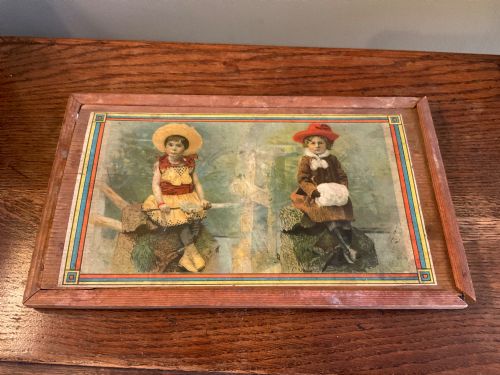
The most frequent finds on this page are carved wooden rocking horses and early wooden toys, often retaining their original painted finishes and rocking stands. Alongside these are smaller treen rattles, dolls house beds, and children's watercolour sets.
Originating from the Victorian, Edwardian, and Art Deco periods, these objects reflect the craftsmanship and leisure pursuits of past generations. They bridge the gap between historic folk art and domestic social history.
How They Were Made
Makers utilised traditional materials such as carved wood, cast iron, leather, horsehair, and paper, often combining them with hand applied paint. Rocking horses relied on sturdy wooden frames and genuine horsehair manes, while smaller toys utilised turned treen and painted metal.
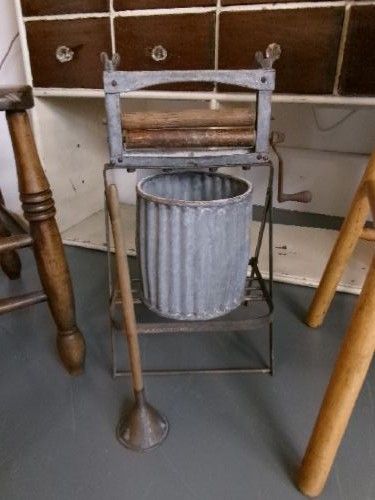
Construction techniques varied from hand carved wooden bodies and joined rocking stands to metal framework on tricycles and travellers sample mangles. Surface decoration involved layered paint and paper elements rather than modern synthetic finishes.
Listings feature items from the 19th Century, Victorian period, Edwardian era, and the 1930s, constructed in wood, metal, leather, and horsehair.
What Varies in Quality
The distinction between ordinary and superior examples lies in the integrity of the original materials and the presence of untouched period surfaces. Pieces retaining their authentic paint, horsehair, and original rockers command greater interest than heavily restored or later painted items.
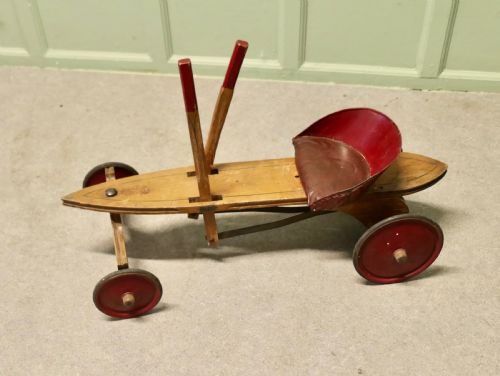
Sculptural presence and complexity of form also separate everyday items from exceptional works, particularly in larger carvings like rocking horses and hand operated children's cars. Finer objects demonstrate skillful carving and balanced proportions that reflect the hand of a specialist maker.
Periclès·Collinsons
The Vintage Childs Toy Glossary
- Treen
- Small handmade wooden domestic objects and toys. This term derives from the old English word for tree.
- Rocking horse
- A carved wooden toy horse mounted on bow rockers or safety stands. These large nursery pieces were central to children's play in the nineteenth and twentieth centuries.
- Travellers sample
- A small scale model used by commercial salesmen to demonstrate full sized equipment. Miniature laundry mangles are a typical example of this category.
- Pull along toy
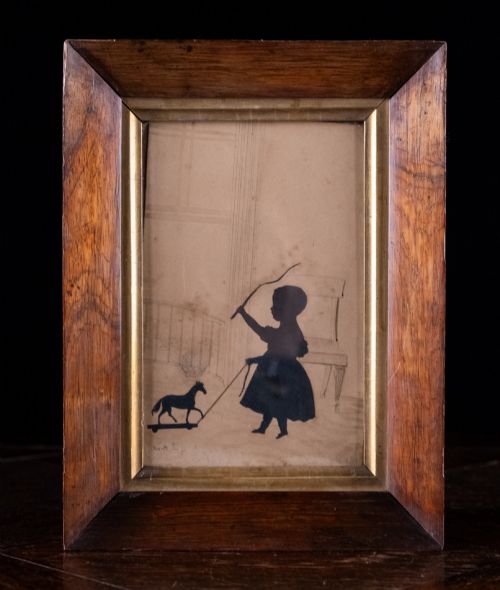
- A wheeled plaything designed to be towed by a child using a cord or handle. They often took the form of horses and domestic animals.
- Penny farthing
- An early type of bicycle with a very large front wheel and a much smaller rear wheel. Nineteenth century child versions of this design are exceptionally scarce.
Vintage Childs Toy: Frequently Asked Questions
How old are these toys?
The pieces span from the nineteenth century through the Edwardian era up to the mid twentieth century. Materials and construction methods help indicate the specific decade of production.
Victorian and Edwardian examples often show distinct hand carving and traditional joinery that differ from later twentieth century manufacturing.
Are these toys safe for children?
These items are historic antiques and collectors' objects rather than modern safety tested playthings. They often feature fragile painted surfaces, small historic components, or materials that do not meet current toy regulations.
Displaying them safely in a nursery or living space preserves their historic integrity without exposing them to modern wear.
What wood was used?
Carvers typically utilised accessible domestic timbers such as pine, beech, and fruitwood for bodies and rocking stands. Harder woods were selected for high stress areas like joints and wheels.
Turned treen items often utilised dense hardwoods to achieve crisp details and smooth finishes.
How do I clean an antique toy?
Maintenance should be restricted to gentle dusting with a dry, soft cloth to protect fragile painted surfaces and horsehair. Avoid water, modern solvents, or abrasive cleaners which can strip historic finishes.
Preserving the original surface patina maintains both the character and the historical value of the piece.