







Vintage Children Furniture
These vintage children furniture pieces are miniature domestic seating and desks spanning multiple centuries, offering scaled-down craftsmanship that brings historical character directly into modern interiors.
Vintage Children Furniture
Vintage children furniture encompasses a range of seating and study pieces built smaller for young occupants, from high chairs and rocking chairs to desks and armchairs. The selection relies heavily on domestic forms scaled down for children, reflecting the social habits and domestic life of past generations.
The objects span from the eighteenth century through the Victorian and Edwardian eras into the twentieth century, with nineteenth-century examples appearing most frequently. These include stick back, Windsor, and commode chairs constructed for daily use in period homes.
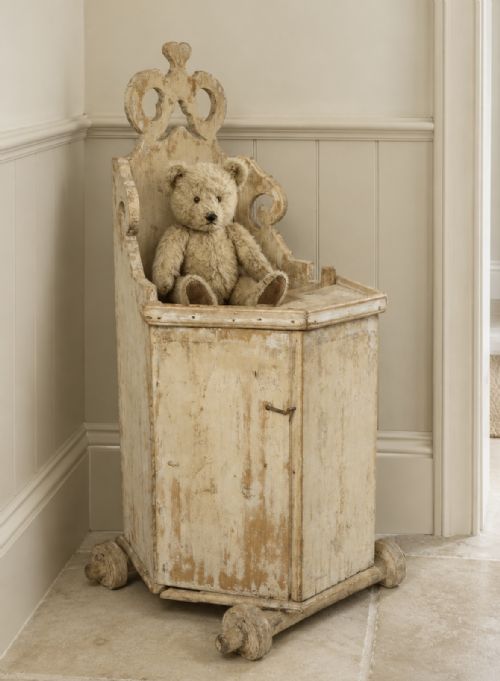
Origins vary from English country workshops to Scandinavian makers and more formal metropolitan cabinet makers. Pieces range from simple folk art items to elaborate metamorphic high chairs and upholstered club chairs.
How they were made
Timbers such as mahogany, elm, oak, and fruitwood form the structural foundation of these miniature pieces, often combined with ash, beech, and bamboo. Woodworkers utilised traditional joinery like spindle turning, steam bending for hoop backs, and mortise and tenon construction to ensure stability.
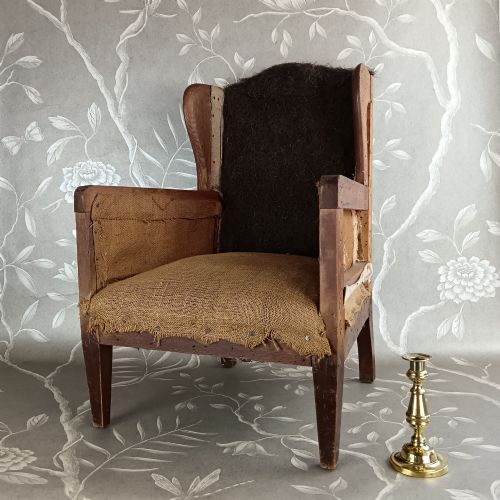
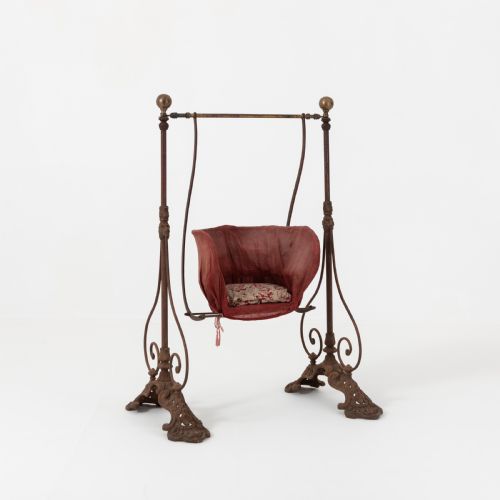
Secondary materials introduce texture and utility, including cane seats, brass fittings, iron frames, leather coverings, and tapestry upholstery. Natural finishes and occasional polychrome paint or fruitwood patination show the surface treatments applied by period makers.
Vintage Children Furniture Retail Price Guide 2026
Typical asking prices for vintage children furniture among the pieces listed under this phrase on Sellingantiques today, from the lower quarter to the upper quarter. They describe what is for sale here now, not the wider market.
The listings span multiple centuries, uniting eighteenth-century Georgian and Regency forms with Victorian, Edwardian, and twentieth-century designs.
What varies in quality
Quality rests on the integration of proper proportion and structural integrity, separating standard workshop output from finer cabinet work. Superior examples demonstrate careful timber selection, such as figured mahogany or rich elm grain, alongside refined turning and joinery.
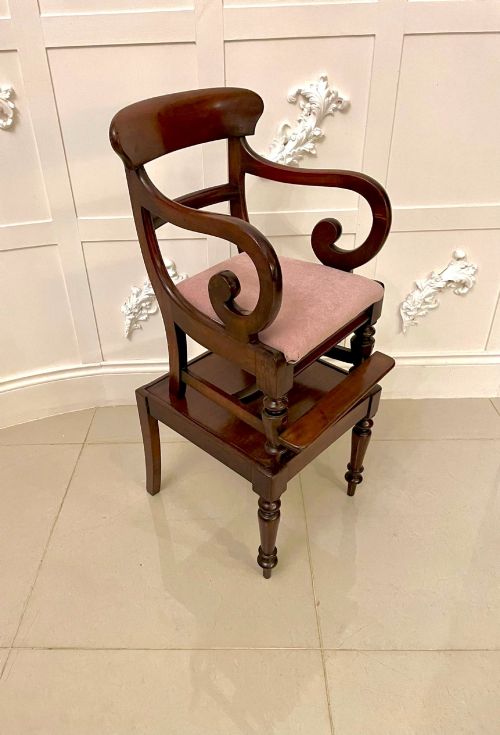
The sophistication of the mechanism or design distinguishes utilitarian items from high-status commissions, such as metamorphic high chairs that convert into play tables or bespoke doll and child chairs executed in specific regional styles like Hindeloopen or folk art traditions.
The Vintage Children Furniture Glossary
- Metamorphic
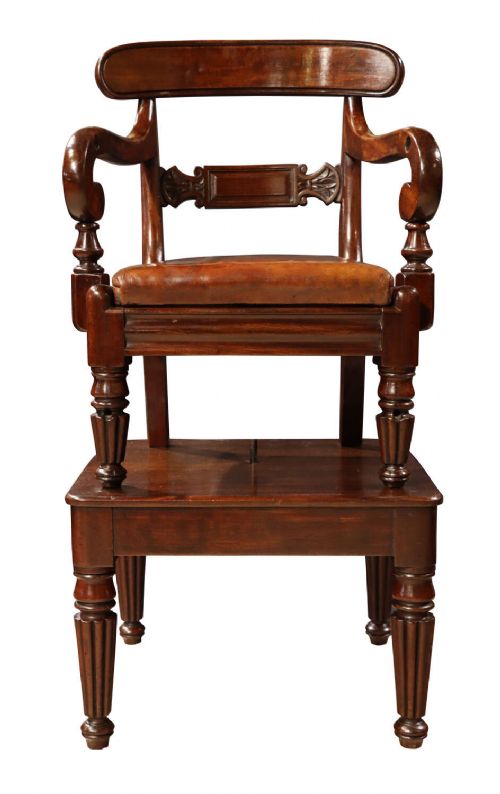
- Describing furniture designed to transform from one form of utility into another, such as a high chair converting into a low armchair and desk.
- Windsor
- A chair built with a solid wooden seat into which the legs and back spindles are tenoned directly, often featuring a bentwood hoop back.
- Bergere
- An enclosed upholstered armchair with a cane or wicker back and sides, frequently seen in mahogany frames during the nineteenth century.
- Potty Rocker
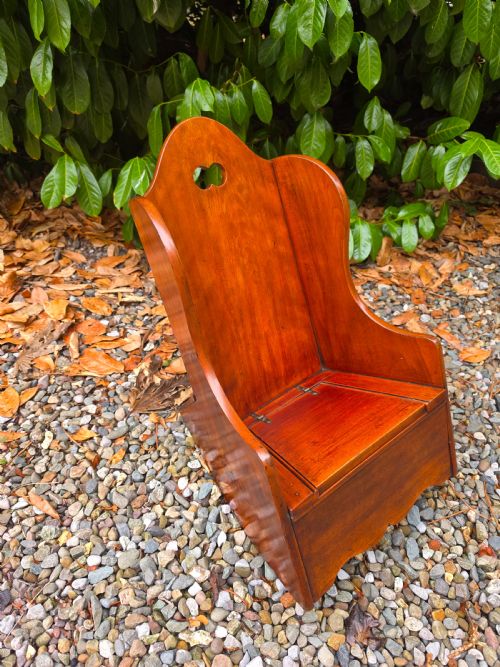
- A low rocking chair fitted with a concealed aperture or commode seat beneath the cushion for infant use.
- Stick Back
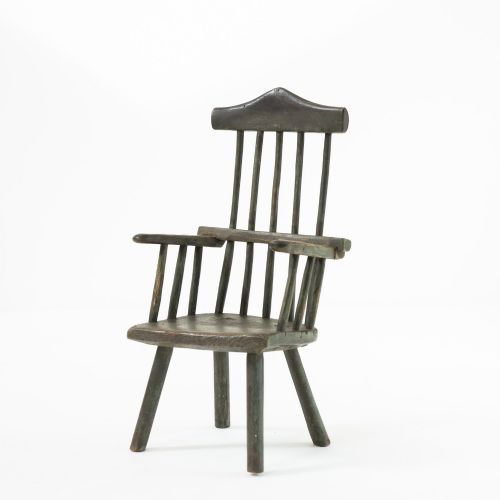
- A simplified seating form where plain vertical wooden rods form the back support, typical of vernacular and folk furniture.
Vintage Children Furniture: Frequently Asked Questions
How were antique high chairs used?
These elevated seats kept toddlers at table height during family meals or secured them safely during domestic chores. Many incorporated trays or footrests for sustained posture.
Over time, some high chairs were built with clever mechanical conversions that allowed the upper section to detach into a separate desk and chair combination.
What woods were used for children chairs?
Cabinet makers selected durable hardwoods like mahogany, oak, and walnut for formal metropolitan commissions. Regional makers frequently relied on accessible local timbers including elm, ash, fruitwood, and beech.
Softer woods or bamboo appeared in specific stylistic or transport items, while iron and brass provided structural reinforcement for swings and carriages.
How do I date a child chair?
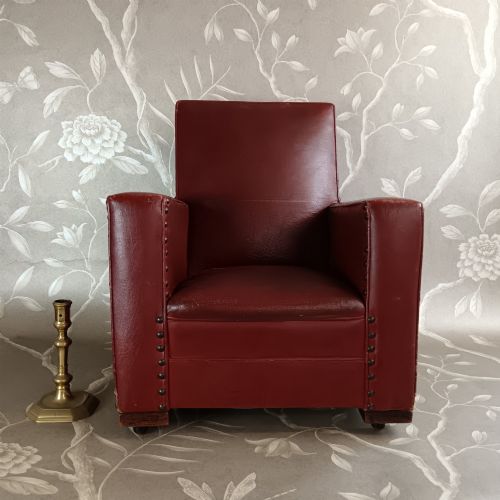
Dating relies on observing construction methods, material choices, and prevailing stylistic influences such as Georgian cabriole legs, Victorian mahogany turning, or Art Deco upholstery. Examining the wear patterns and tool marks on the underside of the wooden seat reveals manufacturing clues.
Comparative analysis with adult furniture from the same period helps establish the likely decade of production.
Can antique children furniture be used today?
These robust miniature chairs and desks suit display in living spaces or careful domestic use by older children. Their compact scale makes them ideal decorative accents for corners or hallways.
Due to historical safety standards and lower seating platforms, modern supervision is recommended if utilised for active seating.