

Vintage Chairs
Vintage chairs arrive in forms spanning 19th-century armchairs to Art Deco occasional seating, offering sturdy craftsmanship and period character.
Vintage Chairs
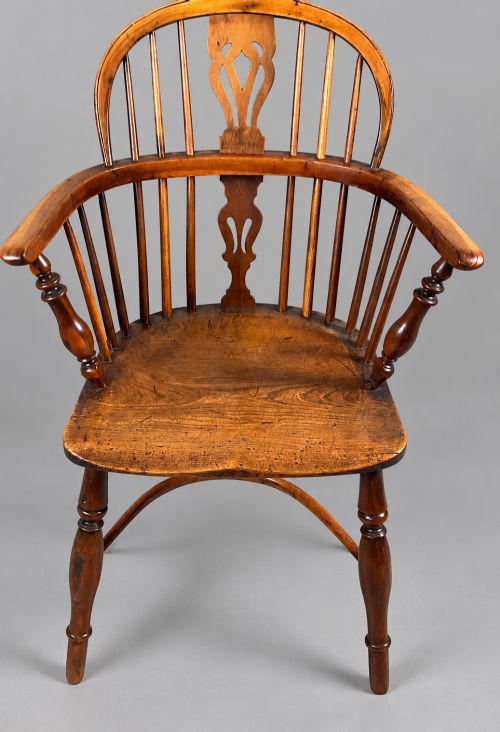
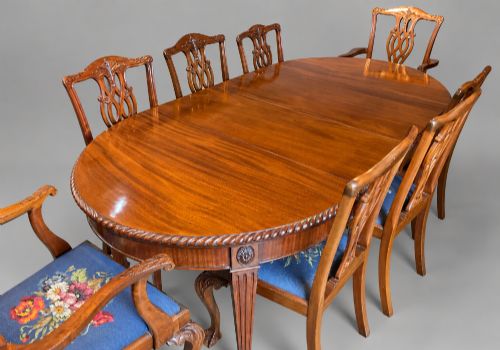
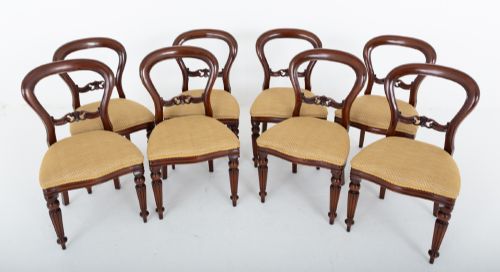
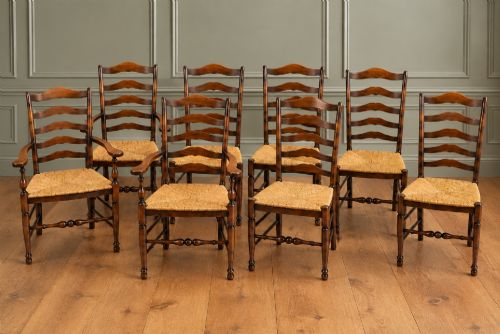
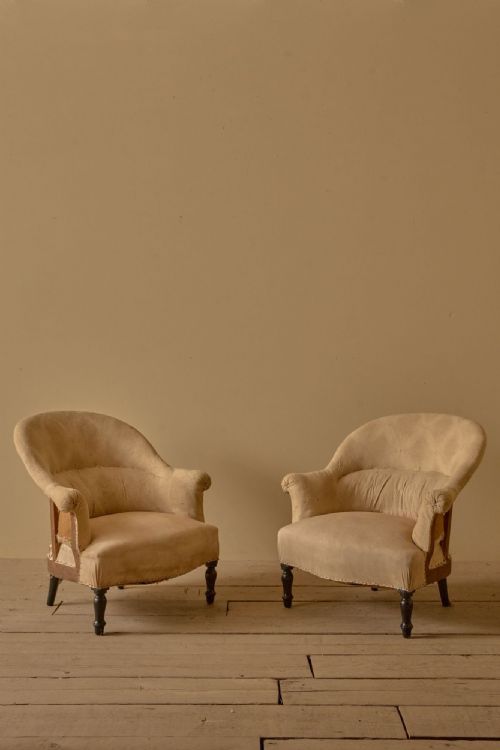
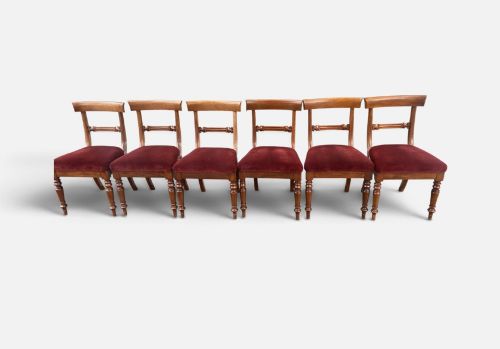
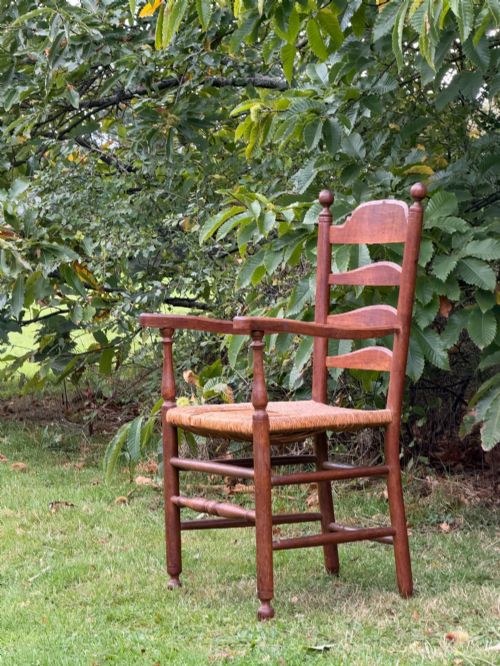
Vintage chairs encompass a broad selection of seating from the nineteenth and early twentieth centuries, including dining sets, library chairs, and country armchairs. Buyers searching for vintage chairs encounter diverse forms such as revolving desk chairs, French club chairs, and Windsor armchairs.
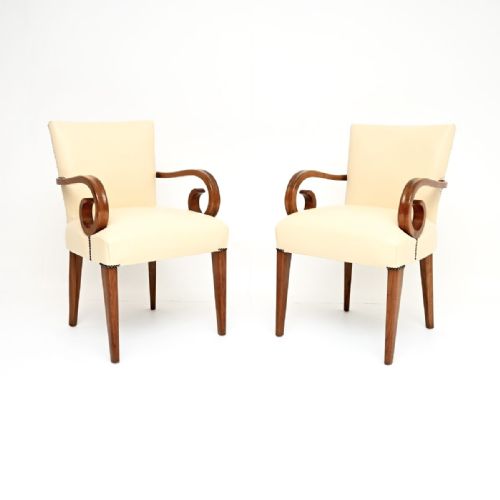
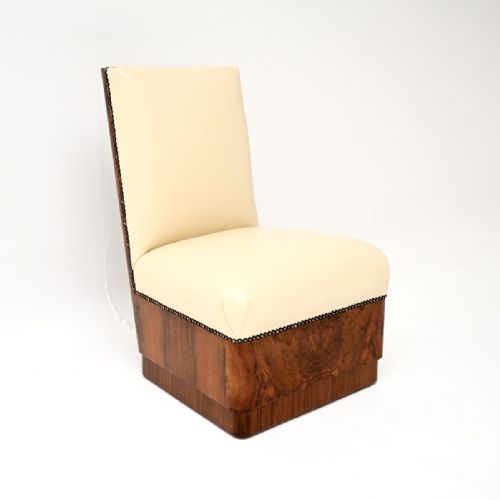
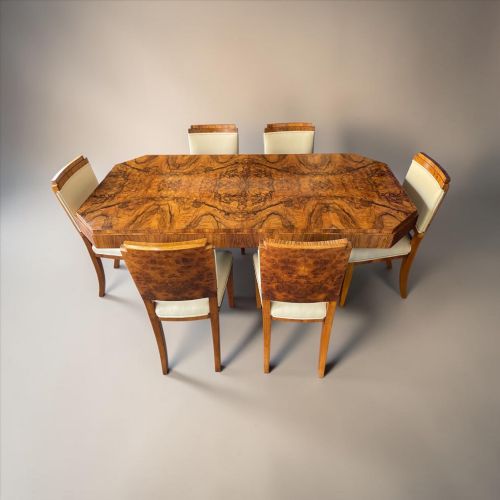
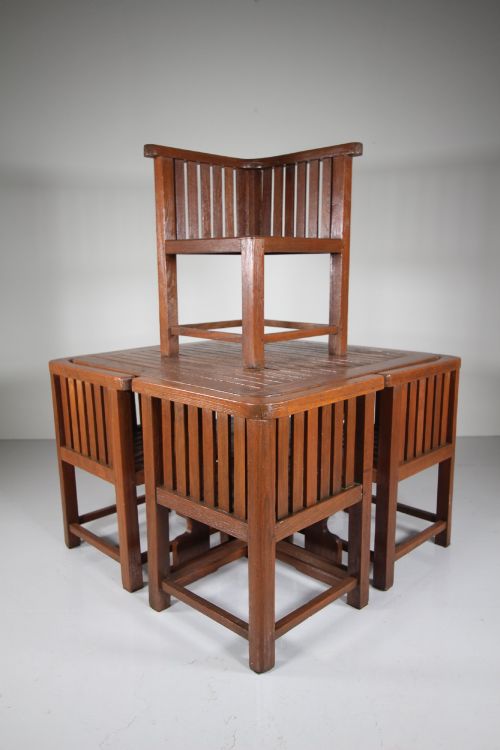
The selection spans periods from the Victorian era and William IV through to Edwardian, Art Deco, and 1930s designs. Common variations include side chairs, carvers, daybeds, and wing armchairs originating from English and French workshops.
How they were made
Timbers such as mahogany, oak, elm, and walnut form the structural frames of these pieces, frequently shaped through carving, turning, and joinery. Mahogany and oak predominate in dining and desk seating, while elm appears in country farmhouse examples.
Upholstered models combine internal webbing and stuffing with coverings in leather, fabric, velvet, and chintz, secured with brass detailing where appropriate. Frames often incorporate structural elements like brass castors, swivel mechanisms, and reclining hardware.
Vintage Chairs Retail Price Guide 2026
Typical asking prices for vintage chairs among the pieces listed under this phrase on Sellingantiques today, from the lower quarter to the upper quarter. They describe what is for sale here now, not the wider market.
Listings feature oak, mahogany, elm, walnut, brass, leather, velvet, and fabric across Victorian, Edwardian, and Art Deco periods.
What varies in quality
The standard of timber selection and joinery distinguishes everyday utilitarian seating from pieces produced by notable makers or specialist workshops. Fine grain matching, substantial carving depth, and robust framing indicate superior manufacture.
The integrity of original mechanisms, such as swivel actions on desk chairs or reclining hardware, influences the overall standard. Condition of upholstery materials and secondary woods also separates standard production items from finely appointed examples.
Howard And Sons·Maurice Adams·Heals Of London·Bruce James Talbert·Gillows
The Vintage Chairs Glossary
- Carver
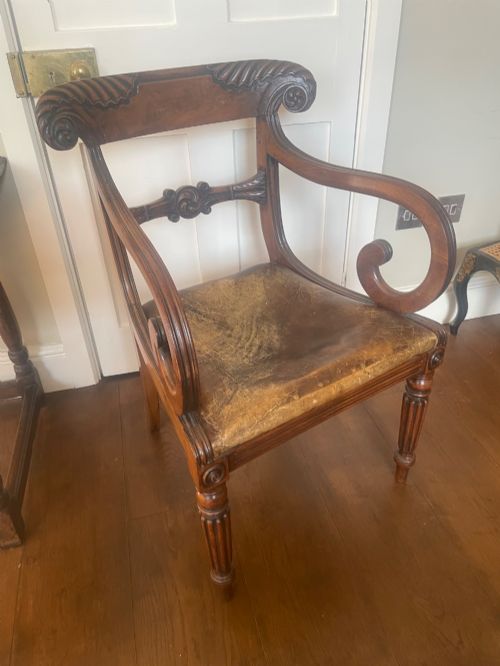
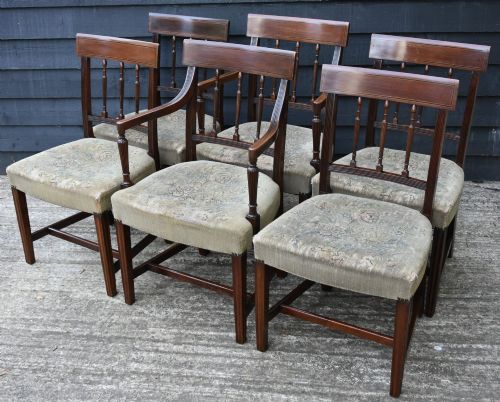
- An armchair designed to match a set of dining chairs, usually placed at the head of a table. These pieces feature elbow rests integrated into the frame.
- Revolving desk chair
- A swivelling seat designed for office or library use, often raised on a central pillar with castor feet. Many examples incorporate height adjustment mechanisms.
- Wing armchair
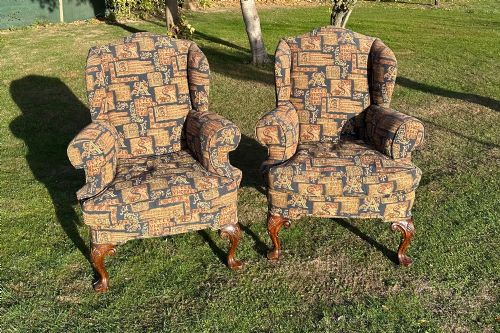
- A high-backed seat featuring upholstered side panels designed to shield the sitter from drafts. These forms date across Victorian and Edwardian periods.
- Splats
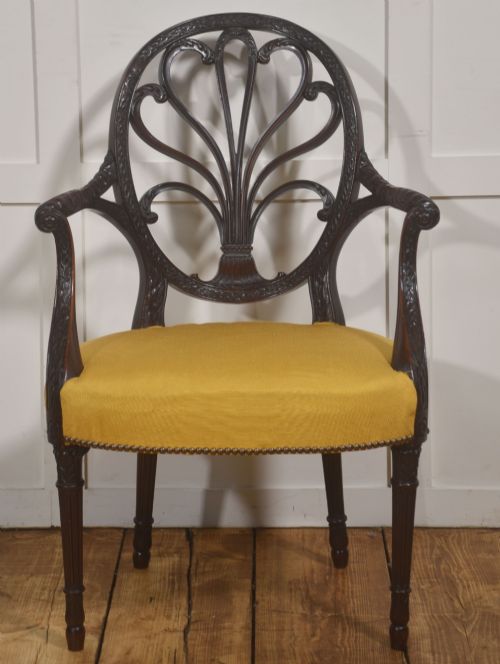
- The central vertical strip of wood down the middle of a chair back. Pierced splats appear frequently in dining chair designs.
- Tub chair
- A compact armchair with a rounded back that curves continuously into the arms. These pieces often feature low proportions.
Vintage Chairs: Frequently Asked Questions
How do I identify a Victorian desk chair?
Victorian desk chairs often combine solid mahogany or oak frames with revolving mechanisms and leather seats. Look for traditional turning and sturdy wooden bases.
Many examples include swivel functions or fixed armrests suited for nineteenth-century library and office environments.
What is a French club chair?
French club chairs are deep, low-slung armchairs typically upholstered in supple leather or fabric. They originated in mid-century French seating designs.
These chairs prioritise comfortable lounging with padded armrests and solid internal framing.
Are dining chairs sold in sets?
Dining chairs appear both as matched sets of six or eight and as larger collections of ten or twelve pieces. Matched sets maintain uniform timber and carving styles.
Individual carvers also accompany dining sets to provide matching armchairs for table ends.
What materials were used for Edwardian desk chairs?
Edwardian desk chairs primarily utilise oak or mahogany for their revolving frames. Leather inserts frequently appear on the seats of office variants.
Brass hardware and castors are common functional additions on these pieces.