




Vintage Cast Iron Decor
Vintage cast iron decor brings industrial weight and sculptural presence to an interior, offering robust utility and enduring form.
Vintage Cast Iron Decor
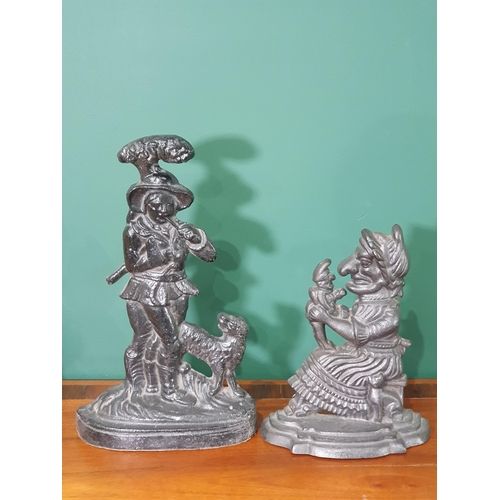
Vintage cast iron decor comprises functional objects and architectural fragments cast in iron across the nineteenth and early twentieth centuries. These pieces range from heavy utilitarian items like doorstops and hitching posts to decorative wall plaques and fireplace ornaments.
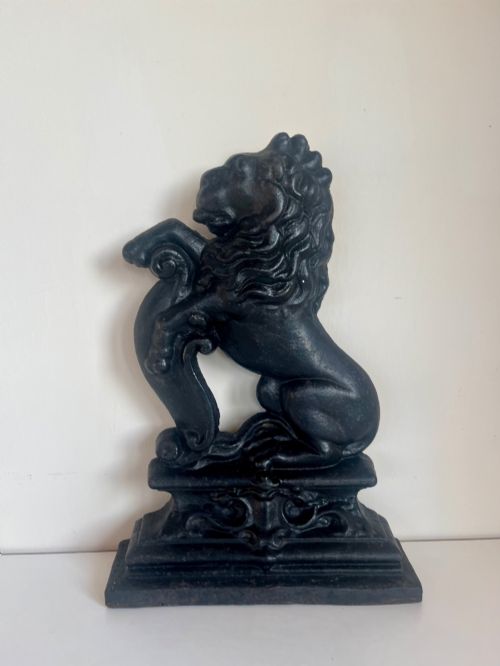
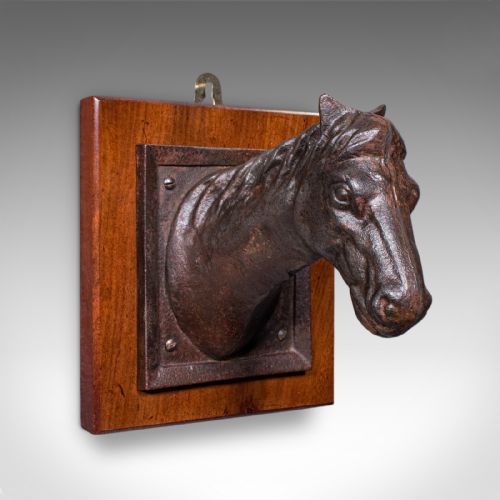
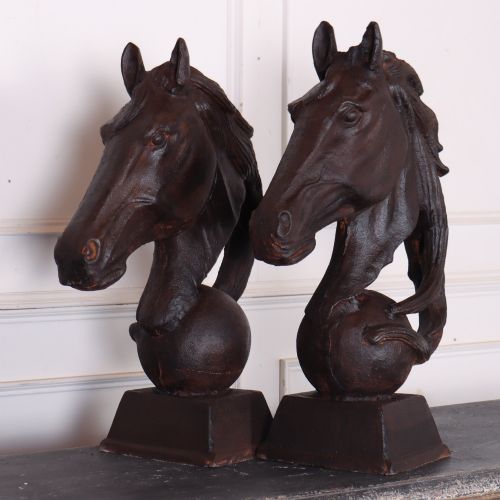
Buyers seeking vintage cast iron decor will frequently encounter animal forms such as horse heads and hunting dogs, alongside architectural salvage and heraldic plaques. These items reflect both domestic utility and decorative arts from the Victorian and Edwardian periods.
The selection spans British and French origins, taking the form of sculptures, umbrella stands, and cart wheels. Each piece demonstrates the heavy industrial capability of past workshops applied to everyday household and garden objects.
What varies in quality
The integrity of the original material and the retention of early paint surfaces dictate the desirability of a piece. Weight, proportion, and the absence of clumsy repairs separate standard utilitarian items from finer decorative examples.
Vintage Cast Iron Decor Retail Price Guide 2026
Typical asking prices for vintage cast iron decor among the pieces listed under this phrase on Sellingantiques today, from the lower quarter to the upper quarter. They describe what is for sale here now, not the wider market.
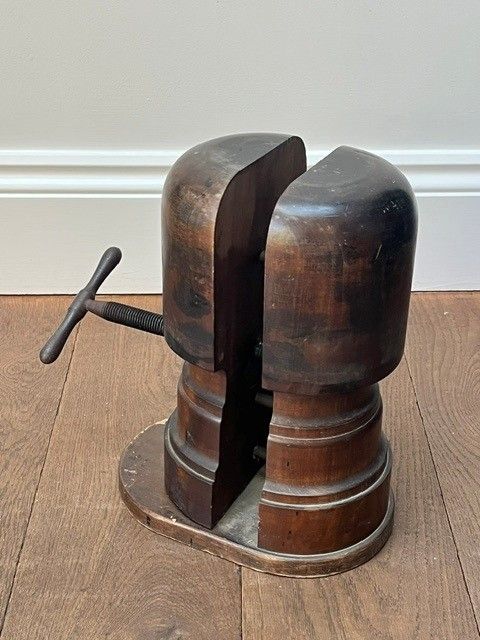
Object types range from sculptures and doorstops to millinery equipment and umbrella stands.
Burgess Brothers of Weaverham
The Vintage Cast Iron Decor Glossary
- Cast iron
- An iron-carbon alloy poured into a mould in a molten state. It provides exceptional weight and strength for sculptural and utilitarian objects.
- Architectural salvage
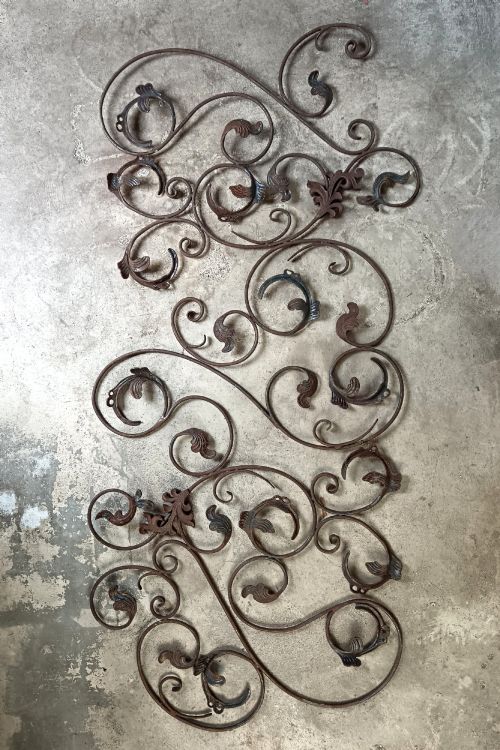
- Building elements removed from older structures for reuse as decoration. This category includes iron scroll panels and grilles.
- Doorstop
- A heavy weighted object used to keep doors open. Cast iron versions often took the form of animals, figures, or architectural devices.
- Hitching post
- A sturdy vertical post with a ring or decorative top used for tying horses. Surviving examples often feature cast iron horse heads.
- Armorial plaque
- A decorative panel displaying a coat of arms or heraldic insignia. These were frequently cast in iron for exterior or interior display.
Vintage Cast Iron Decor: Frequently Asked Questions
How do I date cast iron decor?
Dating relies upon stylistic markers of the Victorian, Edwardian, and Art Deco periods present in the design. Examining the casting technique and surface wear also helps establish the age.
Industrial pieces often carry registration numbers or manufacturer details that narrow down the production era. Comparing the form to documented nineteenth and early twentieth-century examples confirms the period.
Are these pieces suitable for outdoor use?
Many items were originally designed for exterior placement, such as hitching posts and architectural panels. Cast iron withstands outdoor conditions well, though exposure will cause natural weathering.
Protecting the surface with appropriate coatings prevents excessive corrosion in damp climates. Painted pieces require periodic maintenance to preserve the finish against moisture.
How heavy are cast iron objects?
Cast iron is a dense and heavy material, meaning items like doorstops and statues require stable surfaces for placement. Large architectural salvage pieces demand secure wall fixings.
Buyers should consider the weight before purchasing wall-mounted plaques or large floor-standing items. This mass provides the stability that made the material popular for utility.
What is the difference between cast iron and wrought iron?
Cast iron is poured into moulds and cannot be readily bent or forged once set. Wrought iron is worked by hand while hot, allowing for hammered scrolls and structural bars.
Decor items often combine both materials, using cast forms for figures and wrought elements for frames or brackets. Understanding this distinction clarifies how a piece was constructed.