




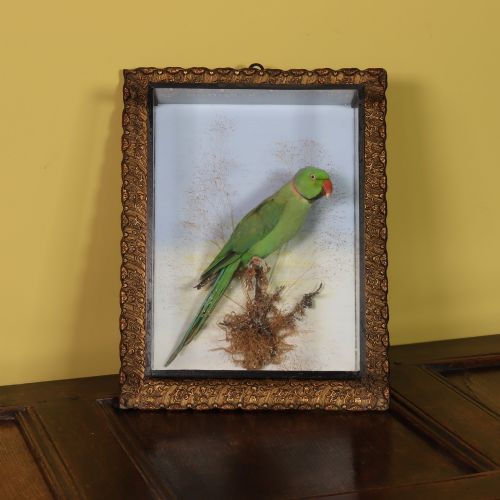




Vintage Cased Taxidermy Display
These vintage cased taxidermy display pieces preserve natural history beneath glass, bringing Victorian and Edwardian dioramas into modern interiors.
Vintage Cased Taxidermy Display
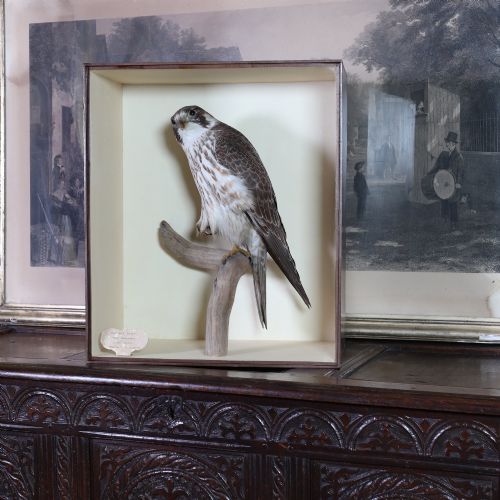
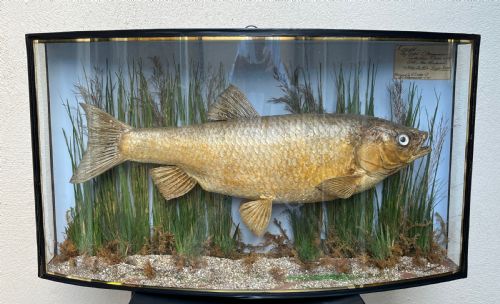
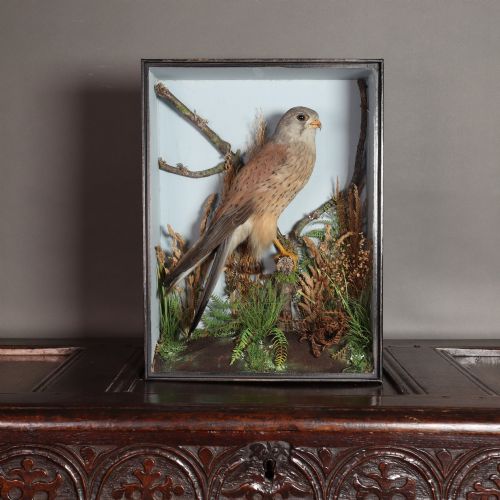
A vintage cased taxidermy display brings together preserved specimens and protective enclosures, ranging from table domes to wall-mounted glass cases. Buyers searching this phrase encounter birds of prey, fish, and mammals set within naturalistic backgrounds of moss, twigs, and painted paper. The pieces span the Victorian and Edwardian eras into the early twentieth century, reflecting a period of intense fascination with natural science.
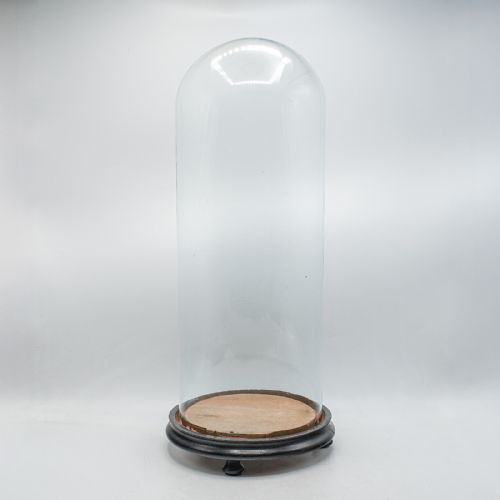
The most common formats on this page are upright wooden cases and rounded glass domes protecting single specimens or small groups. Avian subjects like kingfishers, owls, and parrots appear alongside freshwater fish such as pike, roach, and carp. Each arrangement captures a slice of habitat, relying on constructed foliage and painted backdrops to simulate life under glass.
Materials and Construction
Makers housed preserved specimens inside frames of ebonised wood, mahogany, oak, and pine, fronted by blown or drawn glass. The internal landscapes utilise preserved moss, real feathers, painted paper backdrops, and fabric elements to build up the illusion of natural habitats. Glazing beads and wooden trims seal the boxes against dust and moisture, keeping the specimens intact for generations.
Taxidermists mounted skins over carved or wire frameworks, arranging plumage and fur to replicate lifelike postures. Glass domes sit upon wooden bases, often secured with paper tape or sealant around the rim. Painted wooden cases utilise perspective backgrounds behind the central subject to create depth in a shallow space.
Vintage Cased Taxidermy Display Retail Price Guide 2026
Typical asking prices for vintage cased taxidermy display among the pieces listed under this phrase on Sellingantiques today, from the lower quarter to the upper quarter. They describe what is for sale here now, not the wider market.
Among the preserved fauna, an unexpected pet dog stands alongside an array of exotic parrots, freshwater fish, and native British birds.
Factors of Quality
The standard of a vintage cased taxidermy display rests upon the anatomical accuracy of the specimen and the artistic merit of its setting. Skilled practitioners achieved alert, dynamic postures that avoid stiffness, whereas lesser examples present flat or rigid forms. The complexity and condition of the hand-painted background also divide standard work from superior output.
Original glass and untouched interior components carry more weight than replaced elements. Cases bearing maker labels or signatures from established firms retain distinct documentary value. The integrity of the surrounding woodwork and clarity of the glass complete the assessment.
Little and Co·J Griffiths of Burford·TE Gunn·William Bazeley and Sons·Hutchings of Aberystwyth·James Jones of London·J Cooper and Sons·James Gardner·Rowland Ward of London·J Dobson
The Vintage Cased Taxidermy Display Glossary
- Glass Dome
- A blown glass cover used to protect fragile specimens from dust and handling. These circular or oval covers rest upon turned wooden bases.
- Diorama
- A three-dimensional scene containing a taxidermy specimen placed before a painted background. This technique creates the illusion of an animal within its natural surroundings.
- Ebonised Wood
- Timber treated with a dark stain or finish to imitate ebony. This dark framing material is common in nineteenth-century display cases.
- Naturalistic Setting
- An interior arrangement utilising moss, twigs, and painted elements to mimic an outdoor habitat. Makers built these miniature landscapes behind the glass front.
- Specimen Case
- A wooden box with a glazed front designed to house preserved animals or fish. These enclosures hang on walls or sit upon flat surfaces.
Vintage Cased Taxidermy Display: Frequently Asked Questions
Where should I place a taxidermy display in my home?
Keep displays away from direct sunlight, which fades plumage, fur, and painted backgrounds over time. Stable room temperatures protect the organic materials from cracking.
Position cases where humidity remains low, avoiding damp rooms like bathrooms or kitchens. Solid furniture or dedicated wall brackets provide secure support for heavy glass and wood structures.
How can I tell the Victorian pieces apart from later ones?
Victorian examples often feature heavier ebonised wood frames, elaborate plaster work inside domes, and dense arrangements of mixed species. The handwriting on old maker labels or taxidermist inscriptions inside the case also points to specific decades.
Edwardian and later pieces tend toward cleaner oak or mahogany mouldings and simpler, single-species compositions. Painted backgrounds in twentieth-century cases frequently adopt a brighter, more illustrative style.
Were these animals killed for display?
Nineteenth and early twentieth-century collecting practices reflected contemporary scientific interest and sporting culture rather than modern conservation standards. Specimens often came from private estates, natural history expeditions, or natural deaths.
Today, these historical artefacts serve as records of past taxidermy artistry and natural history education. They are preserved as antiques rather than sourced through active trade.