





Vintage Carving Knife
These vintage carving knife and related desk accessories and cutlery pieces bring period craftsmanship and historic utility straight to your table.
Vintage Carving Knife
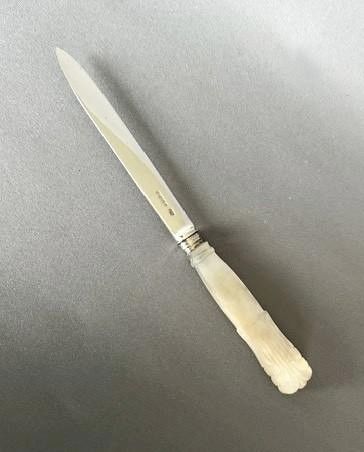
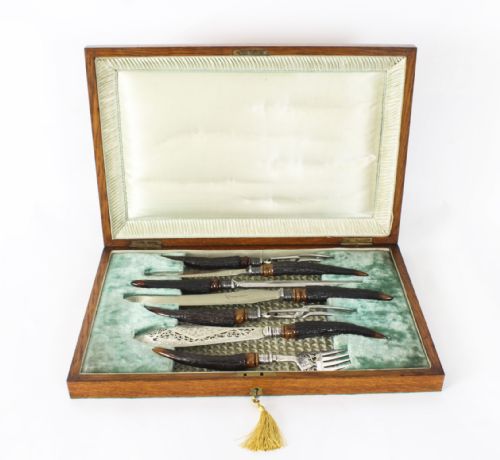
When you search for vintage carving knife, you encounter a diverse selection of edged implements, serving pieces, and desk accessories spanning multiple centuries. The objects range from Victorian antler horn carving serving sets to smaller fruit knives and associated cutlery.
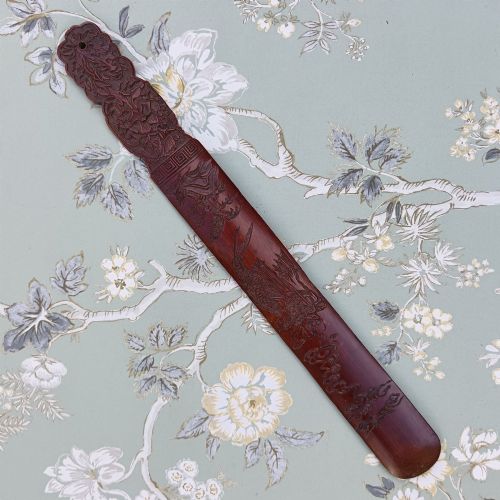
You are most likely to meet pieces originating from the Victorian and Georgian eras alongside early twentieth-century examples. Alongside standard carving sets, the listings include specialised items such as fish servers, pocket knives, and letter openers.
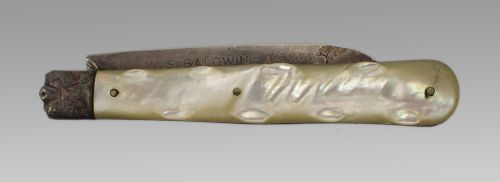
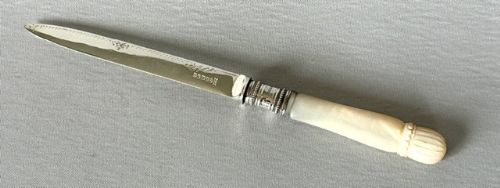
The selection encompasses both functional table implements and decorative items fashioned from organic materials like mother-of-pearl and fruitwood. These items reflect the domestic habits and dining customs of their respective periods.
Materials and Fabrication Methods
Metal components primarily utilise steel, sterling silver, and silver plate, frequently paired with organic grips. Handles and decorative elements often incorporate mother-of-pearl, bone, fruitwood, yew wood, and carved bamboo.
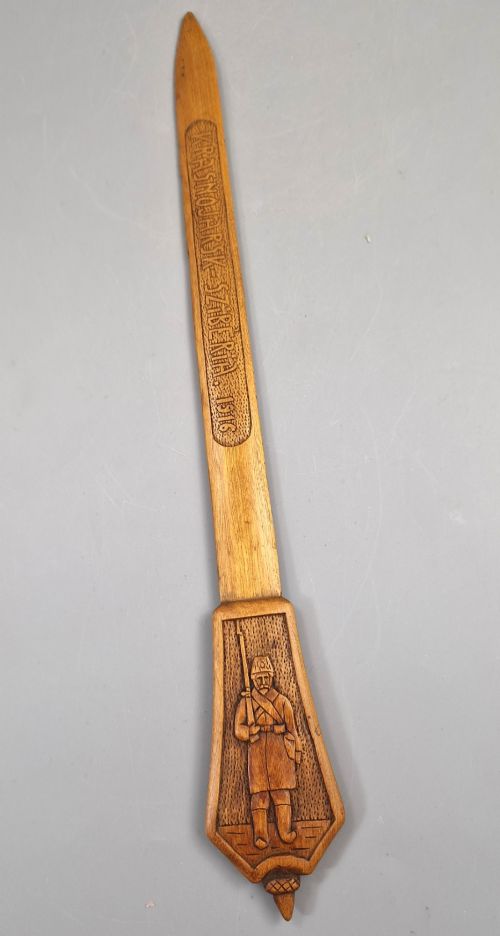
Craftsmen utilised traditional metalworking for blades and ferrules alongside detailed carving techniques for wooden and organic handles. Specialised items such as trench art demonstrate improvised carving methods executed during wartime.
Vintage Carving Knife Retail Price Guide 2026
Typical asking prices for vintage carving knife among the pieces listed under this phrase on Sellingantiques today, from the lower quarter to the upper quarter. They describe what is for sale here now, not the wider market.
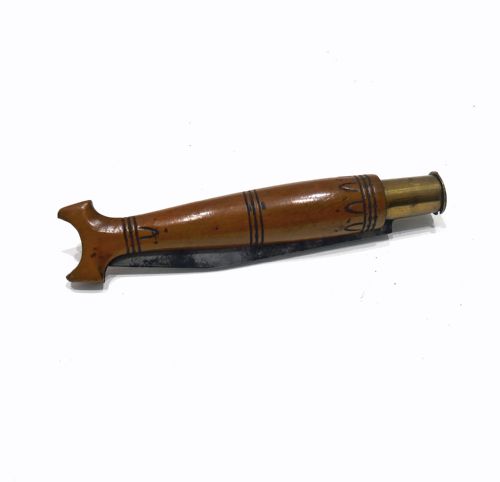
Fishermen seeking distraction carved fruitwood pocket knives directly into the distinct form of a fish during the nineteenth century.
Distinctions in Quality and Execution
The standard of execution is evident in the precision of the blade metalwork and the intricacy of the handle carving. Finer examples display harmonious proportions between the metal blade and organic grips like mother-of-pearl or antler.
Condition and completeness also define the upper tier of pieces, particularly when found in original fitted boxes. The integration of precious metals like sterling silver alongside well-preserved natural materials elevates the overall character of the piece.
The Vintage Carving Knife Glossary
- Silver Plate
- A base metal coated with a thin layer of silver. This technique provided the appearance of solid silver at a more accessible cost for nineteenth-century dining sets.
- Mother-of-Pearl
- The iridescent inner layer of mollusc shells, commonly utilised for knife handles and decorative desk accessories. Its delicate shimmer made it highly favoured in the Victorian period.
- Fish Servers
- Specialised serving cutlery comprising a large knife and fork designed for presenting fish courses. They often feature pierced blades decorated with engraved floral motifs.
Vintage Carving Knife: Frequently Asked Questions
What periods do these pieces span?
The items originate from various eras including the Georgian, Victorian, and early twentieth-century periods. Each era brought distinct stylistic preferences to dining implements and desk accessories.
Maker marks and material choices often help narrow down the production window for specific items.
How were carving sets used historically?
Carving sets were utilised at the dining table for portioning roasts and large joints of meat before serving guests. They formed an essential part of formal Victorian and Edwardian dining.
Matched serving knives and forks were frequently housed in dedicated presentation boxes when not in active use.
What materials are common on handles?
Handles frequently incorporate mother-of-pearl, bone, antler horn, and various hardwoods like fruitwood and yew wood. These materials provided both tactile warmth and visual contrast against steel blades.
Organic elements were carefully shaped and pinned to the metal tangs to ensure a secure grip.
Are all items meant for dining?
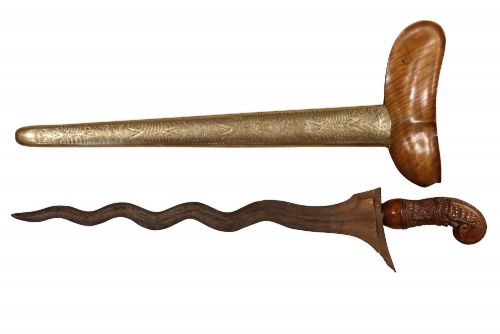
While many pieces serve dining functions, the category also encompasses desk accessories such as letter openers, paper knives, and pocket knives. Ethnographic items and trench art are also represented.
These diverse objects share a common reliance on blade construction and decorative carving techniques.