




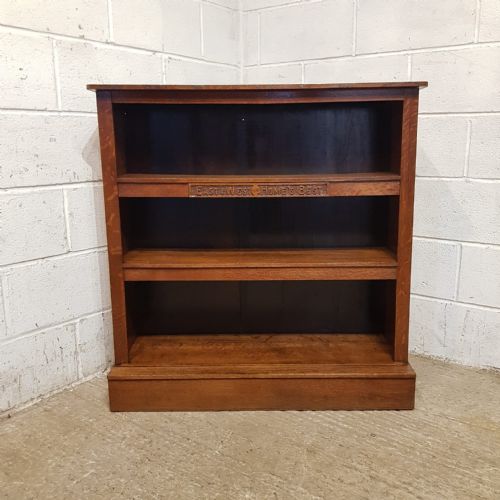
Vintage Carved Bookshelf
A vintage carved bookshelf brings architectural warmth and practical display to a room, offering sturdy open timber for daily volumes.
Vintage Carved Bookshelf
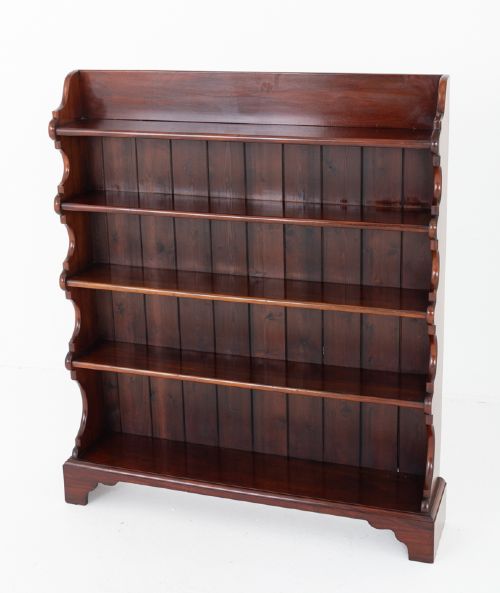
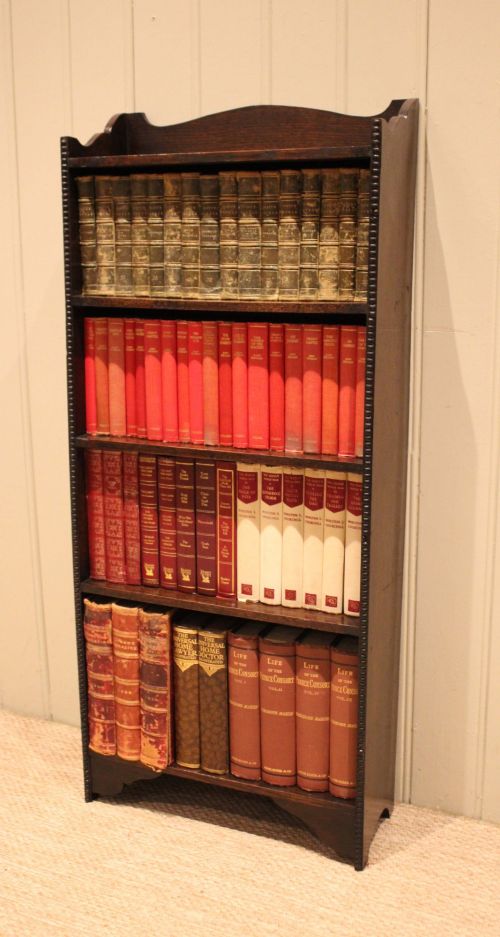
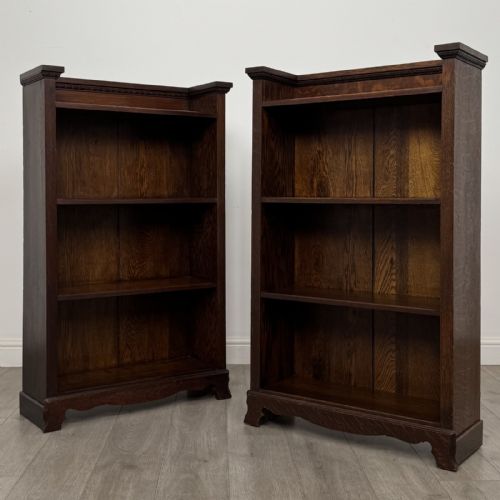
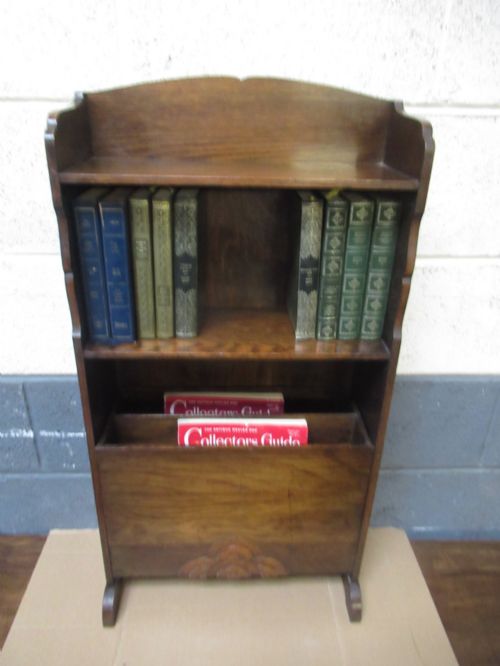
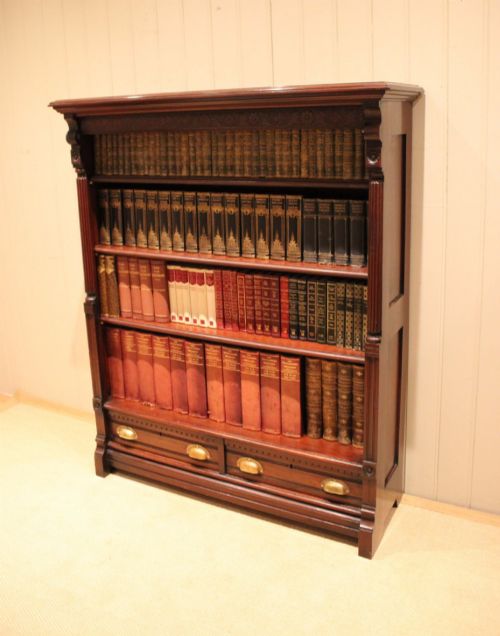
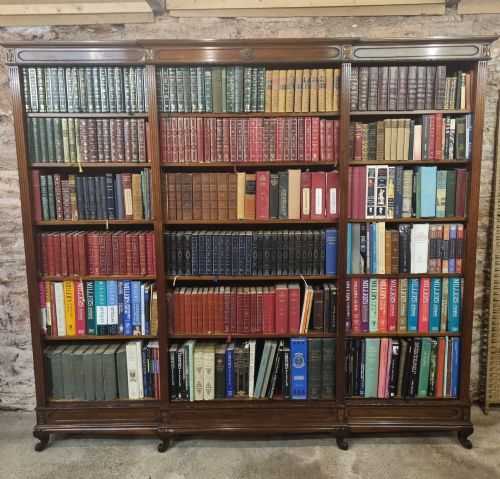
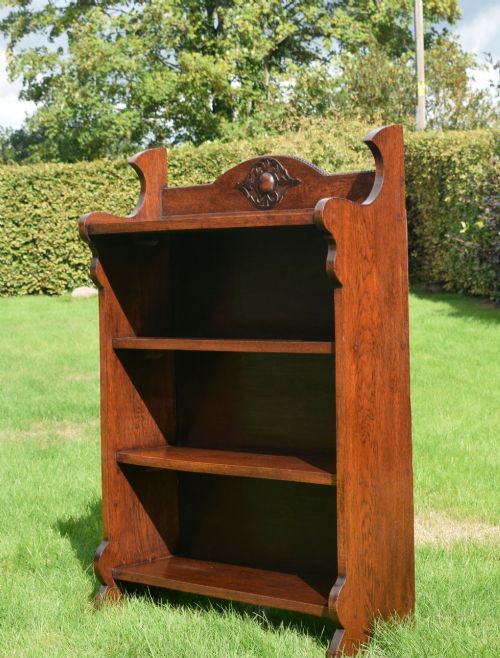
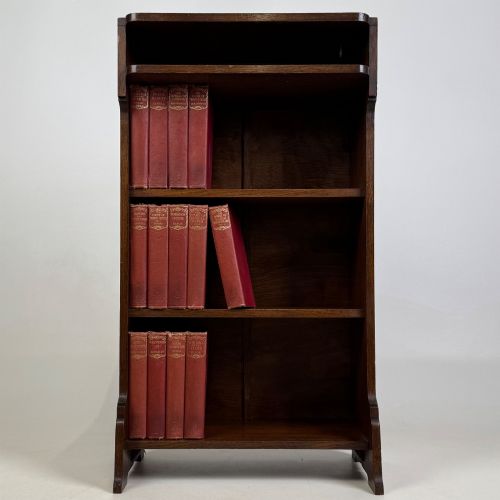
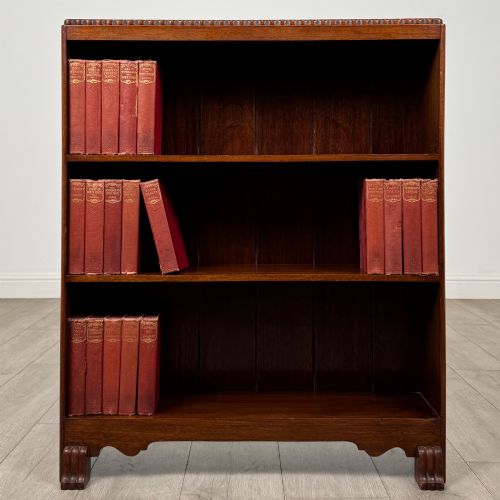
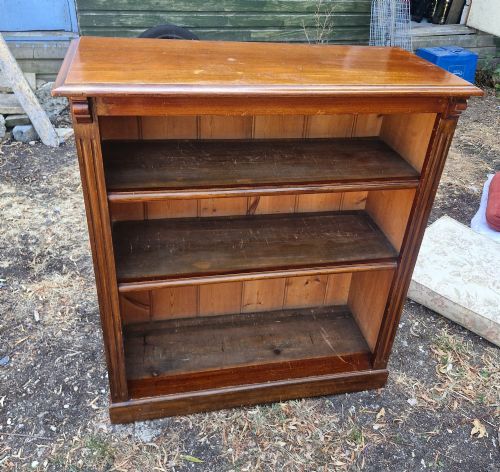
When searching for a vintage carved bookshelf, buyers encounter a diverse selection of open bookcases, wall shelves, and revolving stands primarily hailing from the Victorian and Edwardian eras. These pieces range from compact wall-mounted ledges to large library bookcases designed to house extensive household volumes.
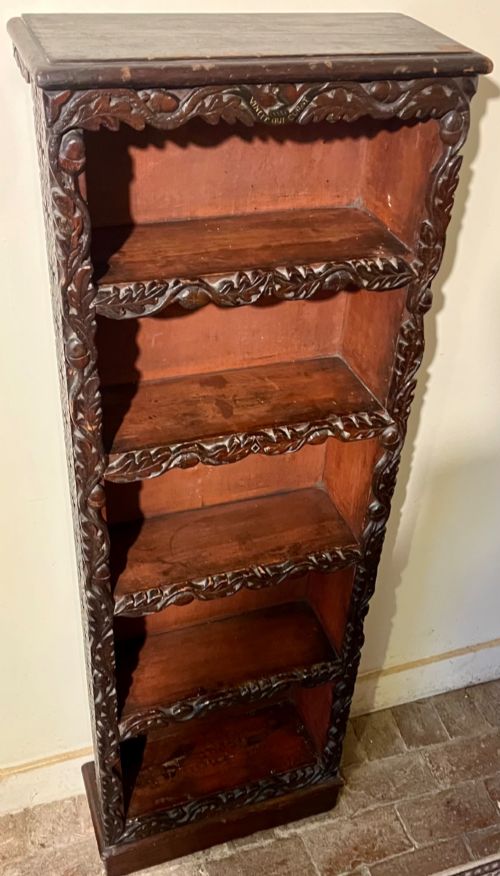
The most common examples on this page are Edwardian and Victorian oak and mahogany open bookcases featuring carved edges, pegged joints, and adjustable shelving. Makers across the nineteenth and early twentieth centuries produced these items in various styles including Arts and Crafts, Jacobean Revival, and Gothic Revival.
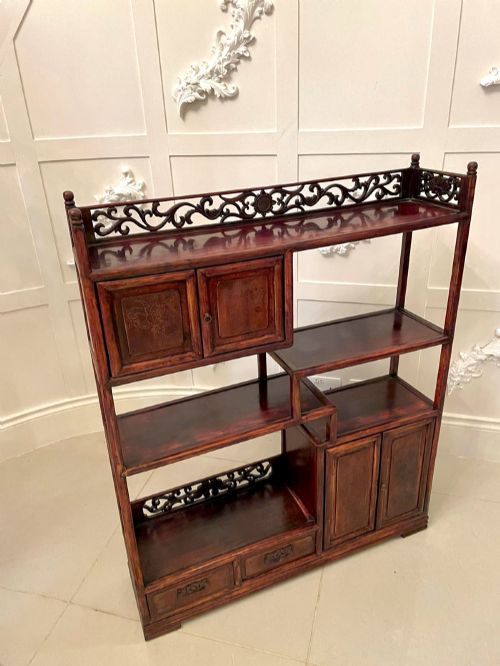
Alongside standard floor-standing units, buyers will discover smaller wall-mounted shelves in walnut, limewood, and satin birch, as well as revolving book stands and display cabinets. These functional items reflect the domestic habits of earlier periods when personal libraries expanded within the home.
How they were made
Carpenters and cabinetmakers utilised native and imported hardwoods such as oak, mahogany, walnut, and satinwood, frequently selecting solid timber for structural durability and decorative grain. Workshops employed traditional joinery techniques, including pegged joints and dovetailed drawers, alongside hand-carved mouldings and edges.
Iron and brass hardware, such as adjustable shelf brackets and hinges, provided functional support for heavy book collections while adding subtle metallic contrast to the timber surfaces. Secondary woods like pine appeared on internal components, while surface finishes relied on traditional polish and wax to protect the wood.
Vintage Carved Bookshelf Retail Price Guide 2026
Typical asking prices for vintage carved bookshelf among the pieces listed under this phrase on Sellingantiques today, from the lower quarter to the upper quarter. They describe what is for sale here now, not the wider market.
Millinery hat blocks occasionally sneak into the shelves, proving that past owners stored more than just books on their timber ledges.
What varies in quality
The distinction between standard utility items and finer pieces rests on the crispness of the hand-carving and the selection of figured timber veneers. Superior examples display balanced proportions, clean joints, and thoughtful integration of carved details along the top edges and panels.
Structural complexity also separates pieces, such as the smooth mechanical action found in revolving book stands or the precision required for large breakfront libraries with adjustable shelving. Pieces retaining original brass fittings and uncompromised structural integrity command greater appreciation from collectors.
Ercol
The Vintage Carved Bookshelf Glossary
- Open Bookcase
- A shelving unit without doors, allowing direct access to books from the front. This form dominated domestic interiors for displaying library collections.
- Breakfront
- A cabinet or bookcase whose central section projects forward from the flanking sides. This architectural arrangement adds depth and visual interest to larger furniture forms.
- Revolving Bookcase
- A compact shelving unit mounted on a rotating pivot base. It allowed users to access multiple tiers of books from a single seated position.
- Pegged Joinery
- A method of securing mortise and tenon joints using wooden pins rather than modern fasteners. This technique indicates traditional hand construction methods.
- Giltwood
- Timber that has been coated with a thin layer of gold leaf. It appears on decorative wall shelves and mirrors from the Victorian period.
Vintage Carved Bookshelf: Frequently Asked Questions
How do I style a vintage carved bookshelf?
Pair the warm timber tones with neutral walls to let the carved details and wood grain stand out as focal points in the room.
Mix vertical book stacks with small decorative objects or framed prints to balance the visual weight of heavy volumes on open shelves.
Were these bookshelves designed for heavy books?
Many nineteenth-century bookcases were built using solid oak or mahogany specifically to support large, heavy collections of leather-bound volumes.
Units featuring adjustable shelving allowed owners to customise shelf heights for oversized folios and smaller novels alike.
How can I tell an Edwardian bookcase from a Victorian one?
Victorian pieces often display heavier proportions, darker finishes, and more ornate decorative carving influenced by Gothic or classical revival styles.
Edwardian examples frequently exhibit lighter oak or mahogany construction, cleaner lines, and simpler Arts and Crafts inspired geometric details.
What is the purpose of a revolving bookcase?
Revolving bookcases were invented to hold dictionaries, reference volumes, or favourite novels within easy reach beside a desk or armchair.
The clever pivoting mechanism allowed users to spin the entire tiers effortlessly to select a book without leaving their seat.