




Vintage Carriage Light
These vintage carriage light examples bring robust railway, coach and marine heritage directly into domestic interiors.
Vintage Carriage Light
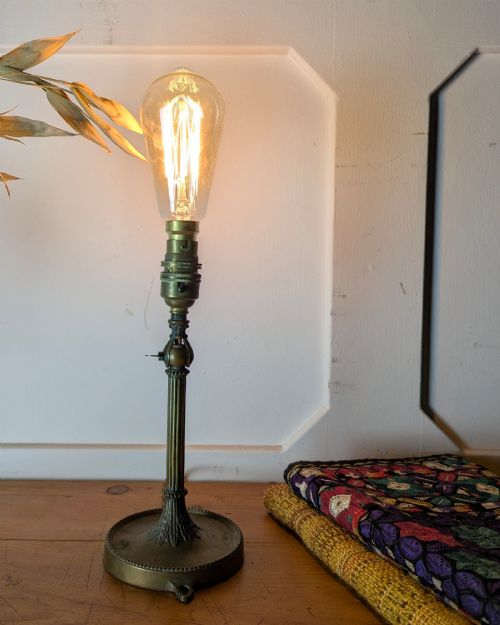
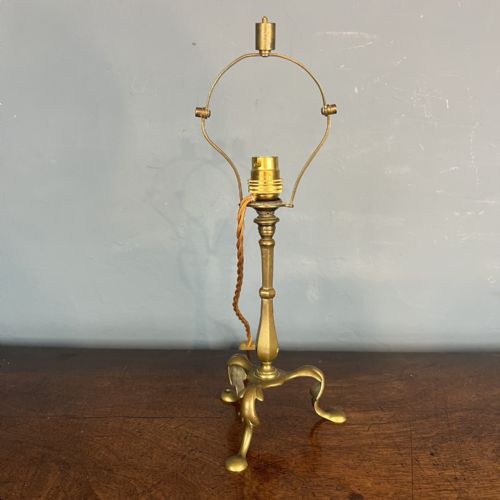
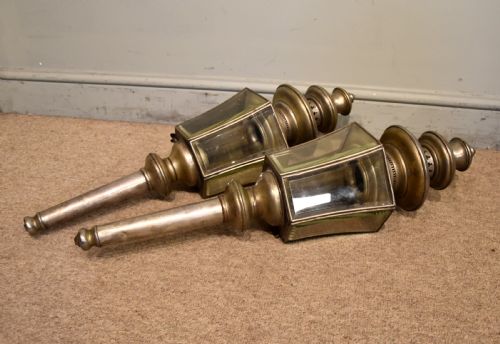
When you search for a vintage carriage light, you find robust brass, copper and iron lanterns that once illuminated railway carriages, coaches and ships. These functional fixtures include wall lights, table lamps and hanging lanterns dating from the nineteenth and early twentieth centuries.
The versions most common on this page span Victorian and Edwardian periods alongside later Art Deco and Arts and Crafts interpretations. Many survive as matched pairs originally mounted to coaching stock or railway compartments.
Makers such as Veritas Lamp Works and Daris produced utilitarian designs that transitioned from transit use into decorative domestic wall lighting. Pieces range from nickel-plated reading lamps to large country house coaching lanterns.
Distinctions in quality and execution
Quality separates utilitarian transit fixtures from decorative domestic interpretations through the weight of the metal and the precision of the casting. Heavier brass frames and crisp architectural mouldings indicate superior workshop production.
The integrity of original bevelled or curved glass panes and the survival of makers' marks or working gimbal brackets elevate a piece. Finer examples retain intact original plating and patination without excessive modern intervention.
Vintage Carriage Light Retail Price Guide 2026
Typical asking prices for vintage carriage light among the pieces listed under this phrase on Sellingantiques today, from the lower quarter to the upper quarter. They describe what is for sale here now, not the wider market.
Listings feature brass, copper, iron and nickel alongside clear, frosted and opaline glass across the Victorian, Edwardian and Art Deco periods.
Veritas Lamp Works·Daris
The Vintage Carriage Light Glossary
- Gimbal
- A pivoted support that allows a lamp to remain level regardless of motion. This mechanism is essential for fixtures originating on ships or trains.
- Opaline
- A milky, translucent glass used in shades to diffuse light softly. It appears frequently in Edwardian railway lighting.
- Verdigris
- A green patina formed naturally on copper or brass through atmospheric exposure. Collectors often prize this aged surface texture.
- Pullman
- A style associated with luxurious railway sleeping and dining cars. These lamps are typically compact and adapted for wall or table mounting.
- Coach-house
- A design style mimicking the large lanterns mounted beside historic stable and carriage entrances. These are usually executed in copper or iron.
Vintage Carriage Light: Frequently Asked Questions
How were original carriage lamps powered?
Most early examples utilised enclosed oil or paraffin burners before transitioning to electrical wiring during later refurbishments. Railway and carriage lamps needed secure fuel containers to prevent spills during transit.
Today, surviving fixtures are typically converted to electricity for safe interior use while retaining their original exterior metalwork and mounting brackets.
Where should I mount a wall lantern?
These lanterns suit hallways, studies and porches where their robust metal construction and directional light create a strong focal point. Paired fixtures work well flanking architectural doorways or fireplaces.
Ensure the wall structure can support the substantial weight of cast iron and brass frames.
How do I date a Victorian carriage light?
Dating relies on material combinations, fastener types and the specific architectural style of the metalwork. Victorian pieces often feature heavy cast brass, hand-soldered joints and simple oil font assemblies.
Later Edwardian and Art Deco examples introduce opaline glass shades and cleaner geometric lines.
What is a gimbal lamp used for?
Gimbal rings allowed lamps aboard rolling railway carriages or rocking ships to swing freely and stay upright. This prevented the flame from tipping or fuel from spilling during motion.
In modern homes, these articulating mounts add an authentic industrial mechanical detail.