
Vintage Cane
These vintage cane pieces range from robust cast iron umbrella stands to elegant French bergère armchairs, offering practical utility and period charm for the home.
Vintage Cane
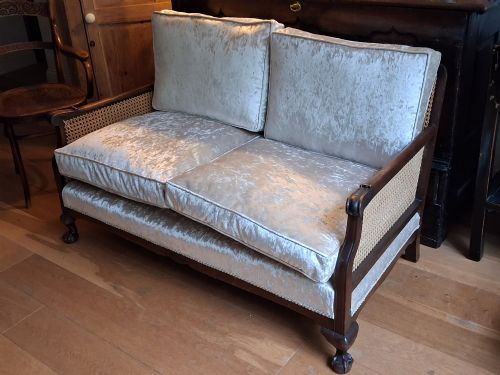
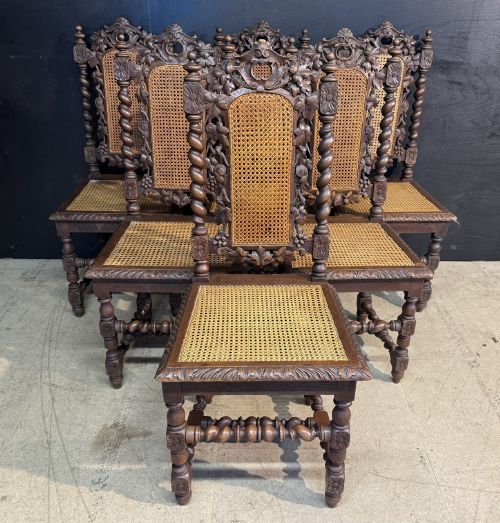
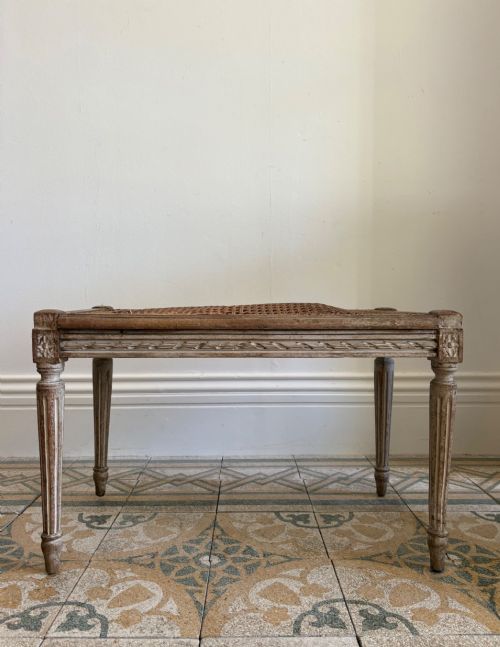
When you search for vintage cane, you encounter a diverse selection of furniture and accessories spanning the nineteenth and early twentieth centuries. The inventory bridges functional hallway items like umbrella stands and walking sticks with seating options such as dining chairs, tub chairs, and day beds.
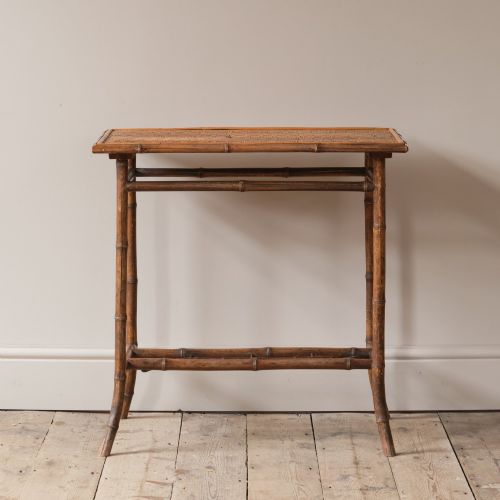
You are most likely to meet seating featuring woven cane panels, alongside hall stands constructed from oak, mahogany, bamboo, and cast iron. These objects reflect domestic routines and stylistic shifts from Victorian and Edwardian periods through the Arts and Crafts and Art Deco movements.
How they were made
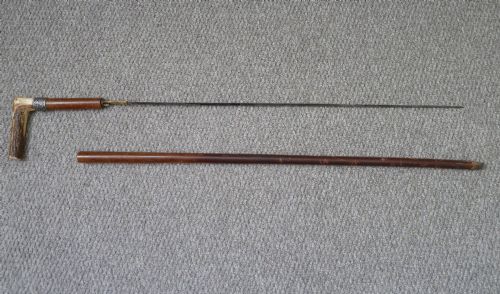
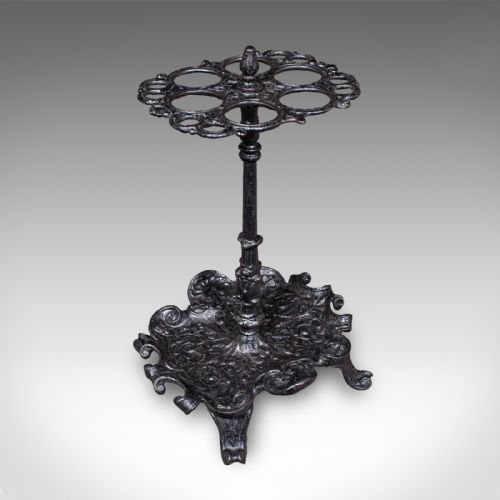
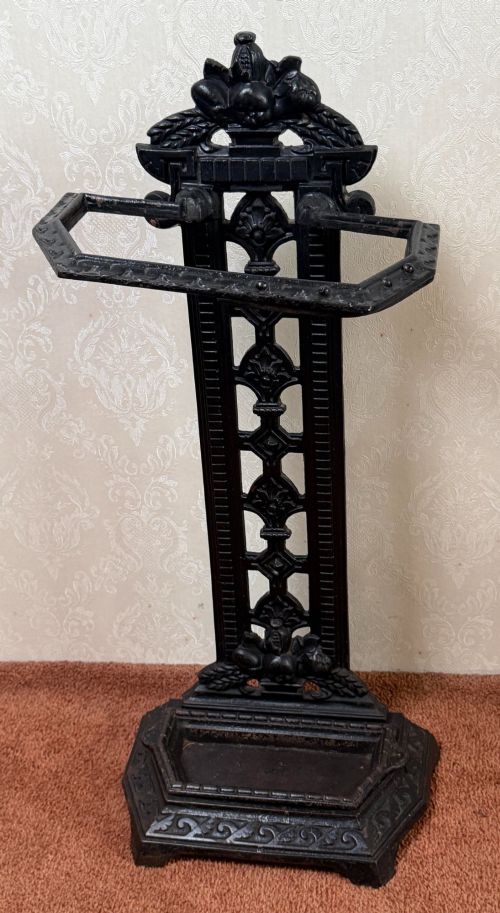
The construction relies on traditional joinery paired with natural materials like woven cane, bamboo, oak, and mahogany. Metal elements frequently appear in the category, utilising cast iron, brass, silver, and nickel plating for structural support and decorative detailing on umbrella stands and walking stick handles.
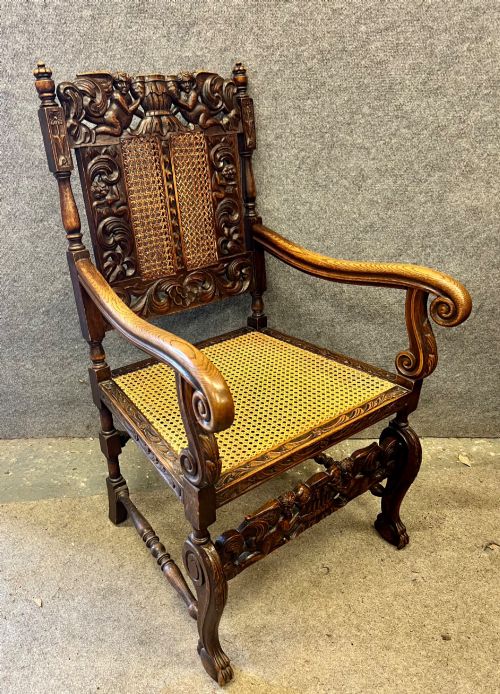
Woodworking techniques encompass carved oak, turned pillars, and painted finishes applied to chairs and hall stands. Artisans combined sturdy structural woods like oak and mahogany with pliable cane seating and intricate metalwork to create both everyday utilities and decorative items.
The inventory encompasses seating and hall furniture spanning the nineteenth century through the Art Deco period.
What varies in quality
Quality in these items is determined by the precision of the cane weaving, the depth and clarity of wood carving, and the robustness of the primary material. Pieces featuring intact, tightly tensioned cane work and solid hardwoods stand apart from simpler or heavily repaired examples.
The artistry of secondary components, such as cast iron stick loops, silver pommels, and brass bindings, defines the upper tier of the range. Finer examples display meticulous attention to detail in handles, mounts, and structural frames that elevate them above standard utility pieces.
Brigg Of London·Thomas Johnson·Burmantofts Faience·Liberty Design
The Vintage Cane Glossary
- Bergère
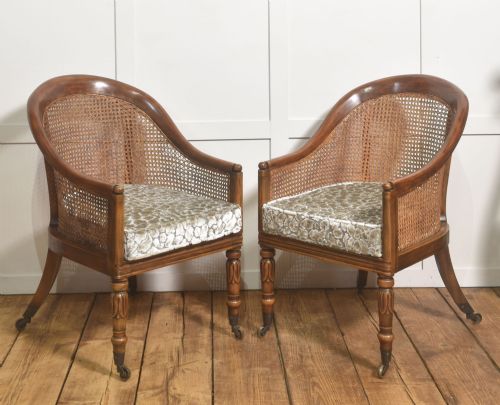
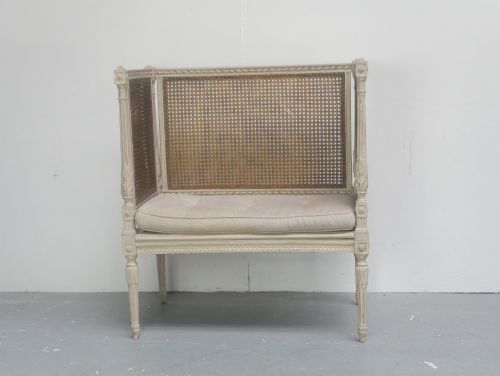
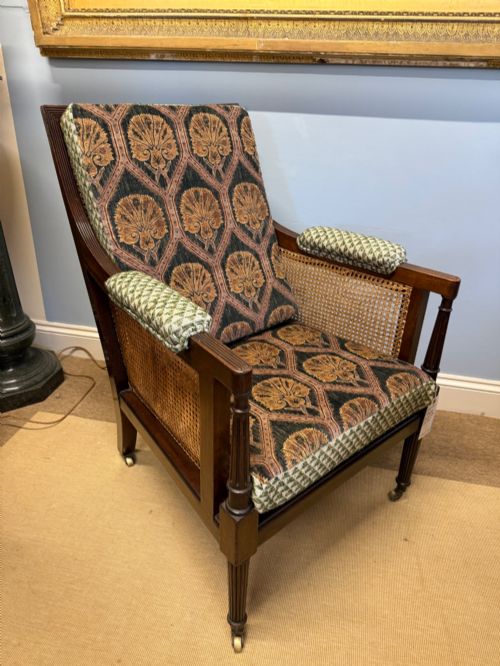
- An enclosed armchair with upholstered seat and woven cane back and sides. This French seating style dates back centuries and remains popular in nineteenth and twentieth century revival pieces.
- Cane
- The peeled and processed stem of the rattan palm used for weaving seats and back panels. It offers flexibility and strength when woven tightly.
- Pommel
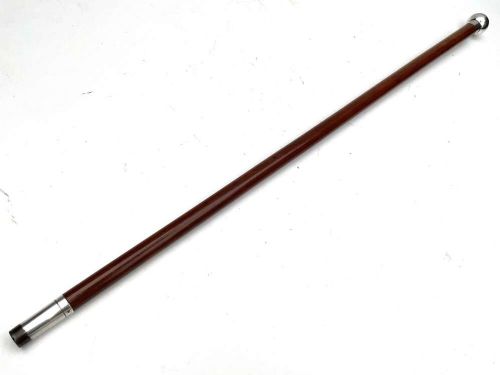
- The rounded knob or decorative handle on the end of a walking stick or cane. These often feature silver, gold, or carved horn details.
- Stick Stand
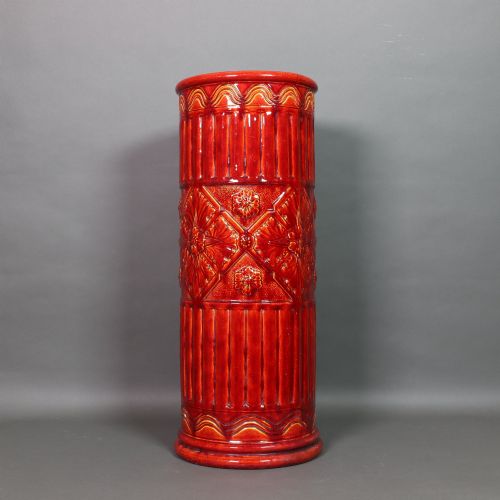
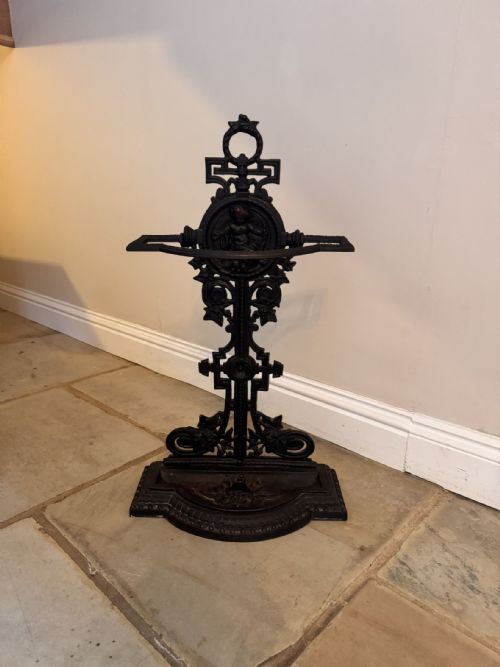
- A receptacle designed to hold walking sticks, canes, and umbrellas in a hallway or reception room. They are commonly forged from cast iron, brass, or oak.
- Shooting Stick
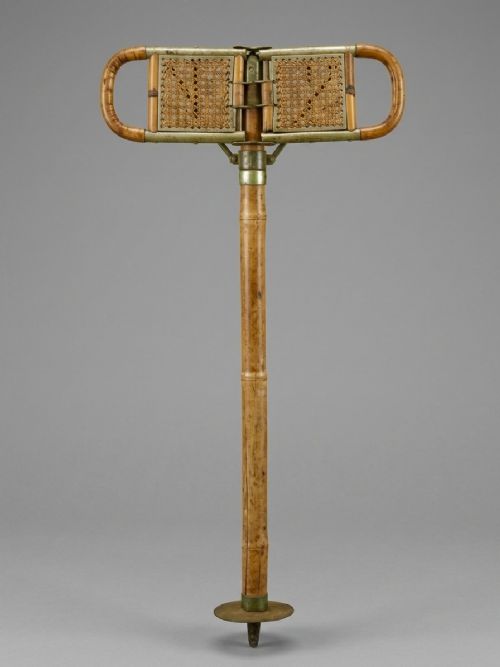
- A portable sporting seat that combines a walking cane with a fold-out ground spike and seat. They were utilised during outdoor events and field sports.
Vintage Cane: Frequently Asked Questions
How do I care for vintage cane seating?
Keep woven cane panels supple by wiping them occasionally with a damp sponge and allowing them to dry naturally. Avoid placing them near direct heat sources which can cause the natural material to become brittle.
Support the cane by not overloading chairs beyond their intended capacity. Proper humidity levels in the room will preserve the longevity of the woven strands.
What is the difference between an umbrella stand and a stick stand?
Umbrella stands generally accommodate wet umbrellas with wider bases or drip trays to catch water. Stick stands are typically tailored for walking canes and slim umbrella shafts.
Many hall stands from the Victorian and Edwardian eras served both functions interchangeably. Their designs often incorporated metal loops and brass-bound wooden bases to handle mixed collections.
How do I date a walking stick with a silver handle?
Examine the handle for assay office hallmarks, date letters, and maker stamps. These stamped marks provide precise years and locations for the manufacture of the precious metal components.
The style of the handle, whether carved into an animal head or a classic pommel, also offers clues regarding the period of production.
Can antique cane furniture be repaired if it breaks?
Skilled craftspeople can re-weave damaged cane panels using traditional hand-caning techniques. This preserves the structural integrity and historical appearance of the piece.
Minor strands can sometimes be secured, but extensive damage is best entrusted to a professional restorer who understands period furniture construction.