



Vintage Cane Lounge
These vintage cane lounge pieces combine woven seating with sturdy timber frames, offering relaxed comfort and historic character for any interior.
Vintage Cane Lounge
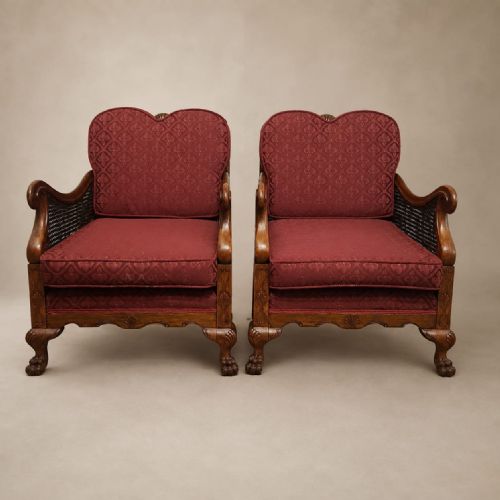
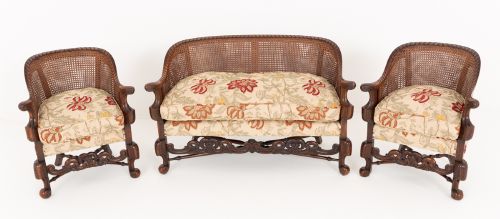
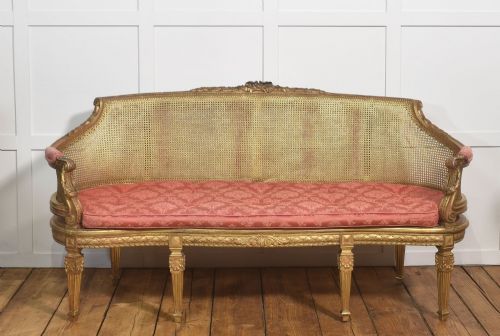
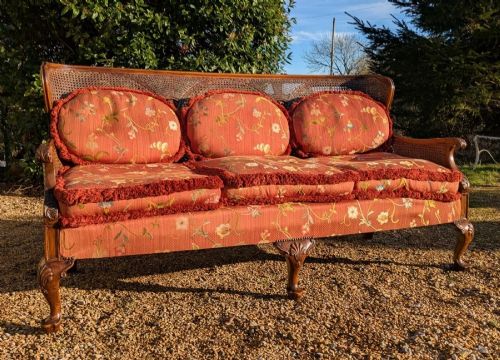
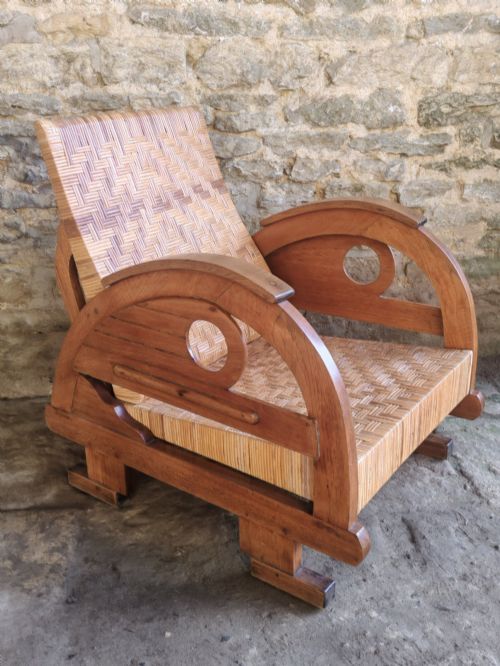
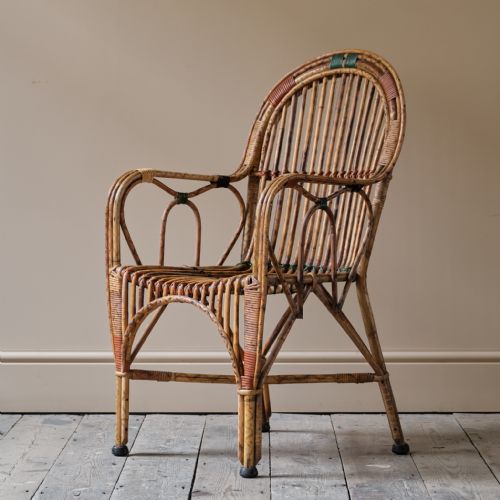
A vintage cane lounge search brings together comfortable seating made with woven cane, rattan, and timber frames across various historic periods. You will frequently encounter armchairs, bergere chairs, and reclining styles originating from the nineteenth and twentieth centuries.
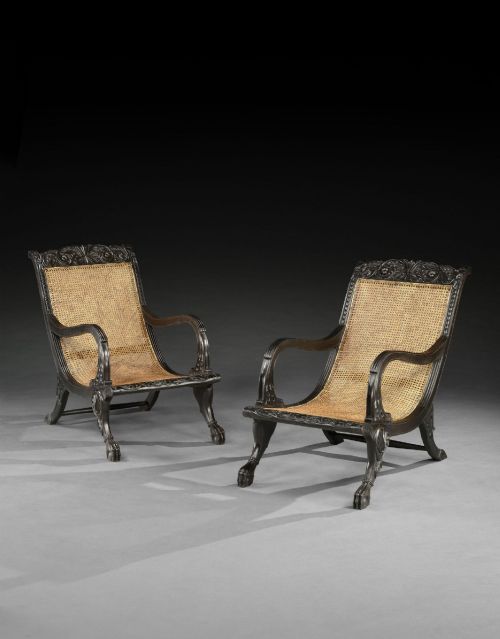
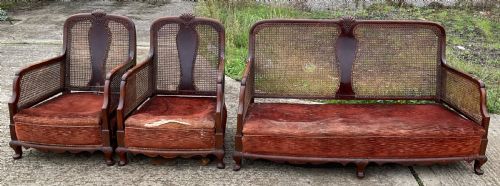
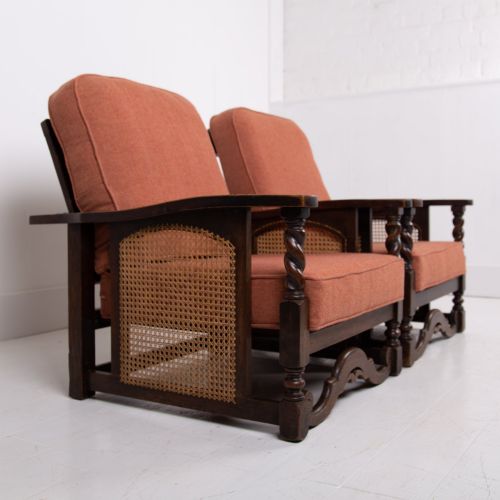
The selection ranges from oak framed fireside chairs and walnut bergere suites to French Louis style settees and colonial plantation chairs. These versatile seating options appear in materials like mahogany, teak, and rosewood, often accompanied by fabric cushions.
The version you are most likely to meet on this page is the twentieth-century bergere armchair or rattan lounge chair, reflecting styles from the Edwardian era through the Art Deco period.
How they were made
Makers constructed the structural frames of these lounge pieces using solid hardwoods such as mahogany, oak, walnut, and teak, frequently joining them through traditional woodworking methods. Giltwood and painted finishes also appear on specific continental European models.
The seating areas utilise woven cane, split cane, and rattan, threaded through frame perforations or secured to support the sitter. Many designs incorporate additional comfort through upholstered fabric cushions, velvet, and feather fillings.
Vintage Cane Lounge Retail Price Guide 2026
Typical asking prices for vintage cane lounge among the pieces listed under this phrase on Sellingantiques today, from the lower quarter to the upper quarter. They describe what is for sale here now, not the wider market.
One extraordinary lounge chair on this page previously travelled the seas inside the ballroom of the RMS Queen Elizabeth ocean liner.
What varies in quality
The standard of timber framing and the intricacy of the carved detail distinguish finer lounge pieces from simpler workshop productions. Heavier hardwoods and refined joinery indicate a higher grade of manufacture.
The tightness and uniformity of the cane or rattan weave affect the overall structural integrity and appearance of the seat. Original frames paired with well-executed hand-woven panels represent superior craftsmanship.
The Vintage Cane Lounge Glossary
- Bergere
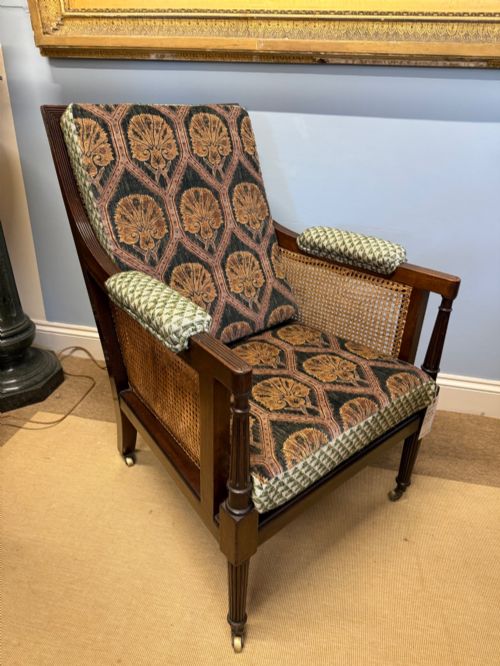
- An enclosed upholstered armchair with a wooden frame, where the sides and back often feature woven cane panels. This form originated in France during the eighteenth century and remained popular in later revivals.
- Cane
- Strips of material derived from the outer bark of the rattan palm, traditionally utilised for weaving seats and backs. It provides a flexible yet resilient surface.
- Rattan
- A climbing palm with strong stems used whole for furniture frames or split into cane for weaving. It is valued for its lightness and strength.
- Plantation chair
- A reclining lounge seat featuring extended wooden arms designed for resting feet, originating in colonial regions. These chairs often utilise tropical hardwoods like teak and rosewood.
- Bentwood
- Wood that has been heated and bent into curved shapes, commonly employed in nineteenth and twentieth-century rocking chairs and lounge seating.
Vintage Cane Lounge: Frequently Asked Questions
How do I clean vintage cane furniture?
Dust the woven cane regularly with a soft brush to prevent dirt accumulation between the strands. Wipe the timber frame with a damp cloth and dry thoroughly.
Avoid soaking the cane material with excessive water, as moisture can weaken the natural fibres over time. Maintain a moderate humidity level in the room to keep the cane pliable.
Are these lounge chairs suitable for daily use?
Most of these vintage lounge chairs function well for everyday seating when paired with supportive cushions. The flexible woven cane naturally contours to the body.
Heavier wooden frames and plantation chairs offer robust support for regular placement in living spaces. Inspect the cane weave periodically to ensure individual strands remain secure.
What is the difference between cane and rattan?
Rattan refers to the whole vine of the climbing palm, which is often steamed and bent to form the structural skeleton of a chair. Cane is the peeled outer skin of that same vine, cut into thin strips for weaving.
Chairs frequently combine both materials, using thick rattan for the main frame and fine cane panels for the backrest and seat inserts.
How can I tell the period of a lounge chair?
Examine the timber species, joinery methods, and stylistic details to determine the likely era of manufacture. Pieces influenced by Art Deco or Edwardian designs carry distinct decorative traits.
Reference the specific wood types and revival styles, such as Jacobean or Louis XVI forms, to narrow down the decade of production.