



Vintage Cane Bench
A vintage cane bench brings lightness and texture into a room, offering practical seating woven from natural materials.
Vintage Cane Bench
A vintage cane bench encompasses low seating, daybeds, and settees built with woven cane panels across a wooden frame. These pieces span the nineteenth century and the early decades of the twentieth century, originating from French provincial workshops, English workshops, and colonial centres such as Anglo-Indian workshops.
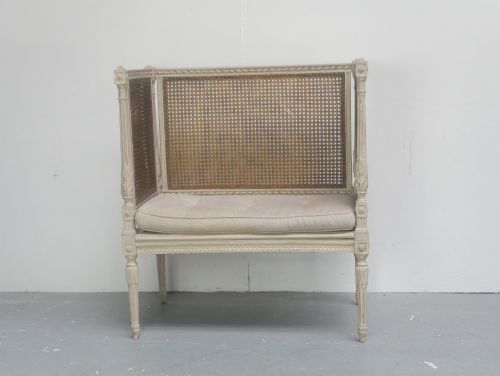
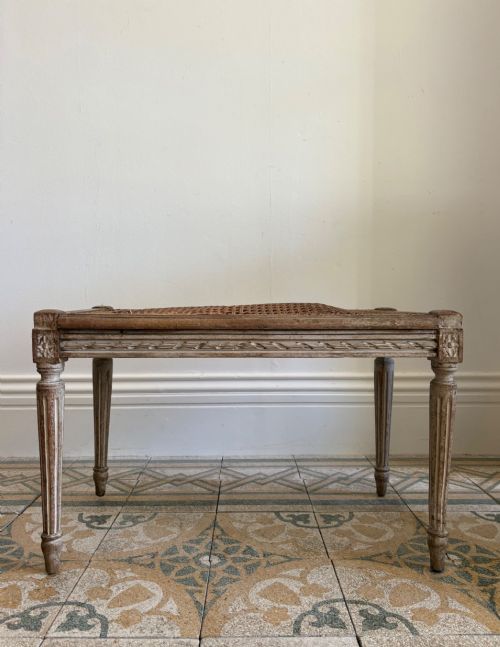
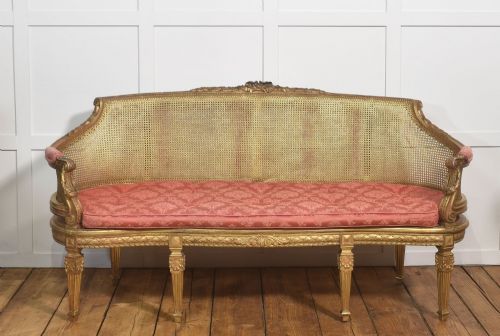
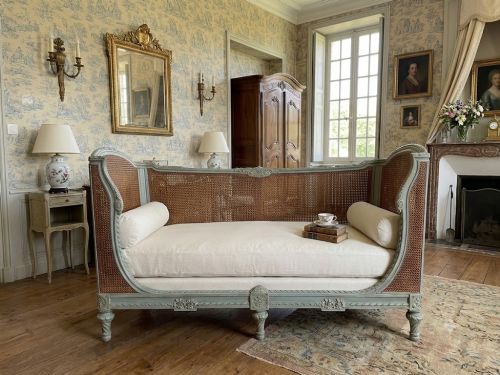
You will most frequently encounter French revival styles, particularly Louis XVI style painted and gilded frames alongside nineteenth-century daybeds and compact window seats. The forms range from long, slender settees and day beds to small stools and footstools fitted with caned surfaces.
How they were made
Frames are constructed from solid hardwoods and softwoods including beech, walnut, mahogany, oak, and painted wood, joined using traditional cabinet-making methods. Many pieces feature carved detailing, ebonised finishes, or applied giltwood highlights.
The seating panels utilise natural cane, woven tightly through holes pierced in the wooden frame or set into recessed channels. Additional materials like brass fittings and fabric upholstery occasionally complement the primary timber and cane structure.
Vintage Cane Bench Retail Price Guide 2026
Typical asking prices for vintage cane bench among the pieces listed under this phrase on Sellingantiques today, from the lower quarter to the upper quarter. They describe what is for sale here now, not the wider market.
The documented pieces span the nineteenth century through the nineteen-twenties, incorporating French styles alongside Anglo-Indian designs.
What varies in quality
The refinement of the wood carving and the crispness of the painted or gilded surfaces determine the distinction between ordinary and exceptional examples. Finer pieces display deeply hand-carved motifs and balanced proportions that reflect sophisticated cabinet-making traditions.
The tightness, regularity, and integrity of the cane weave separate superior seating from simpler utility pieces. Original woven panels that remain intact without breakage indicate careful preservation and high-grade initial manufacture.
Thonet
The Vintage Cane Bench Glossary
- Cane
- Strips of material derived from the outer bark of the rattan palm, used for weaving seats and back panels. It provides a strong, flexible, and breathable surface.
- Daybed
- A long seat designed for reclining, functioning as both a chair and a bed. These often incorporate supportive cane backrests and scrolled ends.
- Canapé
- A French term for an upholstered sofa or settee, frequently built in carved revival styles with cane panels. They appear commonly in eighteenth-century revival designs.
- Bergère
- An enclosed armchair or sofa with upholstered sides and a cane or padded back. The wooden frame is often painted or polished.
Vintage Cane Bench: Frequently Asked Questions
How do I clean a cane seat?
Wipe the cane gently using a damp cloth without soaking the wood fibres. Keeping the material lightly hydrated prevents it from becoming brittle.
Allow the weave to dry naturally in a well-ventilated room away from direct heat sources.
Where should I place a daybed?
Position the piece against a living room wall or beneath a large window to showcase the woven back panel. They function effectively as alternative seating in bedrooms or studies.
Avoid placing them in areas subject to extreme humidity or direct sunlight to protect the timber and cane.
Are these seats comfortable?
The woven cane yields slightly to body weight, offering a flexible and supportive surface. Many forms are designed for lounging rather than upright dining.
Adding loose cushions or squabs can increase comfort for prolonged sitting.